
Tropical Health

  • Wellness
  • Remedies
  • Recipes

Staggering Statistics Point to Stress as a Major Health Wrecker

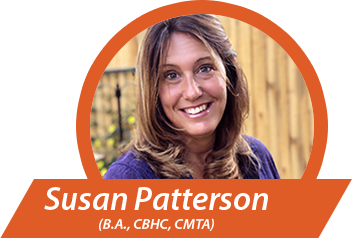
July 30, 2017 By Susan Patterson

Your heart is pounding like it is going to jump out of your chest, you are sweaty and feeling kind of numb and strange. Perhaps you are being chased by an angry bear protecting her cubs or maybe you are just at the end of a very crazy, very stressed week.

I would say that your body is having a proper and useful response if you are indeed being chased by a bear. Under such stressful situations, the body has an amazing ability to launch into something known as a “fight or flight” response.  Your brain stimulates your autonomic nervous system and triggers a hormonal response. Two stress hormones, cortisol, and adrenaline are released. These hormones can help you escape your close encounter with mama bear but when we are exposed to chronic stress overstimulation of the nervous system occurs and this can have a devastating impact on your health.

Did you know that over 60 percent of all illness and disease is stress related – and therefore, preventable? Three out of every four doctor’s visits have something to do with chronic stress. Stress increases the risk of heart disease by 40 percent, heart disease by 25 percent and stroke by 50 percent. With these staggering truths, it makes getting a handle on chronic stress critical.

How do you know if you are stressed?

The human body is very good at giving signs that it is having trouble “keeping up” with the pace of your life. It is important to not brush these signs, no matter how subtle, away. Here are some things to be aware of:

  • Headaches
  • Dry skin
  • Strange dreams
  • Weight gain or inability to lose weight
  • Hair loss
  • Lowered immunity – you get sick a lot
  • Breakouts
  • Insomnia

When stress becomes part of your life and doesn’t leave you may also start to do the following:

  • Retreat from social functions
  • Feel depressed
  • Feel alone
  • Feel out of control
  • Avoid dealing with difficult personal situations
  • Lose your sense of humor

We live in a go-go culture

Our culture promotes and encourages high achievement and that is often marked by doing really well in your job or being a supermom or dad. When societal pressures collide with high standards of living and personal achieving, things can go very wrong.

What can I do about stress?

Here are a few things that have worked for me when it comes to stress management. I suggest that you experiment to find what works best for you. Remember, the key to minimizing the devastating impact of stress on your health and life is to acknowledge it exists in the first place!

Identify priorities and set boundaries – For me, stress begins a lot of the time and builds up because I don’t do well at setting boundaries. I have a hard time saying NO. If this sounds like you, it is time to learn that saying no is something the best option. Help those that you can, but never forget to help yourself!

Breathe – Many people breathe far too shallow. Take five minutes to breathe deeply, from your belly. In through the nose and out through the mouth. Breathing like this will relax your mind and body. Do this several times a day.

Take a break from electronics – We are constantly plugged in and it is very healthy to unplug from time to time. Take at least thirty minutes a day to stop texting, chatting, checking emails and scrolling through your feeds. Your mind and body will thank you.

Eat more garlic – The main ingredient in garlic, when digested, triggers your blood vessels to relax. Garlic is very good for your heart and your brain.

Exercise – Moderate exercise daily such as walking is a great way to manage stress. Take time daily to get outdoors, get a healthy dose of sunshine and nature and just enjoy time breathing fresh air.

Journal or draw – Unloading your thoughts on paper either in print or image form helps your mind and body relax. Get out that paper and pen and give it a try.

-Susan Patterson


Best Things You Can Do to Sleep Better

July 25, 2017 By Susan Patterson

We all have trouble sleeping from time to time. The National Sleep Foundation reports that forty-five percent of Americans report that poor or lack of sleep interferes with their daily activities. Many illnesses are precipitated by a lack of sleep as well. Sleep is necessary not only for physical health but also for mental health.

I myself have had difficulties sleeping from time to time. Even though I might fall asleep at a good time, I would wake up and toss and turn for several hours before finally falling back to sleep. When this little no-sleep issue going on I was groggy during the day and unable to catch up on my sleep due to my busy work schedule.

What worked for me

What I did find was that there were several home-remedy type things that helped me get back on a regular sleep schedule. These are easy things that I have picked up through the years and stored in my memory bank. If you have a difficult time sleeping, try some of these remedies and perhaps you will be snoozing before long.

Get a good mattress

I put getting a new mattress off for many years mostly because I didn’t want to spend the money. What I didn’t realize was that a high-quality mattress is essential to a restful night’s sleep. Because your body changes as you age, it is imperative to get a new mattress about every seven years or so. As your mattress ages, it is not able to provide the support that you need to sleep well. Pillows also need to be replaced at least once a year in order to provide proper support for your neck and spine. Take your time to shop around for a good mattress, be picky and don’t skimp. About two weeks after I purchased my new mattress I was able to sleep the entire night through without any issues at all.

Create an oasis in your bedroom

Making your room a calm and relaxing space will help you fall asleep quicker. You want your room to be cool and dark, quiet and cozy. For me, this meant, taking my desk out of my room, replacing it with a table full of plants and candles. I put new blinds on my windows that would keep my room dark. I changed the color of my wall to a calming sage green and purchased an essential oil diffuser as well. Do what you need to in order to create a relaxing space that bids you come and fall asleep, It is also a good idea to keep your space cooler than the rest of the house. I like to leave a window open and keep my ceiling fan running even in the winter.

Process thoughts before you go to bed

One of the issues I had with getting to sleep on time at night was the fact that I taking the time to run over all kinds of thoughts in my mind. It seemed that one thought would just lead into another and so 0n and so on…. To alleviate all those random thoughts in your brain try writing them down. When I got back to journaling it was amazing how much lighter my brain felt. You could also try recording your thoughts, that works as well. According to Michael A. Grandner, Ph.D., an instructor of psychiatry at the Behavioral Sleep Medicine program at the University 0f Pennsylvania,

“A better approach would be [to] take some time in the evening to work through the day, make lists to do tomorrow and clear your mental desktop of the stuff that you still have to think about.”

More Tips for Sleeping Better

  • Try yoga
  • Take a bath with lavender oil and Epsom salts
  • Keep your work out of your bed – no computers or phones
  • Don’t eat a heavy meal within 3 hours of bedtime
  • Exercise regularly but not too close to bedtime
  • Keep to a regular sleep and waking time
  • Wear socks to bed

Try this delicious bedtime elixir

I discovered this delicious and healthy bedtime elixir that helps me wind down before hitting the hay… give it a try. It features two of my favorite foods, apple cider vinegar, and raw honey. Honey has long been thought of as a natural remedy for insomnia. Dr. Li Shizen named honey’s ability to help with sleep as one of its five potent health properties. Honey causes a rise in insulin, which releases serotonin, a neurotransmitter that helps improve mood. In the body, serotonin is converted into melatonin, a chemical compound that regulates the length and quality of sleep. Because honey causes insulin to rise slower than sugar it is great insomnia buster. Apple cider vinegar helps to regulate digestion and break down fatty acids, and release tryptophan, that converts into serotonin.

To make: Combine 2 teaspoons of raw apple cider vinegar, 1 tablespoon of raw honey in 8 ounces of warm water and enjoy!


– Susan Patterson


What’s the Scoop on Coconut Oil? ( is it good or bad?)

July 12, 2017 By Susan Patterson

If you have been plugged into the news lately it is likely that you have seen screaming headlines stating that coconut oil is worse than lard for you. Perhaps you have been an avid fan of this tropical fat and now you are concerned that it might actually not be good for you.

Claims about coconut oil being bad for you began to percolate shortly after the release of a new review paper published by the American Heart Association (AHA) which was regarding dietary fats and heart disease.  Here are just some of the headlines that came out after the report was published:

  • “Coconut oil isn’t as good for you as you might think.”
  • “Coconut oil isn’t healthy. It’s never been healthy.”
  •  Coconut oil is “as unhealthy as beef fat and butter.”

All of these statements are pretty strong and clearly seem to make a connection between coconut oil and poor health.  The problem is, coconut oil is more complex than researchers are giving it credit for and it is important to unpack the whole truth before passing judgment on this tropical oil.

What is the truth about coconut oil and cholesterol

The American Heart Association makes a link between coconut oil and an increase in (LDL) cholesterol. However, it completely fails to mention the fact that coconut oil actually increases (HDL) cholesterol. The truth is Brazilian researchers found that adding extra-virgin coconut oil into the diet actually gives HDL a bump and helps heart disease patients lose excess body mass which helps protect the heart.

While it is true that coconut oil may increase HDL cholesterol slightly, an interesting study found that it is actually low cholesterol, not high that increases a person’s risk of dying early. There seems to be some consderable misunderstanding here.

What really is at the root of most disease?

If we shift our focus away from cholesterol to inflammation and oxidation as being the number one precursor to a host of diseases including heart disease, we see coconut oil come out like a shining star. When inflammation is present, the body starts to produce cholesterol as a healing agent. Our arteries are like the pipes under your house. If a pipe is damaged and starts to leak, you will need to go and patch it up. This is what cholesterol does – it is like a patch for a damaged spot in an artery. So, you see, if we can reduce and eliminate inflammation – there will be no need for the cholesterol to rise. Cholesterol is merely a byproduct of an inflammatory lifestyle.

Interestingly enough, coconut oil is loaded with anti-inflammatory properties that help the body stay balanced and disease free. In fact, one study in the Pacific Islands showed that the islanders who consumed up to 63 percent of their calories from coconut fat were virtually stroke and heart disease free. They also had only a slight rise in total cholesterol but more importantly a rise in HDL.

More truth: Coconut oil also lowers insulin levels which protect against heart disease. The main fatty acid in coconut oil is lauric acid, which has antimicrobial, antibacterial and antiviral benefits.

The biggest mistake of all

By far one of the biggest mistakes that the American Heart Association made in their report was to suggest some very damaging oils as replacement oils for coconut oil. They suggest eating more corn and soy. One big issue here is that 90% of these crops are genetically modified. Nrweigain researchers have found that soy from America contains an “extreme” level of glyphosate, the main ingredient ins the herbicide Roundup.

Also, a study published in the British Medical Journal studied the impact of taking saturated fats out of the diet and replacing them with vegetable oils. Participants consumed more corn oil land margarine during the study period and it was found that this actually increased their risk of coronary heart disease and death from all causes.

Corn and soy along with other vegetable oils are loaded with omega 6-fatty acids. The standard American diet is far too heavy in these fatty acids and far too light on omega 3-fatty acids.  For example – corn oil’s omega-6 to omega-3 ratio is 49:1. Research has shown that an omega-6 heavy diet can increase the risk of breast cancer in postmenopausal women and prostate cancer in men.

Faulty dietary guidelines are not new

In the past, the AHA has not exactly hit a home run when it comes to sound dietary guidelines. Remember when they told us that we should eat low-fat processed foods that are loaded with sugar? What about when we were told that all red meat was bad without making a distinction between farm raised meat and grass fed? Remember in the 80’s when all fat was called bad. I stopped eating fat for a while only to discover my nails breaking, my hair falling out, my skin becoming super dry and being so tired I could hardly get out of bed. You may have had a similar experience with this so-called researched dietary guideline.

More helpful information

When making a determination about whether or not to consume coconut oil as opposed to vegetable oil, keep the following in mind:

  • We need saturated fat. Over 50% of our the cell membrane is comprised of saturated fatty acids. Saturated fat is necessary for a strong immune system and to protect the liver from toxins.
  • Cholesterol is necessary for such things a brain health.
  • If you want to reduce your risk of heart disease you should limit your intake of refined carbohydrates, hydrogenated oil, sugar and processed food.
  • To protect your heart, use more herbs in cooking, eat bitter greens and be sure that you are getting healthy omega-3 fatty acids from grass fed meats or fish.

Bottom line: The AHA study is particularly nearsighted with regards to coconut oil and heart disease.  It appears as though there is still some confusion as to what the real cause of heart disease really is.

Hint... it is not caused by the saturated fat found in coconut oil!

We also need to remember that not everyone’s nutritional requirements are the same. Some do exceptionally well on coconut oil and others may not have the same experience. It is important to know your body and know what it needs to be healthy. When you take this personalized approach to health you will do best!

-Susan Patterson

Tips for a Better Night’s Sleep

July 5, 2017 By Susan Patterson

Millions of Americans struggle to fall asleep each night. Are you one of those who tosses and turns? Perhaps you even take over the counter or prescription medicine to help you sleep. These drugs, over time, actually stop working and you have to take more and more – besides the fact that they don’t address the main contributing factor as to why you can’t actually sleep. Sleep is integral to overall health and wellenss, just as important as eating right, managing stress and exercising.

Let’s explore two of the reasons why you may not be getting at least 7-8 hours of sleep each night.

Your mind is racing – If you are like me, bedtime is one of the only times that you are not in motion and your brain continues to run on high even after you lie down. I am always thinking about what I need to do tomorrow, what I didn’t get done today – etc…. and this keeps me up. I used to be able to go to bed at a decent time anticipating a great night’s sleep only to find myself still lying there awake 3 hours later. If this sounds like you – here are a few tips to help you wind down:

  • Shut down the electronics – Put away all electronics at least 1 hour before bed – that means turn off your phone and computer – in fact, don’t even have them turned on in your bedroom. I now put my phone on my dresser where I can’t reach it – I could hear if someone called but I am less likely to want to check emails or search the web in the wee hours of the night.
  • Enjoy some quiet time before bed – A nice cup of chamomile tea, some quiet music – set the mood so to speak – you could even have a warm bath with lavender oil and Epsom salts to relax your mind and body.
  • Keep a journal – Getting rid of all those thoughts in your head help you to go to bed relaxed

You are in perimenopause or menopause – this is a hard time for women, trust me I know. As your hormones change sleep become very difficult. You may fall asleep but wake up several times in the night with hot flashes. Try this if the change of life is keeping you up at night:

  • Be sure that you are getting enough exercise – at least twenty minutes per day of activity – walk a lot – take time to stretch – the body is designed to be in motion and this will help you sleep – just be sure not to exercise up to 2 hours before bed – morning is best
  • Slow up on the caffeine – not only will it keep you up but it can also trigger hot flashed – try switching to herbal tea – whatever you do – do not consume coffee five hours before bed – even decaf.
  • Make sure that your bedroom is cool – In the winter, always leave a window cracked. In the summer, set your thermostat to a lower temp than normal. There is even a bed fan that you can purchase that connects to the bottom of the bed to keep you cool under the sheets – be sure to wear comfortable pajamas that breathe
  • Take a cool shower before bed – This reduces body temperature in preparation for sleep.
  • Relax – It is imperative that you wind down before bed. Carve out some alone time to reflect and meditate. You may even want to set up a special quiet space reserved for times when you need to deflate.
  • Stay on a schedule – Get up and go to bed at the same time each night and morning.
  • Watch your diet – Eat healthily and drink plenty of water
  • Switch to organic cotton bedding – You will be amazed at what a difference organic bedding can make to your sleep.

How Honey Can Help You Sleep

Raw honey is loaded with fructose and glucose. While glucose provides short bursts of energy, fructose takes longer to breakdown and is stored in the liver as glycogen.  While you are sleeping, your brain keeps on working and needs the energy to perform all of its tasks. Stable glucose levels are important while you sleep and raw honey provides just the fuel necessary to keep everything balanced. Your brain will actually feed off of the liver glycogen at night.

Giving your brain the fuel it needs will allow you to fall asleep quicker and stay asleep longer. As a bonus, you will wake up less hungry when you feed your brain in the evening.

How to use honey for fuel

First and foremost, it is essential that you use only raw, unpasteurized honey for your pre-bedtime snack. It is actually preferable that you find local honey. To use honey as a sleep aid simply consume 1 teaspoon of raw, unpasteurized honey about 30 minutes before you go to bed. Try this for about a week to see if it is helping. If not, increase your dose to two teaspoons and so on up to a tablespoon.

Honey works best as a sleep aid when you are consuming a diet rich in organic vegetables, healthy fats, and protein. Ditch the fast and greasy food and replace it with wholesome goodness if you really want to enjoy the best sleep possible. Don’t eat within a few hours of bedtime, this can also disrupt your sleep cycle.

Sweet Dreams!

-Susan Patterson

Why You Need to Drink This Ancient Elixir

July 3, 2017 By Susan Patterson

You may have seen it in your local health food or specialty store. It’s that interesting tea-like beverage sprouting a mushroom-like topping with various bits of floating debris swirling throughout.

Don’t be turned off by its appearance. Kombucha tea is a millennia-old drink that the Ancient Chinese referred to as the “immortal health elixir.” The popular drink was renowned for its ability to ward off cancers and various health conditions and was also used as a cure for many of the top illnesses of the day.

During the first half of the 20th century, Russians and Germans attributed the practically cancer-free areas of their countries to kombucha, as the areas where the beverage was regularly consumed most boasted the most vibrant health. Research into what made kombucha so special was explored in depth but halted as the first World War brewed and scientists’ attentions were placed elsewhere. Kombucha was introduced to America during the 1990s and has since become a popular drink among health-conscious individuals.

Kombucha is nothing more than a fermented tea. It is a combination of bacteria, yeast, sugar and green or black tea. The bacteria and yeast from a SCOBY, or symbiotic colony of bacteria and yeast. The tea is allowed to ferment for seven to ten days in a glass jar, resulting in a mushroom-like blob floating on the surface.

The taste of raw kombucha is unique, to say the least. It is often described as earthy, somewhat tart with a hint of vinegar overtones. Often juices or sweeteners are added to lessen the pungency.

Though an acquired taste, kombucha is chock full of health benefits. The Ancient Chinese claimed it warded off illnesses of all sorts and multiple Asian cultures continue to drink it regularly today.

Americans are catching on to kombucha’s numerous health benefits, and more stores are lining their shelves with various brands of the fermented tea, and with good reason. Kombucha is an excellent source of many naturally occurring antioxidants and enzymes. An Indian study found that oral consumption of kombucha tea provided potent antioxidant and immune-boosting properties and helped protect DNA from damage.

Because kombucha is fermented, it is excellent for improving the landscape of intestinal flora. Much of our health relies solely on these important microbes that make up our microbiome. Our immune system resides in our intestinal tract, and an imbalance or lack of these microbes can result in decreased immunity and increased instances of illness, inflammation and chronic conditions.

The tea can also be considered an anti-cancer drink as it is very high in glucaric acid. Research has shown that this unique compound provides numerous anti-cancer benefits. Coupled with the detoxifying power of several key enzymes and beneficial bacteria, it is no wonder areas where kombucha is consumed regularly enjoy fewer instances of cancer.

Kombucha is also an excellent source of several B vitamins. These important nutrients play key roles in the body’s numerous metabolic functions and aid in maintaining strong hair, skin, and nails.

When purchasing kombucha, avoid brands that contain high amounts of sugar or added sweeteners, as these counteract the benefits of the tea. Opt instead for added herbs or spices. These enhance the flavor and contribute antioxidant properties.

-Susan Patterson

Healthy No-Bake Chocolate Treats to Enjoy and Share

June 26, 2017 By Susan Patterson

Enjoy these delicious sweet treats without the guilt. These recipes are naturally sweetened and gluten free. Great for those days when you just need something chocolate!!

No-Bake Chocolate-Dipped Almond Macaroons

  • 2       cups unsweetened shredded coconut
  • 2       tbsp coconut flour
  • ¼     cup extra-virgin coconut oil
  • ¼     cup raw honey (or pure maple syrup)
  • 1       tsp pure vanilla extract
  • ⅛     tsp sea salt

Chocolate coating

  • 10     oz unsweetened organic chocolate
  • 1       tbsp extra-virgin coconut oil
  • ½     cup raw honey (or pure maple syrup)
  • ½     tsp pure vanilla extract
  • ⅓     cup toasted almonds slices

Instructions

  1. In a medium-sized mixing bowl, combine the shredded coconut, coconut flour, and salt. Add the coconut oil, honey, and vanilla and combine well. Place the coconut mixture in the freezer and allow to firm for 5 minutes.
  2. Place a double boiler on the stove. Melt the chocolate together with the coconut oil, about 4 minutes. Whisk in the honey and vanilla.
  3. Add parchment paper to a baking sheet. Roll 1 tablespoon of the macaroon mixture into a ball and dip half into the dark chocolate mixture. Place on the parchment paper. Once all the macaroons are coated, drizzle chocolate over each. Add a few sliced almonds over each macaroon. Place the baking sheet in the freezer for 45 minutes to set. Store covered in the refrigerator.

Chocolate Truffles

  • 2       cups blanched almonds
  • ¼     cup cocoa powder
  • ¼     tsp sea salt
  • 12     Medjool dates, soaked for 15 minutes in warm water
  • 4–6    tbsp unsweetened coconut cream

Coating

  • ¼     cup unsweetened shredded coconut
  • ¼     cup ground almonds
  • ¼     cup cocoa powder

Instructions

  1. Process almonds, cocoa powder, and salt in a food processor or high-speed blender until finely ground. Add the dates and pulse until combined. Add the coconut cream and pulse until the mixture starts to form a thick batter.
  2. Using a small cookie scoop, drop the truffle mixture onto a parchment-lined baking sheet and freeze for 30 minutes. Remove from freezer and roll into round balls.
  3. Divide rolled truffles into thirds and roll one batch in cocoa powder, one batch in shredded coconut, and the other batch in ground almonds. Store the truffles in a tightly sealed container in the refrigerator for up to one week. Serve at room temperature.

No-Bake Millionaire’s Bars

Shortbread base

  • 1       cup coconut flour
  • ½      cup maple syrup
  • ½      cup extra-virgin coconut oil

Caramel layer

  • ¼      cup pure maple syrup
  • ¼      cup extra-virgin coconut oil
  • ¼      cup almond butter (or peanut butter)
  • 1       tsp vanilla extract
  • ⅛     tsp sea salt

Top chocolate layer

  • ½      cup extra-virgin coconut oil
  • ½      cup cocoa powder
  • 4       tbsp pure maple syrup
  • 1       tsp vanilla extract
  • ⅛     tsp sea salt

Instructions

  1. Shortbread base: In a small bowl, blend the coconut flour, maple syrup, coconut oil, and vanilla. Cut a piece of plastic wrap and line an 8×8-inch baking pan. Press the dough into the baking pan and set aside.
  2. Caramel layer: Place a small saucepan on the stove and turn the heat onto medium-low. Add the maple syrup, coconut oil, almond butter, and vanilla. Stir continually to combine and prevent from burning about two minutes. Allow the caramel to cool slightly, and then pour over the shortbread layer. Cover with plastic wrap and refrigerate for one hour until the caramel sets.
  3. Chocolate layer: Melt the coconut oil in a small saucepan. Add the maple syrup, cocoa, vanilla and salt, and stir to combine. Spread the chocolate on the firm caramel and cover. Refrigerate for one hour until firm. Cut into squares.

These treats are great for sharing — give and enjoy!

-Susan Patterson

9 Reasons To Eat More Pineapple

June 24, 2017 By Susan Patterson

Not only are pineapples delicious, they are also good for you, really good for you. Known as ‘Ananas comusus’ because it resembles a pine cone, the pineapple is not really one fruit but rather a group of individual berries attached to a center stalk. Each fruit has a noticeable ‘eye’ on the surface of the pineapple. The leaves are part of the stalk and the base area is where the sweetest part of the fruit can be found.

This pretty tropical delight has a tough outer shell but is loaded with sweet natural goodness and a multitude of health benefits.

Pineapples can make your skin radiant, ease digestive issue, help boost your immune system to fight off colds and reduce inflammation.

Here are 9 reasons to enjoy pineapple often:

Eye health – Pineapple is an amazing source of vitamin C, minerals, antioxidants and minerals including potassium and manganese. It helps protect against cell damage and helps to reduce the risk of macular degeneration. Pineapple also contains beta carotene which is essential for eye health.

Blood pressure – One cup of pineapple contains 1mg sodium and 195 mug of potassium, which is essential to lowering blood pressure.

Fertility – Powerful antioxidants in pineapple including vitamin C, beta-carotene, zinc, and folate can help improve both female and male fertility.

Skin – Vitamin C is essential for healthy and radiant skin as it helps with collagen production.

Bones – Pineapple has a healthy dose of manganese which is essential to a healthy bone structure, bone metabolism and creation of enzymes necessary for building bones.

Joint pain – Pineapple contains powerful anti-inflammatory properties that can ease pain associated with conditions such as arthritis.  Studies show that bromelain, an enzyme found in pineapple can reduce swelling, bruising, pain and healing time associated with an injury or surgery.

Click Here to Discover How This Part of a Pineapple KILLS Inflammation

Blood clots – If you have suffered from blood clots before or fly frequently, the bromelain in pineapple will help protect you from clot generation.

Weight loss – Although pineapple contains sugar, it is a great go-to snack for those watching their weight. There is ample soluble fiber that helps create a delayed digestive response, which in turn controls hunger pangs and boosts metabolism.

Constipation – Fiber in pineapple helps to facilitate digestion and stool formation and rapid movement through the digestive tract.

How to enjoy more pineapple

Here are some great ways to enjoy more pineapple and all of its amazing health benefits:

Pineapple Banana Smoothie

  • ¼ fresh pineapple
  • 1 large frozen banana
  • 1 cup pure orange juice
  • ½ cup coconut milk

Add all ingredients to a blender and blend well.  Enjoy immediately!

Pineapple and Mint Oatmeal

  • 1 serving old fashioned rolled oats
  • ½ cup pineapple, cubed
  • 1 tablespoon fresh mint leaves
  • 1 teaspoon cinnamon  and coconut sugar
  • 2 tablespoons coconut milk

Prepare the oatmeal according to directions. Top with the pineapple, mint, milk and cinnamon and sugar.


Tropical Cooler

  • 3 cups fresh pineapple juice
  • 2 cups coconut water
  • ½ cup fresh lime juice
  • 2 cups sparkling water
  • Pineapple spears

Combine all ingredients except the sparkling water in a large pitcher and chill for at least an hour. Add sparkling water just before serving and garnish with a pineapple spear.

Click Here to Discover How This Part of a Pineapple KILLS Inflammation

— Susan Patterson

7 Yummy Snacks to Keep You Healthy at Work

June 20, 2017 By Susan Patterson

One of the most difficult challenges regarding staying healthy is how to stay on track at work. Since the majority of people spend at least six hours a day at work, it is essential to formulate a gameplan that will support a healthy lifestyle. It is far too easy to fall into the trap of raiding the vending machine, the candy jar or sneaking out for a quick cup of coffee and a muffin, all of which will sabotage your healthy lifestyle over time. When we reach for sugar-laden or snacks high in carbohydrates, we cause a spike in our blood sugar which feels good at first but quickly causes a crash leaving us tired, hungry, irritable and distracted. Of course, none of these is a good thing – especially when we are at work and trying to focus.

So what is the answer? One way to stay healthy at work is to be sure that you stock your desk drawer or briefcase with healthy snacks. Having some snacks easily accessible will provide a buffer to keep you from straying in an unhealthy direction when the munchies hit.

Here are some suggestions for nutritious snacks to keep you satisfied and alert throughout your day!

Popcorn: Popcorn is easy to make ahead of time and take to work. Low in calorie and high in fiber, popcorn is a great snack to munch on. The best way to make popcorn is on the stove, the good ol’ fashioned way, using coconut oil and sea salt. For an added boost, add some nutritional yeast and turmeric. Make a big batch at the beginning of the week and keep it in a sealed bag for easy access.

Roasted chickpeas: Munching on seasoned, roasted chickpeas is a great way to ward off those mid-day hunger pangs. Chickpeas are high in fiber and protein. Their soluble fiber absorbs water and helps keep you feeling satisfied and full. To make this delicious and nutritious snack, drain, rinse and dry the chickpeas and toss them with some olive oil, garlic, sea salt and cayenne pepper. Roast in the oven set at 450 degrees F for about 40 minutes or until they become crunchy. These also make a delicious salad topping.

Almonds: Not only will almonds keep for a very long time in your desk drawer, but they are loaded with nutritional value. They contain nine essential nutrients and have the highest amount of protein and fiber of any nut. Also, they contain vitamin E and healthy monosaturated fat.

Mixed berries: To satisfy your sweet tooth, try eating a bowl of mixed berries. Berries will help you stay alert and focused. Top your berries with some chia seeds and Greek yogurt for a healthy blast. Chia seeds are loaded with antioxidants, fiber, protein, and omega 3 fatty acids that help regulate blood sugar and keep you full.

Kombucha: Keep your gut bacteria healthy by drinking a bottle of Kombucha. This fermented beverage contains vinegar, b-vitamins, enzymes, and probiotics. This drink is a great pick-me-up midday and will help increase your energy, aid in weight loss, improve digestion, reduce joint pain and support your immune system.

Carrot and celery sticks: Getting your “crunch on” with carrot and celery sticks will keep you occupied while providing a healthy dose of vitamins and minerals. You whip up a batch of homemade yogurt ranch to go along with these for added flavor.

Seaweed snacks: They may not sound overly appetizing but roasted seaweed snacks are comprised mostly of soluble fiber that slows the digestive process and helps to keep you full. In addition, this low-calorie snack is loaded with omega 3 fatty acids, is known for its mood-boosting properties, is great for your heart and loaded with vitamins. Make your own roasted seaweed chips; it’s easy:

Ingredients

  • 12 nori sheets
  • 1/4 cup water
  • 1 tablespoon sesame oil
  • 1 tablespoon minced garlic
  • Pinch cayenne pepper
  • Sea salt
  • Sesame seeds


Instructions

  1. Preheat oven to 275 degrees F. Line two large baking sheets with foil.
  2. Place six sheets of nori, with the shiny side up, on the foil.
  3. Brush the shiny side with water and align another nori sheet on top of each of the six.
  4. Cut nori into one-inch strips and cut these in half crosswise.
  5. Arrange the chips in a single layer on a baking sheet.
  6. Mix garlic, sesame oil and cayenne in a bowl.
  7. Brush some of the mixture on top of chips and sprinkle with salt
  8. Sprink the top of each chpw ith a little salt and seasame seeds.
  9. Bake on middle rack in oven for 20 minutes.

Just say no

So, the next time that bowl of candy on your colleagues desk calls your name, just say no! Open up your desk drawer and reach for a healthy snack instead. Your body will thank you!


-Susan Patterson

Foods That Balance Blood Sugar And Promote Weight Loss

June 15, 2017 By Susan Patterson

Type 2 diabetes is the most common type of diabetes impacting over 27 million Americans and is one of the fastest growing health conditions in our country. According to a study published in the Lancet Diabetes and Endocrinology, type 2 diabetes accounts for 90%-95%of all diabetes cases in America. With these startling statistics, it would behoove us to ask why this condition is so prevalent. The number one risk factor for developing type 2 diabetes is obesity. It is not surprising that the number of overweight and obese people in this country is skyrocketing. The Centers for Disease Control report that more than one-third of adults are obese.

Maintaining a healthy weight is one of the best ways to keep from developing diabetes along with a host of other conditions including hypertension, heart disease, and cancer.

Understanding blood sugar 

Once you have finished eating a meal, the sugars contained in the food enter the bloodstream and raise the sugar levels. In response, the pancreas produces insulin which lowers the blood sugar levels so that the cells can take up sugar for energy.Waiting too long to eat or eating a diet laden with unhealthy foods will cause blood sugar to fall too low. In an effort to maintain balance, the body produces the stress hormones adrenaline and cortisol. Eating healthy foods that will help your blood sugar stabilize is a good thing at this point. However, if you continue to eat poorly or skip meals, the stress hormones will hang out and cause chaos. Cortisol will signal your body to hang on to fat, especially around the midsection.

What is insulin resistance?

Eventually,  the cells in muscles, liver, and fat no longer respond to insulin and the sugar builds up in the blood, leading to insulin resistance, diabetes and a number of scary medical conditions.

Get control and keep control

Controlling blood sugar is a key to maintaining a healthy weight and keeping type 2 diabetes from developing. Many popular food items cause blood sugar spikes and promote overeating and fat storage. These foods include fatty foods, foods that contain artificial sweeteners, foods that contain wheat and sugar. Controlling blood sugar will keep your appetite from going crazy and allow your body to use calories efficiently for energy.

Signs that your blood sugar is out of whack

Because the human body is all about balance, it will give us signs when something is not right. The key is to understand your body well enough to know the signs and make the necessary changes to bring the body back into balance. Here are some signs that your body might give you when your blood sugar is not where it should be.

  • It is hard for you to lose weight
  • Your waist is bigger than your hips
  • You crave sweet food
  • You are irritable if you miss a meal
  • You cry or get anxious for no reason
  • You wake up a lot at night
  • You feel “out of it”
  • You are hungry all the time
  • You get really sleepy in the afternoon

Foods that help you balance your blood sugar

There are a number of foods that you can eat to help keep your blood sugar from flying off the rails. Including these foods in your diet will give you energy and stave off cravings for unhealthy foods.

  • Greens – Nutrient dense greens such as kale, broccoli, and spinach are full of fiber and calcium. Eating some greens with every meal will keep your blood sugar on track.
  • Healthy protein  – Wild caught fish, free-range eggs, and free-range beef are excellent sources of blood sugar-stabilizing protein. Aim for 4 to 6 ounces twice a day for best results.
  • Gluten-free grains – Protein-rich, gluten-free grains including quinoa and millet will give you plenty of energy throughout the day without spiking your blood sugar.
  • Nuts – Nuts are loaded with healthy fat that keeps you from binging on unhealthy foods. They also contain fiber and protein, which will help your body maintain blood sugar stability.
  • Beans – Lentils and garbanzo beans are especially helpful when it comes to blood sugar management. They are high in fiber and protein and low in fat. Remember to soak dry beans overnight before eating to ease digestion.

Apple cider vinegar and blood sugar

Research shows that consuming apple cider vinegar before meals and before bedtime will help keep levels of sugar in the blood even as it increases insulin’s sensitivity. Of course, this is something you can do in addition to eating a healthy diet. Take one tablespoon of apple cider vinegar mixed with warm water three times a day. To sweeten you can add a little raw, organic honey or some stevia drops.

Other things you can do

In addition to eating a healthy diet, be sure that you are drinking enough water daily, exercising at least twenty minutes a day, sleeping at least 7 hours a night and managing the stress in your life. Paying particular attention to these things will help your body keep blood sugar in check.

-Susan Patterson


The #1 Thing You Must Do To Be Truly Happy

June 13, 2017 By Susan Patterson

Shh.. don’t’ tell anyone but I am going to give you the secret to happiness!

Here it is. To be forever happy all you have to do is eliminate all insecurity, all fears of failure, all negative thinking, uncertainty and sadness from your life. In short, to arrive at a place of constant happiness all you have to do is learn to live a completely inhuman life.

A casual stroll through your local bookstore says it all. Don’t worry, be happy… this is the thing so many strive for, yet, hopelessly never achieve. Despite major advances in technology, our collective mood seems desperately paralyzed in a place of solemness. Even higher education and an increased choice of consumer products seem to do very little to propel us towards happiness. Yet, the pursuit of happiness is a billion dollar industry.

Motivational speakers abound in our country, packing auditoriums with the “good news.” All you need to do is learn how to replace negativity with positivity and you are well on your way to happiness. Tape a few affirmations to your bathroom mirror and your day is bound to go smooth as silk. Have you ever tried this? I have, and guess what? It didn’t work. In fact, in all my efforts to banish negativity from my life and fill my thoughts with all things positive, I have become exhausted and frustrated… generally more unhappy than I was when I began the pursuit of happiness.

Forced positivity is a train wreck waiting to happen

So, why does positive thinking not work? The simple answer it is that life throws us all kind of curves, some are joyful and some are hard, very hard. If we don’t ever learn how to navigate the rough waters of life, learn how to enjoy insecurity, embrace uncertainty and become familiar with failure… we will never be happy. Fake or forced positivity is nothing short of a train wreck.

If we don’t learn how to be content, dare I say, even “happy,” in all things, we go through life unprepared for what will undoubtedly come before us at some point or another. Happiness must be an undercurrent, a constant, a no matter what.

Learn from troubles

We all go through difficult patches in life, this is to be expected. The key to staying happy in all things is to remember that there is something to be learned from every mountain we must climb or ditch we find ourselves in. Sometimes we learn something about ourselves and sometimes we learn something about other people. No matter what, treating each wave as an opportunity to grow, and an opportunity to become a better person.

Don’t pretend that everything is ok

Remember that having an open and accepting attitude towards a challenge is what will keep you grounded no matter what storm enters your life. Meet the negativity in your life head on with an open mind and seek the tools you need to get through the difficulty. Just applying a positive thinking band-aid will not allow you to really work through the issues to find a solid solution, it will merely hold the bad feelings at bay for a short stint of time.

Live a healthy life

Living a healthy, well-rounded life is far more important than mastering the so-called art of positive thinking. Eat a diet that is rich in whole foods, eliminate refined and fast food, get plenty of rest and exercise daily. Adopting a healthy lifestyle will prepare your mind and your body to work through stress and challenging situations.

Yes, being an optimist is a good thing but don’t let positive thinking be your excuse to not deal with the difficult things in your life! Choose happiness in all things.

-Susan Patterson


  • « Previous Page
  • 1
  • …
  • 29
  • 30
  • 31
  • 32
  • Next Page »

Recent Articles

  • Use 1 Drop Of This Oil To Improve Vision June 22, 2026
  • Why I Stopped Showering Every Day June 22, 2026
  • This Anti Aging Eye Cream With Coconut Oil Really Works June 21, 2026
  • COVID-19 Vaccine Update: The Truth About Omicron (7 Things You Need To Know Before Getting Vaccinated) June 20, 2026
  • COVID 19 Vaccine Update (9+ Things You Should Know Before Getting Vaccinated) June 19, 2026
  • Start Eating These 7 Foods Now to Build Your Winter Immunity June 18, 2026
  • 7 Things That Happen to Your Body if You Stop Having Sex June 17, 2026
  • Is Dead Vagina Syndrome Real? Plus, 4 Ways To Boost Your Libido June 17, 2026
  • About
  • Terms of Service
  • Privacy Policy
  • Contact Us

© Tropical Health. All rights reserved.

Subject:
Message:
Ajax loader
Manage Cookie Consent
We use cookies to optimize our website and our service.
Functional cookies Always active
The technical storage or access is strictly necessary for the legitimate purpose of enabling the use of a specific service explicitly requested by the subscriber or user, or for the sole purpose of carrying out the transmission of a communication over an electronic communications network.
Preferences
The technical storage or access is necessary for the legitimate purpose of storing preferences that are not requested by the subscriber or user.
Statistics
The technical storage or access that is used exclusively for statistical purposes. The technical storage or access that is used exclusively for anonymous statistical purposes. Without a subpoena, voluntary compliance on the part of your Internet Service Provider, or additional records from a third party, information stored or retrieved for this purpose alone cannot usually be used to identify you.
Marketing
The technical storage or access is required to create user profiles to send advertising, or to track the user on a website or across several websites for similar marketing purposes.
  • Manage options
  • Manage services
  • Manage {vendor_count} vendors
  • Read more about these purposes
View preferences
  • {title}
  • {title}
  • {title}
Manage Cookie Consent
We use cookies to optimize our website and our service.
Functional cookies Always active
The technical storage or access is strictly necessary for the legitimate purpose of enabling the use of a specific service explicitly requested by the subscriber or user, or for the sole purpose of carrying out the transmission of a communication over an electronic communications network.
Preferences
The technical storage or access is necessary for the legitimate purpose of storing preferences that are not requested by the subscriber or user.
Statistics
The technical storage or access that is used exclusively for statistical purposes. The technical storage or access that is used exclusively for anonymous statistical purposes. Without a subpoena, voluntary compliance on the part of your Internet Service Provider, or additional records from a third party, information stored or retrieved for this purpose alone cannot usually be used to identify you.
Marketing
The technical storage or access is required to create user profiles to send advertising, or to track the user on a website or across several websites for similar marketing purposes.
  • Manage options
  • Manage services
  • Manage {vendor_count} vendors
  • Read more about these purposes
View preferences
  • {title}
  • {title}
  • {title}