
Tropical Health

  • Wellness
  • Remedies
  • Recipes

5 Ways to Love the Environment and Your Health Too

June 5, 2017 By Susan Patterson

Taking care of the environment helps to ensure that nature will be around for us to enjoy all of its many benefits. When we take care of the world around us, it does a better job taking care of us. Here are five simple ways you can love the environment and your health too!

Kill energy vampires

One easy but significantly positive step is to get rid of all of those energy vampires. You’ve probably left lots of things plugged in that you aren’t using without even thinking about it, like your cell phone charger. But the average charger consumes .26 watts of energy, and that’s when it isn’t being used. If a fully charged device is plugged into it, it uses 2.24 watts.That unused, but constantly drawn power is considered to be vampire energy – it increases your utility bill as well as wasting lots of energy. Think about all of those appliances and electronics you keep plugged in all the time but aren’t always powered on, like the TV, coffee maker, and stereo. If they’re turned off, but a light it still on, that means they’re in “standby” mode and drawing energy. You can easily avoid this by plugging those items into power strips. Then, when you’re finished using them, just switch the power strips off.

Eat less meat

Eating less meat is not only good for your health, but it’s important for a healthy planet too. One of the reasons is that raising livestock like chickens, pig, and cows, generates as much greenhouse gas emissions as all cars, trucks and other vehicles combined. Cattle ranchers have clear cut millions of square miles of forests for grazing pastures, which decimates natural “carbon sinks,” which is anything that absorbs more carbon than it releases. By limiting meat consumption and shifting to more plant-based foods, you’ll be contributing to essential factors necessary to combat climate change, air, water and soil pollution, ocean dead zones and the host of other problems caused by industrial livestock production. Recent research has revealed that giving up red meat in particular would reduce an individual’s carbon footprint more than giving up driving cars. You don’t even have to give up meat entirely, consider the Meatless Monday movement, which aims to get people to give up meat just once a week, on Mondays, to reduce carbon footprints, along with reducing the risk of preventable chronic diseases like diabetes, cancer and heart disease.

Drink less milk

You’re probably well-aware that you should limit your personal water use, by not leaving the water running while you’re brushing your teeth or taking a long shower, for example, but those are actually not the most effective ways to reduce your water footprint. What is especially effective, is cutting dairy consumption. Surprising by true, you could actually save the same amount of water by not showering for an entire month as you could by just skipping one gallon of milk. That’s because the average dairy farm uses 3.4 million gallons of water, every day. Global water footprint of animal agriculture is 2,422 billion cubic meters of water, 19 percent of which is related to dairy cattle. All that water is needed to hydrate the cows as well as clean floors, walls and milking equipment. Milk is approximately 87 percent water, which means a cow that is constantly producing milk must stay sufficiently hydrated and can drink 23 gallons of water every day. Just imagine a facility that has 700 cows! It would need 16,100 gallons of water just for the cows to drink – that doesn’t include water needed for cleaning the facility, or to produce the feed the cows eat. Just by giving up cheese, you could keep over 400 pounds of carbon dioxide out of the atmosphere every year

Milk is approximately 87 percent water, which means a cow that is constantly producing milk must stay sufficiently hydrated and can drink 23 gallons of water every day. Just imagine a facility that has 700 cows! It would need 16,100 gallons of water just for the cows to drink – that doesn’t include water needed for cleaning the facility or to produce the feed the cows eat. Just by giving up cheese, you could keep over 400 pounds of carbon dioxide out of the atmosphere every year.

Ban yourself from plastic bags and only use recyclable, reusable plastic.

Many communities throughout the U.S. have banned the use of plastic bags and for good reason. They harm the environment in many ways, getting into the soil and slowly releasing toxic chemicals. The bags have also caused many animals to die, as they eat them and choke to death. Frighteningly, the sheer number of plastic bags used around the world is estimated to be between 500 million and one billion. These bags are also causing serious damage to our oceans and the creatures that live in them. Plastic debris in the water degrades marine habitats and contributes to the death of many marine animals. As the floating plastic often looks like food to the sea turtles, marine birds, and marine animals, they often choke or starve because their digestive systems become blocked when they eat it. Paper bags aren’t the best option either – the only real option is a reusable cloth grocery bag.

Start a compost pile

Composting is one of the greenest things you can do. It’s nature’s way of recycling, and it gets for the land as everything you compost becomes a thriving habitat for entire populations of worms, bugs, fungi, bacteria and the like – and, what they leave behind becomes nourishment for your plants. There is zero methane emitted through a well-managed compost heap too. Traditional waste methods leave that waste lying stagnant in landfills, where vital oxygen is necessary to facilitate the decaying process and cannot reach it. Landfill material also releases greenhouse gases that further contribute to climate change; Methane gas escapes during the building process, and incineration leaves toxic ash waste as well as releasing an astounding amount of carbon dioxide into the atmosphere. Composting requires very little work and resources while providing a massive positive impact on our environment. If you aren’t sure how to begin, Rodale’s Organic Life offers simple steps for getting started in its article, The Easiest Way to Compost.

-Susan Patterson
 

5 Healthy Eating Rules to Live By

May 31, 2017 By Susan Patterson

Sometimes we make getting healthy and staying healthy far too complicated. Here are five, very simple, yet highly effective ways you can safeguard your health to look and feel your best.

Eat less by using a smaller plate. It may seem simple, and it is, but using a smaller plate can make a big difference in how much you eat. Instead of piling your food onto a dinner plate, use a side plate. Why does it work? We think things are smaller when we compare them to things that are larger. If you place your food on a large plate, your mind tells you that it’s a small portion, so chances are, you’ll go back for more. If you put that same food on a smaller plate, your mind will tell you that your stomach is getting a large portion, so you’ll know that you really don’t need, and shouldn’t, go back for seconds. Study after study has proven this to be true, including one that found when shift from a 12” plate to a 10” plate, there was an average of a 22% decrease in calories. The researchers noted that assuming the average dinner consisted of 800 calories, this one simple change could result in over 10 pounds of weight lost in the course of a year.

Switch calorie-filled beverages for water. Don’t drink your calories, this is one of the main ways people go way over their daily calorie needs, and many beverages are also filled with artificial flavorings, dyes, sugars or artificial sweeteners that can be just as damaging to the body as smoking a cigarette. One of the easiest things to do to lose weight is to skip that soda, juice, milk, or alcohol and choose water, herbal tea, or water with a squeeze of lemon or lime. Keep in mind that even those beverages with “zero calories,” have been linked to weight gain in multiple studies, and quitting all types of soda, diet or regular, is one of the easiest ways to improve your diet and achieve a thinner waistline.

Trade sugar for cinnamon in your coffee. One of the best ways to improve your health and to lose weight is to cut back on sugar. If you’re used to adding sugar to your morning coffee, try exchanging it for cinnamon instead. Not only will you enjoy a flavorful kick, but unlike sugar, cinnamon offers lots of benefits. It contains antioxidants which help boost the immune system, fighting disease and illness, as well as to improve blood sugar levels, lower cholesterol and reduce triglycerides. One study found that just a half-teaspoon of cinnamon each day can significantly reduce blood sugar levels, LDL cholesterol and total cholesterol levels in those who were diagnosed with type 2 diabetes. Sugar, on the other hand, has been associated with weight gain, diabetes, and it may even be toxic to the body. If you can replace both your cream and sugar with a teaspoon of cinnamon in your coffee, you’ll save at least 70 calories per cup, while adding a potential metabolism boost to help you burn more calories all day long.

Fancy up a water bottle with time. Nutrition doesn’t just include the food you need to eat to give your body essential vitamins and minerals, it includes water too. Your body needs at least eight 8 ounce glasses a day, and preferably more, especially when you’re trying to lose weight. If you struggle to drink enough water, transforming your water bottle with a marker might be just the nutrition hack you need to help you achieve this important goal. All you need to do is take a clear water bottle, and using a permanent marker, mark the bottle, dividing it into 200 ml intervals that coordinate with every hour in the day. Every hour, you should drink one glass of water, which means at the time marked on the bottle, your water should be at that level. If you start at 8 a.m., and you have a 1-liter bottle, it should need refilling at noon, continuing the same system, and by dinner time, you should have consumed 8 glasses of water.

Plan your meals in advance, and eat at home as often as possible. If you don’t plan ahead and find yourself hunger, you’ll be much more tempted to impulsively eat whatever happens to be around. Planning meals eliminate guesswork and ultimately, impulse eating. It’s especially helpful for those who have a busy schedule. Once a week, sit down and plan around your schedule for the following week, making sure you get the most out of your time and ensuring that you know which meals you can look forward to after a long day at work. Cooking your own meals is another important step toward better nutrition. Although many restaurants offer more nutritious food options today, the choices are limited, with most foods still containing a high number of calories and fats, not to mention those processed foods filled with all sorts of chemicals and potentially harmful additives. By making your meals at home, you’ll know exactly what you’re eating – and, if you stock up on key spices like cinnamon, garlic, turmeric and oregano, you’ll be able to enjoy more flavorful meals too. If you aren’t sure what to make, just do an online search for healthy recipes.

-Susan Patterson

Supercharge Your Mind Right Now ( it matters)

May 25, 2017 By Susan Patterson

You may not think about it much, but your mind really does matter. In fact, the health of your mind is so integrally tied to your overall health that it should never be ignored. How clear are your thoughts? Do things seem to get lost up there – fall into some black hole and become unretrievable? Do you lose your train of thought often, have problems computing simple problems or actually drop words from sentences? If so, you are not alone. We live in a crazy busy culture and most people don’t allow a whole lot of time for matters of the mind.

Sure, you may be acquiring tons of information on a daily basis but sooner or later your storage space up top is going to start to overfill. This is where these great mind hacks come into play. Clearing your mind, freeing up space is essential to your mental health and overall wellbeing.

These hacks are easy and effective… trust me, I have a very busy, very full mind. Once I learned how to dump and clear space, I felt 100% better about life in general.

Takeaway: Although you can’t see your mind, you must make time to keep it healthy or the rest of you will suffer.

Here are some things you can do right now to supercharge your mind!

Take 5 minutes to relax. When we follow simple steps to elicit the body’s relaxation response, it offers many measurable effects, including lowering blood pressure and pulse rate and even achieving a better sense of mental well-being. Many people think five minutes spent relaxing is five minutes wasted, but taking that short amount of time to de-stress the mind each day will not only leave you feeling calmer and ready to face the challenges and responsibilities that still await but with more energy to get those tasks done. You don’t need to go to a retreat, five minutes of deep breathing is all it takes to reap the benefits of relaxation. Close your office door or find a comfortable spot in a quiet place to concentrate on taking deep, slow breaths, breathing in for a count of five, holding for a count of three and breathing out for a count of five. Before you know it, stress begins to melt away. And as stress can impair centers in the brain involved in memory and learning, a less-stressed state will leave you with a healthier mind.

Banish your cell phone from the bedroom. A lack of sleep can result in many detrimental effects. If you’re sleep deprived, you’re at greater risk for serious health problems, including diabetes, obesity, and hypertension, as well as causing harm to the mind as sleep is crucial for the brain’s ability to learn and remember. Without enough sleep, the brain becomes foggy, judgment poor and fine motor skills are hindered. So what does this have to do with your cell phone? In recent years, researchers have found that chronic sleep deprivation is linked to these devices that are often brought into our sleep space. That artificial light that’s emitted from cell phones, tablets, computers and the like, prevent us from feeling sleepy. If they’re kept with us right up until bedtime and then kept in the bedroom, it affects both the quality of sleep and the ability to fall asleep in the first place, as it disrupts the body’s production of melatonin, a hormone that induces sleep.

Be present in the moment. Most of us continue to define and live our lives according to things that happened in the past, and what may or may not happen in the future. But eliminating those thoughts and focusing all of your attention on the present moment can not only make you feel happier, it can change the brain in a protective way, resulting in a healthier mind. Researchers from the University of Oregon found that meditation techniques like integrative body-mind practice can cause changes in the brain they may protect against mental illness. While being present in the moment can be easier said than done, is to meditate; stop and take a deep breath when you begin to worry about the past or the future and be grateful for what you have right now.

Keep your brain challenged. Like the body, the brain also needs to be kept in tip-top shape to perform at its optimum level. It’s just like a muscle, the more it’s used, the stronger it will get. There are lots of ways to do it, like solving lateral thinking puzzles which demand a creative approach, an open mind and the ability to come up with a variety of potential answers before determining the right one. You could also learn a new language or learn to play an instrument. When you learn something completely new, you increase the production of new brain cells. Reading helps to do the same, exercising cognitive skills to build your vocabulary as well as obtaining new information to use for future conversations with friends. Traveling to a new destination challenges the brain in a number of ways, from adapting to new situations, challenges, meeting new people and navigating unfamiliar roads.

Take a whiff of sandalwood or frankincense. Just taking in the scent of some essential oils can be good for the brain – it doesn’t get much easier than that! The author of The Brain Wash, Michelle Schoffro Cook, a doctor of natural medicine said in regard to sandalwood’s benefits that its natural scent has a “direct pathway to the brain and research shows that some chemical constituents of aromatherapy oils, particularly sesquiterpenes (a chemical compound found naturally in plants) can cross the blood-brain barrier and increase oxygen flow to the brain.” When the brain gets an oxygen boost, that increases energy levels, improves immune function, results in better learning and more positive moods. Sandalwood and Frankincense are two essential oils known to be especially effective at increasing the brain’s oxygen levels. Sandalwood is also known to improve mental clarity and focus by applying a few drops to the ankles or wrists at times of high stress or inhaling it several times a day.

-Susan Patterson

Exercising in a Fasting State What You Need to Know

May 18, 2017 By Susan Patterson

If food is fuel for your body, what happens if you forgo a meal and then head to the gym to exercise in a fasting state? Well, I believe it can positively change the way your body burns fuel — if it’s done right. It may even help you reach your fitness goal in the shortest amount of time! Sounds awesome, right? Well, it depends. When you eat or don’t eat, plays a major role in your success. So, to determine if exercising in a fasting state is right for you, let’s first learn how the body fuels itself.

What is exercising in a fasting state?

Exercising in a fasting state simply means exercising on an empty stomach, preferably after not eating for several hours. I personally think the best time to do this is in the morning when your last meal was dinner the night before. The combination of fasting for 12 hours and exercising maximizes your body’s ability to efficiently shed fat. And if you’re an endurance athlete, it may also help your body regulate fuel more efficiently. Here’s what else I found out…

Exercising in a fasting state burns more fat

Some research shows that doing cardio on an empty stomach, first thing in the morning burns more body fat. A British study from Northumbria University set out to find out if exercising after an overnight fast was undermined by an increased appetite and eating more food later in the day. What researchers found was that participants who had exercised in a fasting state actually burned almost 20 percent more fat than those who had eaten breakfast before their workout.

It may also prevent you from overeating

When it came to an increased appetite later in the day, here’s what the study found. Following exercise, participants were given a chocolate milkshake. Then, later in the day, they were fed a pasta lunch, which they were asked to eat until they felt “comfortably” full. Researchers assessed and calculated each participant’s lunchtime consumption of energy and fat, also considering the amount of energy and fat burned during the morning exercise. They discovered that those who had exercised in the morning did not consume extra calories. They also weren’t hungrier during the day, even though they had exercised in a fasting state. That means you won’t undermine your workout by overeating later.

What does exercising in a fasting state do to muscles?

Being in a fasting state means you’ve gone without food for about 12 hours, assuming you haven’t had breakfast. By now, your food has not only been digested, but the fuel it normally provides has depleted. So, your metabolism shifts. Here’s where things can get dicey. Yes, your body will begin to use your fat as fuel. But, before you get too excited, there is something else you need to consider.

When your glycogen reserve is low, your body also looks at breaking down protein — also known as your muscles’ building blocks for fuel. So, while you will shed more fat when exercising in a fasting state, you may also lose more muscle.

What happens to the metabolism?

Glucose and fat are main sources of energy for the body. If glucose is not available, then your body will adjust by using fat without any harmful health effects, which is a good thing. This is a natural part of life. In fact, periods of low food availability, fasting or even self-induced starvation have always been a part of human history. One of the best examples of this is civil rights activist Mahatma Gandhi. At 74 years old he lived for 21 days without eating food during a hunger strike — and survived! But going without food for 12 hours does not mean you’re starving, right? Well, your body may beg to differ.

Going without food for an extended period will slow your metabolism, which can make losing weight more difficult over time, says Dr. Kelly Pritchett, assistant professor of sports nutrition at Central Washington University. Meanwhile, to prevent starvation, your body will adapt to the number calories you give it. So, if you’re frequently fasting, your body will compensate by burning fewer calories per day to keep your energy going.

Fasting versus non-fasting exercise

Slow metabolism, although not directly linked to weight gain, could be behind the study published in the Journal of the International Society of Sports Nutrition, which found no significant difference between women who fasted during exercise and women who did not.

Twenty female volunteers were randomly split into two groups. One group exercised after an overnight fast, and the second group ate a meal prior to exercising. Both groups exercised steadily for one hour doing aerobics, three days per week. In addition, a meal replacement shake was given either before exercise for the non-fasted group or immediately after exercise for the fasted group. Participants were also given a low-cal diet plan to follow.

Not-surprisingly, both groups showed a significant loss in weight and fat. But surprisingly, there were no major differences between each group. This means that although the body changes with exercise and a low-cal diet, no real changes occur if you exercise in a fasting state.

Don’t throw in the towel just yet

Will you lose more fat and weight than someone who is simply exercising, and on a calorie restricted diet? That’s up for debate. But there are a few ways that you can optimize your workout and shed fat. Food and exercise obviously play a key role in reducing fat and keeping it off for good. Here’s what I do:

  • If I’m skipping breakfast for a fasted workout, I’ll  have my lunch a little earlier and dinner a little later. I eat no later than 7:00 p.m. to maximize fat-burning.
  • I keep calories in check. Remember, no matter how hard you workout, if you don’t keep your calories in check, you won’t maximize weight loss.
  • With that in mind, exercising in a fasted state would be foolish if you’re still eating a diet full of junk and processed foods.

If you’re new to exercising in a fasting state, don’t push yourself too hard, it will just be counterproductive. A study from the Department of Biochemistry at East Carolina University shows that maximizing workout intensity in a fasted state can actually decrease performance, even when carbs are consumed while exercising.

And, if the thought of getting up early, with an empty stomach, to perform a grueling workout feels more like torture, then maybe this exercise trend is not for you. But, if you can push through, exercising in a fasting state may even do more than just control your weight. Research suggests it may have additional health benefits, such as normalizing your blood pressure, reducing stress, lowering LDL and total cholesterol levels, and improving your circulation. Just do it and see where it takes you!

-Susan Patterson

6 Ways to Use Apple Cider Vinegar for a Beautiful Home and Garden

May 17, 2017 By Susan Patterson

Apple Cider Vinegar is a perfect non-toxic alternative for your home and garden. In fact, it’s suitable for even the toughest cleaning and gardening tasks thanks to the acetic acid in the vinegar. And, because of apple cider vinegar’s antibacterial and antifungal properties, it also makes an effective disinfectant that prevents molds and bacteria from flourishing. Here are six ways to use ACV in your home and garden.

Ant Repellant Spray with Apple Cider Vinegar

Ants communicate by using sounds, touch, and pheromones, and can perceive smells with their antennae. If a forager ant finds food, it will mark a trail leading back to the colony. Soon the other ants will follow to the source of the food. Each time the trail is traveled, the smell is intensified. Apple cider vinegar disrupts their scent trails, making it harder for them to find the food source.

Ingredients:

  • 2 cups apple cider vinegar
  • 3 tbsp dish soap
  • 2 tbsp baking soda

Supplies:

  • Large spray bottle
  • Large bowl or bucket for mixing, do not try to mix this in the spray bottle!

Instructions:

  1. Gather the ingredients and the spray bottle.
  2. Measure the apple cider vinegar and the dish soap.
  3. Pour both ingredients into the large bowl or bucket.
  4. Add the baking soda very slowly. It will foam up a lot, so be patient.
  5. After it has stopped foaming, fill the spray bottle with the mix using a funnel.
  6. Now fill the bottle to the top with water.
  7. Mix well before each use.
  8. Spray the problem area with ants really well. This mix will not harm your outside plants if you have an ant problem there as well.
  9. Use as often as needed.

This project takes about 10 to 15 minutes to make.

ACV Drain Cleaner

Some drain cleaners contain an extremely dangerous chemical (sodium hydroxide) that can be harmful to your health if swallowed, inhaled, or come in contact with your skin and eyes. The New York Times health guide notes that some symptoms may cause severe reactions that include:  

  • Abdominal pain
  • Breathing difficulty (due to throat swelling)
  • Collapse
  • Loss of vision if the poison touched the eyes
  • Mouth pain (severe)
  • Throat pain (severe)
  • Severe burns
  • Vomiting

Instead, use a non-toxic solution to clear and deodorize partially clogged drains made with apple cider vinegar, baking soda and cup salt. Simply mix together 1/2 cup of salt and 1/2 cup of baking soda and pour into the clogged drain. Next, pour 1/2 cup of ACV down the drain. After two to three hours simply flush the drain with water.

Permanent weed killer with apple cider vinegar

Weeds sprouting through driveways and walkways can drive you to distraction. Nothing ruins curb appeal more than weeds. Apple cider vinegar is an effective weed killer, but when mixed with salt — kills them permanently! Unlike commercial weed killers, ACV is eco-friendly and won’t harm people, pets or the environment.

The acetic acid in the vinegar will draw out the water in the weeds, making them dry up. The salt will prevent the weeds from absorbing water, eventually killing them. The dish soap acts like a surfactant, helping the solution adhere to the weeds better. Here’s what you’ll need:

Ingredients:

  • 4 cups apple cider vinegar
  • 1/2 cup of salt
  • 1 tsp liquid dish soap

Supplies:

  • Large spray bottle
  • Large bowl or bucket for mixing
  • Wooden spoon
  • Funnel

Instructions:

  1. Measure the apple cider vinegar and salt in a large bowl or bucket.
  2. Mix ingredients together with the wooden spoon until salt completely dissolves.
  3. Add the dish soap to the mixture and stir to combine.
  4. Fill the spray bottle with the weed killer, using a funnel.
  5. Soak the weeds with the solution on a dry, sunny day. Coat all surfaces well with the spray.

Any plants soaked with the ACV weed killer will die within several days. They won’t return, and nothing else will ever grow in their place. So, make sure you only use this where you want nothing to grow like sidewalks, walkways, driveway and patio stones.

Keep animals out of your garden with apple cider vinegar

Animals love the garden. Whether they’re using it as a feeding ground or a litter box, apple cider vinegar will keep them out. Rabbits, cats, raccoons, moles, rodents and deer hate the smell of vinegar. Just soak a few rags in apple cider vinegar and place them around the garden or any areas that attract unwanted animals. Apple cider vinegar will keep them at bay without causing any harm. Simply re-soak the rags occasionally, as needed, to keep animals from entering the garden.

Kill mold fast with apple cider vinegar and baking soda

Mold exposure can cause a number of health concerns. But the problem is, you could be suffering and not even realize your symptoms are due to mold. Symptoms may range from runny noses, headaches, and rashes to fatigue, depression and memory loss. Serious exposure could cause respiratory or neurological problems. Therefore, it’s important to remove mold in your home when you find it. One area that seems to attract a lot of mold is window sills, particularly tracking. Apple cider vinegar and baking soda are a quick way to zap mold fast.

Simply pour baking soda over moldy window tracking. Then pour apple cider vinegar over the baking soda. Let it sit and soak in. Use a paper towel to wipe up the mess. Make sure to wear gloves and a mask to prevent breathing in mold spores.

Homemade glass cleaner with apple cider vinegar

Some brands of glass cleaners contain nerve-damaging butyl cellosolve according to Organic Consumer Association. Others may contain ammonia, which can irritate airways and will release toxic chloramine gasses if accidentally mixed with chlorine-containing cleaners. ACV is a wonderful and safe alternative for cleaning glass, here’s what you’ll need:

Ingredients

  • 1/4 cup apple cider vinegar
  • 1/4 cup isopropyl (rubbing) alcohol
  • 1 tbsp cornstarch (the cornstarch reduces streaking)
  • 2 cups water
  • 10 drops orange, lemon or lavender essential oil

Supplies:

  • Large spray bottle (reuse an old one, or head to the dollar store)

Instructions

  1. Combine all ingredients in the spray bottle.
  2. Shake well to mix, and each time prior to use.
  3. Spray onto the glass surface and wipe clean. Make sure to label your bottle.

If you’ve never used ACV in your home or garden, now’s your chance. Along with ACV, keep a few basic ingredients on hand like baking soda, cornstarch, and salt to refill your bottles. Once you try these low cost, non-toxic and environmentally friendly solutions you’ll never go back to using commercial cleaning and gardening products again.

-Susan Patterson 

Get Gorgeous Hair With This Tea Tree Shampoo

May 5, 2017 By Susan Patterson

The tea tree is a small with willowy branches and needle-like leaves that are very similar to that of a cypress. The tea tree is also the smallest tree in the Myrtaceae family. When the flowers of the tea tree blossom, they offer a beautiful arrangement of yellow and purple flowers.

The tea tree has its origin in Australia, mainly in New South Wales. Though there are several varieties of tea tree cultivated around the globe, tea tree (M. alternifolia) is cultivated in Australia exclusively.

The alternative health benefits of tea tree may be useful for asthma, bronchitis, colds and flu, rashes, acne, infected wounds, cystitis and even insect bites. Tea tree received its “tea” designation via its herbal tea use by the aboriginal people of Australia. Tea tree has been the focus of much research as of late. It is being examined for its possible therapeutic treatment in cases of methicillin-resistant Staphylococcus aureus (MRSA) and cancer. Tea tree essential oil is also used in a wide variety of consumer products like toothpastes, soaps, colognes and aftershaves.

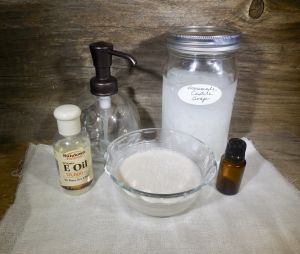
Tea tree oil shampoo

I discovered this recipe about three months ago and now use it weekly on my hair. It conditions my scalp and keeps my hair shiny and soft. Using this shampoo will also help if you suffer from dandruff. It can help make your hair grow fuller and longer with regular use.

This tea tree oil shampoo only takes five minutes to prepare and it will last about a month.

Ingredients

  • 1/2 cup coconut milk
  • 2/3 cup castile soap
  • 40 drops tea tree essential oil
  • 1 tsp vitamin E oil

Equipment

  • Quart mason jar with lid — I used a jar with a pump lid

Instructions

  1. Gather ingredients and the mason jar.
  2. Add coconut milk and castile soap to the jar.
  3. Shake gently.
  4. Add the tea tree oil and vitamin E oil and shake again.
  5. Store in your shower and shake well before each use. Use one tablespoon of the mixture to shampoo hair.

— Susan Patterson


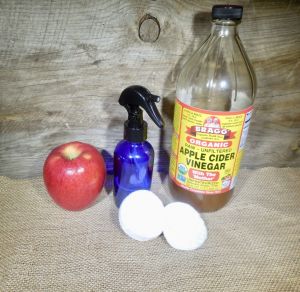
My Favorite Apple Cider Vinegar Facial Toner

April 27, 2017 By Susan Patterson

I love the way my face feels when it is clean and fresh. Using this easy-to-make apple cider vinegar tonic is a great way to clean impurities from my skin while tightening and lifting. I especially like to use this toner after I have been out in the sun. It always leaves my skin refreshed and squeaky clean.

Apple cider vinegar helps balance the pH of your skin. It can lighten sun and age spots. It can also improve acne scars and remove oils and makeup off of your face. Why waste your money on commercial toners when you can make your very own non-toxic toner at home for a fraction of the cost?

Apple Cider Vinegar Facial Toner

Ingredients

  • 1/2 cup apple cider vinegar
  • 1 cup filtered water

Equipment

  • Glass spray bottle
  • Pint-sized mason jar

Instructions

  1. Gather all ingredients and containers.
  2. Pour filtered water and apple cider vinegar in spray bottle.
  3. When filled, store the rest of the mix at room temperature in a jar with lid.
  4. Spray mix onto a cotton pad and wipe over entire face. Do not rinse off.

Prep time is only about 10 minutes. Enjoy!

2 Really Good Reasons Why You Should Skip Breakfast

April 26, 2017 By Susan Patterson

We have all heard that breakfast is the most important meal of the day. While this may be true for some, it is not necessarily true for everyone. In fact, a large majority of people would be substantially healthier if they waited to have breakfast until later in the day.

I know that my body responds really well to skipping breakfast. I am never hungry first thing in the morning but ate breakfast for years because it was supposedly the right thing to do. However, when I realized that my body responds best to skipping breakfast, I started to eat my first meal at noon, having only coffee and tea in the morning.

What the research says

Researchers from Canada who have studied the eating habits of about 12,000 adults have found that “breakfast consumption was not consistently associated with differences in [body mass index] or overweight prevalence.” Another study published in the American Journal of Clinical Nutrition discovered that people who ate breakfast did no better and no worse than people who skipped breakfast.

Our ancestors did it

Waiting until later in the day, even noon, to eat your first meal has many scientifically-backed benefits. Supporters of intermittent fasting (eating only two healthy meals a day) would suggest that skipping breakfast is natural and extremely healthy. After all, our ancestors hunted and gathered food all day long and ate at the end of the day. We are designed for this.

Skipping breakfast will cause you to burn stored fat

The longer you wait to eat the first meal of your day, the more likely you will be to burn stored fat. Remember that the body will only burn this stored fat in fasting mode (or during high-intensity exercise). In a 2015 issue of The FASEB Journal, scientists looked at six studies of obese people who skipped breakfast and ate two good meals a day (intermittent fasting) at least one day a week. They found that those who practiced intermittent fasting lost an average of 2.6 percent of their body weight after one month, 6.4 percent after three months, and 8.4 percent after six months. All had improved levels of cholesterol, and insulin.

Skipping breakfast will help normalize blood sugar levels

If you are insulin sensitive (which many people are), your body is burning mostly carbohydrates and avoiding fats. This doesn’t do much good for your overall health or appearance. Chronic insulin resistance — or metabolic syndrome — happens when your body is in a constant state of insulin resistance and the body secretes, even more, insulin when you eat which further complicates a healthy metabolism.   

What you must do if you skip breakfast

If you make your first meal at noon and eat another time around 6 p.m., you must eat two well balanced meals comprised of whole foods and healthy fats like coconut oil and avocado oil.  Skipping breakfast is in no way an excuse to load up on junk food. Stay clear of wheat, sugar, grains and processed food of any kind.  You can enjoy fresh coffee and tea. And of course, drink at least eight glasses of water daily.

Be patient and listen to your body

Be patient with your body as it responds to a new way of eating. It will soon reward you. Skipping breakfast and participating in intermittent fasting is a normalizing tool — not a get-skinny-quick fad!


How to Stay Safe in the Sun, Naturally

April 17, 2017 By Susan Patterson

I love, love, love the sun. Now that spring has arrived in my neck of the woods, I try to spend as much time as I can outdoors. I either have my hands up to my elbows in dirt planting flowers or I am out hiking and biking in the warm weather. I even set a desk outside to work when I am writing.

Although I love the sun, I am not a big fan of sunscreen. In fact, I try to avoid it as much as possible. However, I am well aware of the dangers of too much sun exposure. I also know that many conventional sunscreens contain questionable ingredients. And, since your skin is your body’s largest organ with a surface area of 20 feet, it make sense to pay attention to what you put on it.

Before I even knew the dangers of conventional sunscreen, I didn’t like the way it felt on my skin. It clogs my pores and seems to keep me from sweating, leading to overheating.

So, what is the big danger with most sunscreens?

Besides not liking how it feels on my skin, there are some other very good reasons to avoid conventional sunscreen. In a study published by SkinBiology.com, it was noted that many popular sunscreens contain numerous chemicals that may actually contribute to the development of melanoma and basal cell cancer, in addition to causing other significant health issues.

Common chemicals found in most popular sunscreens include PABA and PABA esters (ethyl dihydroxy propyl PAB, glyceryl PABA, p-aminobenzoic acid, padimate-O or octyl dimethyl PABA), benzophenones (dioxybenzone, oxybenzone), cinnamates (cinoxate, ethylhexyl p-methoxycinnamate, octocrylene, octyl methoxycinnamate), salicyltes (ethylhexyl salicylate, homosalate, octyl salicylate), digalloyl trioleate, menthyl anthranilate and avobenzone (butyl-methyoxydibenzoylmethane, parsol 1789). The criticism is that these chemicals powerfully promote free radicals in the body. They are synthetic chemicals which accumulate in fat cells and have estrogenic characteristics that affect health in significant ways.

Free radicals have been found to be a strong contributing factor to the development of many forms of cancer, including skin cancer. For example, the chemical benzophenone interacts with ultraviolet sunrays to produce two of the strongest free radical reactions in the body. Combined with other molecules in the body, they bind with fats, proteins and DNA, which results in damage to skin cells and the development of cancer.

Estrogenic chemicals contribute to difficulties with normal sexual development and other health conditions. Estrogenic chemicals contribute to numerous health problems in women, including migraines, endometriosis, erratic periods, fibrocystic breast disease, uterine cysts, severe PMS symptoms, and increased rates of uterine and breast cancer. In men, these chemicals contribute to decreased sperm counts, decreased penis size, increased rates of testicular cancer, undescended testes, reduced fetal imprinting of male behavior patterns and sexual identity changes, perhaps due to feminization of secondary sexual characteristics.

I use coconut oil

I was amazed to find out that skin cancer is virtually unheard of in the Philippines, where people are exposed to the sun’s hot rays all year long. Interestingly enough, coconut oil is the main dietary oil and the key ingredient in all of their skin care products.

While coconut oil may not have the high SPF of some sunscreen, it does provide some protection and has an SPF of about 10.  Its healing antioxidant powers protect the skin from free radical damage. In addition, using coconut oil on the skin helps our bodies absorb other nutrients more effectively, such as vitamin E, which is another skin protecting antioxidant.

Now, don’t think that you can be crazy and lay in the sun all day, even with coconut oil on your skin. You still have to be smart about the sun. Stay clear of the sun during the hottest time of the day between noon and 3 p.m., if possible. Vitamin D production is important, but it only takes a little while per day in the sun to get what you need.

Other options

Instead of using sunscreen, there are other methods to protect yourself from the damaging rays of the sun. For example, there are many clothing products that are specifically designed to protect from the sun, including hats, shirts, pants and cover-ups. Wearing these items of clothing when you go outside will provide you with more protection from the sun than going outside without any protective clothing at all

Another option is to use organic sunscreen, which are made from natural mineral and plant-based ingredients. Organic sunscreen products do not contain harmful chemical preservatives and often also includes ingredients that are soothing to the skin, such as lavender, aloe vera, jojoba oil, shea butter, coconut oil and green tea extract. Additionally, organic sun protection lotions and creams are safe for use on infants as well as children and adults.

Eating a diet that is rich in antioxidants can also help with skin care and help fight against the damage resulting from sun exposure. Diets high in antioxidants not only contribute to healthy skin, but can also boost metabolism and your immune system. Eat brightly colored foods and dark green leafy vegetables, such as blueberries, raspberries, Brussels sprouts, broccoli, cabbage, carrots and sweet potatoes. Other healthy antioxidant foods include tomatoes, spinach, grapes and garlic.

If you want to maintain healthy skin and lessen your chances of unwanted skin diseases and ailments, use natural organic skin protection products, wear protective clothing and eat a diet rich in healthy antioxidant foods. Above all else, limit the amount time you spend in the sun unprotected.

-Susan Patterson

  • « Previous Page
  • 1
  • …
  • 30
  • 31
  • 32

Recent Articles

  • Use 1 Drop Of This Oil To Improve Vision June 22, 2026
  • Why I Stopped Showering Every Day June 22, 2026
  • This Anti Aging Eye Cream With Coconut Oil Really Works June 21, 2026
  • COVID-19 Vaccine Update: The Truth About Omicron (7 Things You Need To Know Before Getting Vaccinated) June 20, 2026
  • COVID 19 Vaccine Update (9+ Things You Should Know Before Getting Vaccinated) June 19, 2026
  • Start Eating These 7 Foods Now to Build Your Winter Immunity June 18, 2026
  • 7 Things That Happen to Your Body if You Stop Having Sex June 17, 2026
  • Is Dead Vagina Syndrome Real? Plus, 4 Ways To Boost Your Libido June 17, 2026
  • About
  • Terms of Service
  • Privacy Policy
  • Contact Us

© Tropical Health. All rights reserved.

Subject:
Message:
Ajax loader
Manage Cookie Consent
We use cookies to optimize our website and our service.
Functional cookies Always active
The technical storage or access is strictly necessary for the legitimate purpose of enabling the use of a specific service explicitly requested by the subscriber or user, or for the sole purpose of carrying out the transmission of a communication over an electronic communications network.
Preferences
The technical storage or access is necessary for the legitimate purpose of storing preferences that are not requested by the subscriber or user.
Statistics
The technical storage or access that is used exclusively for statistical purposes. The technical storage or access that is used exclusively for anonymous statistical purposes. Without a subpoena, voluntary compliance on the part of your Internet Service Provider, or additional records from a third party, information stored or retrieved for this purpose alone cannot usually be used to identify you.
Marketing
The technical storage or access is required to create user profiles to send advertising, or to track the user on a website or across several websites for similar marketing purposes.
  • Manage options
  • Manage services
  • Manage {vendor_count} vendors
  • Read more about these purposes
View preferences
  • {title}
  • {title}
  • {title}
Manage Cookie Consent
We use cookies to optimize our website and our service.
Functional cookies Always active
The technical storage or access is strictly necessary for the legitimate purpose of enabling the use of a specific service explicitly requested by the subscriber or user, or for the sole purpose of carrying out the transmission of a communication over an electronic communications network.
Preferences
The technical storage or access is necessary for the legitimate purpose of storing preferences that are not requested by the subscriber or user.
Statistics
The technical storage or access that is used exclusively for statistical purposes. The technical storage or access that is used exclusively for anonymous statistical purposes. Without a subpoena, voluntary compliance on the part of your Internet Service Provider, or additional records from a third party, information stored or retrieved for this purpose alone cannot usually be used to identify you.
Marketing
The technical storage or access is required to create user profiles to send advertising, or to track the user on a website or across several websites for similar marketing purposes.
  • Manage options
  • Manage services
  • Manage {vendor_count} vendors
  • Read more about these purposes
View preferences
  • {title}
  • {title}
  • {title}