
Tropical Health

  • Wellness
  • Remedies
  • Recipes

Why I Stopped Showering Every Day

June 22, 2026 By Susan Patterson

Up until about two years ago, I was a huge advocate for a shower a day — or sometimes even two. In fact, I loved a long and very hot shower. It was relaxing and I felt it was necessary for optimal cleanliness. I workout daily and just didn’t feel right not showering to freshen up.

It wasn’t until I discovered that I was vitamin D deficient (despite spending a great amount of time outdoors) that I realized I needed to stop showering so frequently.

According to leading natural health expert, Dr. Joseph Mercola, vitamin D can take up to 48 hours to absorb through the skin when first exposed to the sun. If you use soap and water on the skin it can actually interfere with the necessary chemical reaction.

Not wanting to “wash off” the vitamin D that I had absorbed from the sun, I began to be more cognizant of the amount of time I spent in the shower.

Vitamin D3 is an oil soluble steroid hormone

Vitamin D3 is what’s known as an oil soluble steroid hormone. It is actually formed when the skin is exposed to ultraviolet-B (UVB) radiation from the sun. When the rays hit your skin, it converts a cholesterol derivative in the skin into vitamin D3.

Once the D3 is formed, it sits on the surface of the skin for quite some time. It takes a long time — up to 48 hours — for it to be completely absorbed. So, you can see that a nice warm shower with body wash will cancel any benefit you gained from your time in the sun. In fact, in order to fully optimize your time in the sun, it is best not to shower for a full two days after exposure to the sun.

Showers strip away natural oils

I live in the Southwest where the air is incredibly dry. After moving from the swampy southeast a couple of years ago, I decided that daily showers would only contribute to the battle I was having with dry skin. Showers, especially long and hot ones like I used to take, strip the body of natural oils, leaving it dry and cracked.  In addition,  frequent showering also disrupts immune supporting bacteria. This is especially true if you use an antibacterial soap or body wash.

Showering is really only aesthetic

What if I told you that showering is practically for aesthetic reasons? According to Dr. Elaine Larson, an infectious disease expert and associate dean for research at Columbia University School of Nursing. “People think they’re showering for hygiene or to be cleaner, but bacteriologically, that’s not the case.”

If you must shower daily, only hit your stinkiest parts — your pits, groin and buttocks. It isn’t really necessary to bother with the rest of your body. Once you hop out of the shower, be sure to apply a natural moisturizer like coconut oil.

How often should I shower?

According to Dr. C. Brandon Mitchell, assistant professor of dermatology at George Washington University, most people over-bathe. If you are bathing for health reasons, Mitchell states that once or twice a week is plenty to keep natural oils and bacteria in balance. The body is an amazing self regulating machine that doesn’t need washing nearly as much as we think it does.

What is the right way to shower?

So when you do make it to the shower, is there one way that is better than another to wash your body? The ideal shower is very dependent on water temperature. Again, as much as most of us probably love a steaming hot shower, this is not the best thing for our skin or hair. Hot water will make your hair very brittle over time and leave your skin dry and cracking. Also, be sure to use an all natural, preferably organic body wash and lightly rub your skin in circular motions to cleanse. More aggressive scrubbing will only cause damage and irritate your skin.

When you finish showering, don’t rub your skin harshly with a towel. Instead, gently pat yourself dry. Follow up with a natural oil such as coconut or hemp seed all over to help replenish moisture.

I love to end my shower with super cold blast of water. This helps to close open pores and firm skin. It is especially refreshing to let the cold water spray on your face.

Don’t forget a chlorine filter

Your skin is the largest organ of your body, and it is highly porous and absorbent. It may be possible to take in more chlorinated water through your skin during a hot bath or shower than through drinking it. So, if your home water system is treated with chlorine, and you take baths or showers without some sort of filtration system specifically designed to weed out the chlorine, you’re chronically exposed.

It’s not just chlorine itself that you have to worry about, either. Though chlorine alone has its own dangers, it also combines with organic compounds, such as the sweat and oil on our skin, to produce trihalomethane byproducts, commonly referred to as THMs. The levels of THMs produced when you take a hot bath or shower are rather low. However, over time, these carcinogens could have increasingly detrimental effects.

If your area does use chlorinated water, there are several steps you can take. You definitely don’t want to be drinking this stuff; installing a dechlorinating water filter on your taps is a great first step. Make sure to read reviews and compare units. Also, it’s key to find out how often these filters need to be replaced, and how they need to be maintained.

You can install a dechlorinating shower filter. There are many on the market, so it’s worth it to compare and check reviews on these, as well. There are also bath dechlorinators available, such as bath ball dechlorinators, which hang underneath your faucet and remove the chlorine when the water enters the filter. Remember, not all filters remove chlorine from water, so you want to make sure that the filter you choose is effective for this purpose.

Final Note

If showering every day is something that you just can’t give up, consider the tips offered above. This will save your skin, maximize your vitamin D production and keep your good bacteria in check.  

-Susan Patterson
This Anti Aging Eye Cream With Coconut Oil Really Works

June 21, 2026 By Susan Patterson

When I turned fifty a year ago, I realized that the clock was ticking faster than it had been. Great memories flooded my mind and I began to look at my life in a slightly different way. I also noticed some physical changes that were somewhat troublesome.

Although I have been conscious of the aging process for some time, turning fifty really hit home. I was aging, yes, and looking a little older each year, but I was also confident that I was not going to let my age define my outlook on life nor stop me from taking the best care of my body. I am a firm believer in being a great steward of what has been given to me, including my mind, spirit, and body.

The aging train chugs onward

Perhaps you, like me, have taken a glance at yourself in the mirror only to notice a few more fine lines around your eyes, forehead, and cheeks, or maybe some creases in your neck that were not there before. If so, welcome to the aging process.

The reality is, as we age our skin begins to lose it firmness, elasticity, and also its moisture, which all contribute to the appearance of fine lines and wrinkles. Added culprits that hasten your skin aging include sun exposure, stress, and lack of sleep. This is a naughty trifecta for me. I have spent a great deal of time in the sun, I don’t handle stress really well, and since the onset of perimenopause, I don’t sleep too well either.

In my search for a natural way to reduce fine lines, especially around my eyes, and be kind to my aging skin, I turned to my old favorite standby — coconut oil. When I discovered the benefits of this tropical treasure about eight years ago, I began to use it for everything. I dumped all my cooking oils and replaced them with coconut oil. I began to investigate all of the wonderful ways that this healthy saturated fat could improve my health and the health of my family and pets.

Why coconut oil?

If you are hesitant to put coconut oil on your skin, let me give you just a few reasons why I am in such an intense love affair with this rich and creamy substance.

Coconut oil is the main reason why people in the tropics can be in the sun and not experience skin cancer, and also have flawless looking skin. Its healing, antioxidant powers protect the skin from free radical damage. In addition, using coconut oil on the skin helps our bodies absorb other nutrients more effectively, such as vitamin E, which is another skin-protecting antioxidant. Studies have shown that people with dry skin can improve the moisture and fat content of their skin by using a little coconut oil daily.

What this means for wrinkles

I have used coconut oil on my arms, legs, and feet for quite some time, but was a bit leary of putting it on my face for fear that I might break out. However, I was wrong about that and for the last year, I have been enjoying the therapeutic benefits of unrefined coconut oil on my face, especially around my eyes (where my age is really starting to show).

After some experimenting, I was able to come up with my own recipe for my tired eyes. In addition to coconut oil, I chose to use lavender essential oil not only because I love its calming and sweet aroma, but because of its therapeutic value. Lavender oil is loaded with potent antioxidants that are strong enough to combat the daily damage done by environmental pollutants while calming my skin. Also,  lavender oil also reduces inflammation and improves blood circulation.

I also use vitamin E oil in my eye cream because of its moisturizing and antioxidant properties.  The antioxidants in vitamin E also protect skin cells from harmful UV rays and other free radicals that break down collagen. Like coconut oil, vitamin E oil penetrates the skin quickly and goes to work to hydrate the epidermis — this helps keep new wrinkles from forming.

This eye cream works

After using my anti-aging eye cream for the past year, I can attest to the fact that it works. I use it each evening before I go to bed and can see a noticeable difference in the appearance of my skin around my eyes.

I believe in this cream so much that I want to share the recipe with you. It is an easy-to-make way to revitalize the sensitive areas around your eyes and reduce the appearance of fine lines and wrinkles.

Again, while we can’t stop the aging process, we can do our best to love the skin we are in!

Ingredients:

  • 2 tbsp coconut oil
  • ¼ tsp vitamin E oil
  • 6 drops lavender essential oil

Supplies:

  • Small container — I use an Altoid tin

Instructions:

  1. Measure all ingredients into a small bowl.
  2. Mix really well.
  3. Using a small spatula, put the mixture into your container. Cool until hardened. I put my container in the refrigerator to speed up the cooling process.
  4. Use every night before bed. Apply with your ring finger for the least amount of pressure on the tender skin around your eyes.

This takes 5 to 10 minutes to mix up. It takes about 15 minutes for it to cool to a hardened state.

-Susan Patterson

COVID-19 Vaccine Update: The Truth About Omicron (7 Things You Need To Know Before Getting Vaccinated)

June 20, 2026 By Susan Patterson

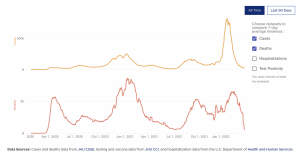
UPDATE – 03/17/22 – Latest COVID-19 positive cases and death trends.

Source: Johns Hopkins Coronavirus Resource Center

Omicron is the 15th letter of the Greek alphabet…and yes, the COVID-19 variant that carries its name is the 15th “variant of concern” since the Alpha variant first arrived in the US over two years ago. Delta was the only other one that got really (in)famous…but all of your favorite fraternity and sorority letters have had their named variants too.

The current surge is a massive one because Omicron is extremely contagious. And, just like previous variants, it is transmissible by asymptomatic (or pre-symptomatic) individuals for several days. That’s the main reason why it is so difficult to contain. 

Since the beginning of the pandemic, the Johns Hopkins Coronavirus Resource Center reports over 79 million confirmed cases and over 965,000 deaths related to COVID in the US. (Global numbers are over 460 million cases and 6 million deaths as of March 15, 2022.) There is not one person, one industry, or one corner of the world that has not felt the impact of this scourge.

Pandemic fatigue is real. We are all desperate to return to normal, but most of us aren’t even sure what normal even looks like anymore. It can sometimes feel like all the news is bad news…but there are several reasons to be hopeful in 2022. 

Milder Symptoms 

Many people who are exposed to Omicron will not develop any symptoms at all. For those who do develop symptoms, the onset will typically be 2-3 days after exposure and commonly include fever, headache, sore throat, sinus congestion, cough, and gastrointestinal symptoms like heartburn and diarrhea. Omicron patients are far less likely to experience the loss of smell and taste that was so common with previous variants. For most people, these symptoms are mild to moderate in intensity and resolve completely within 10 days.

Note: Although it’s true that “most” people with Omicron will have a mild/moderate illness, it’s also true that individuals who have been vaccinated and/or boosted are more likely to have a mild course and have a significantly lower risk of hospitalization and death than unvaccinated individuals. 

Less Death

The Omicron variant is now the dominant strain worldwide and in the US. It spreads much more easily than previous strains but it also causes less severe disease. This explains the phenomenon of “uncoupling” which refers to the extremely high caseloads with relatively lower levels of hospitalizations and deaths relative to previous strains. 

Better Treatment

Although Omicron is less likely to cause severe disease, there are still over 150,000 people currently hospitalized with it in the US, and over 25,000 of them are in intensive care. It’s no picnic.  But, the challenges of the last two years have led to advances and improvements in the way that we treat Covid patients, both at home and in the hospital. Antiviral medications and monoclonal antibodies are being used in an outpatient setting, and hospital and ICU care has advanced dramatically for the sickest patients.  

Risk Factors: 

Early in the pandemic, it became clear that older people and those with chronic conditions, including obesity, were at greater risk for more serious disease if they contracted COVID-19. That remains true, but new science has shown that individuals who are overweight or obese now have a new problem to worry about.  Obesity may impact the effectiveness of Covid vaccines. 

A new study suggests that lean or normal-weight individuals have a more robust antibody response after a COVID vaccine.  This may result in a shorter duration of protection and/or lower vaccine effectiveness in obese or overweight individuals. Additional studies demonstrate that elevated blood pressure and excessive abdominal fat lead to suboptimal antibody responses after vaccination.   

If you needed another reason to lose weight and get your blood pressure in control…you’ve got it.

COVID Testing:

There are two main technologies that are used to determine whether or not an individual has COVID. Both methods use a nasal or throat swab to collect the sample to be tested.  

  1. Polymerase Chain Reaction (PCR): PCR is a technique that replicates tiny amounts of genetic material so that it can be detected. It is the most reliable way to diagnose COVID but PCR tests can take 24-72 hours to provide results. 
  2. Rapid Antigen Test: Antigens are specific proteins on the surface of a virus that can be detected using technology and tools that are similar to the way we test for hormones in pregnancy. One line = negative. Two lines = positive. 

Both PCR and Rapid tests can be expected to remain positive for 7-10 days after initial infection. In some cases, tests may remain positive for significantly longer.  This persistent positivity has prompted the CDC and many other health authorities to modify isolation and quarantine regulations to include the days since exposure, symptom onset, or first positive test in the regulations.  

There is also a blood test that can look for antibodies that were made by the immune system in response to either infection or vaccination. Antibodies can days to weeks to develop after an infection and may remain in the blood for months after recovery. As such, antibody tests are not useful for diagnosing an active COVID infection.

COVID-19 Vaccine Update: 

The Congressional Budget Office estimates that the Federal Biomedical Research and Development Authority alone has spent over $20 billion on COVID vaccine development.  Future estimates suggest that US spending on COVID vaccine research, development, and deployment will soon reach $50 billion. 

The return on that massive investment is extremely difficult to calculate.  

Covid vaccines are different than other vaccines in both form and function. 

Let’s start with function. The first vaccine ever developed and deployed at population scale was for smallpox. That was over 200 years ago in 1798. Since then, the list of diseases that have available vaccines in the US has grown to 24 different infectious diseases…with COVID being number 25. (The number of vaccines is far greater because there are multiple vaccines for single illnesses and combinations of vaccines for multiple illnesses.) 

Up until COVID surged into our lives…it was a matter of fact that vaccines were used to prevent illness. The idea was that if you got the vaccine…you would not get the infection, nor could you pass it on to someone else. 

COVID changed that. 

Unlike our other vaccines, COVID vaccines do not reliably prevent transmission of the illness. But, they do make it less severe, less likely to result in a hospitalization, and less likely o result in death.  Those are all good things indeed…but we can all agree that preventing the infection entirely would be better. 

COVID vaccines are also different in terms of form. That is, they are new and structurally different than all of the other available vaccines. The difference is that COVID vaccines like the ones made by Pfizer and Moderna employ a technology that is based on mRNA. 

(Note:  The Johnson & Johnson COVID vaccine does not use mRNA technology…it is more similar to our more traditional vaccines that use inactivated viruses.) 

Messenger RNA (mRNA)

If you think of DNA as the original manuscript or the source code…mRNA is a bit like a screenshot that can be copied, pasted, and sent. mRNA carries genetic code from DNA inside the nucleus out to ribosomes which are where protein manufacturing occurs.  In other words, mRNA brings the blueprints to the protein factory. Messenger RNA really is a messenger molecule. 

In the case of mRNA vaccines, mRNA that was created in a laboratory provided the blueprints for the manufacture of a very specific type of protein called an antibody.  Antibodies are proteins that can bind to specific sites on a virus. When they lock on, they sound a biochemical alarm that attracts immune cells to the virus to kill it and dispose of it.  

mRNA does not enter the nucleus of a cell, and it does not alter DNA. It simply provides an instruction manual for the manufacture of an antibody that is specific to the spike protein of the coronavirus that causes COVID.  Once those antibodies are made, the mRNA from the vaccine is destroyed. 

Although mRNA vaccine technology is new and almost seems like science-fiction, there are several reasons that mRNA vaccines have an advantage: 

  1. Adjuvants:  Chemical adjuvants are ingredients that are added to traditional vaccines to stimulate a stronger immune response. Because mRNA vaccines work differently than traditional vaccines, they do not require the same adjuvants, so the ingredient list is actually “cleaner” than many traditional vaccines. 
  2. Preservatives:  mRNA is an unstable molecule that requires extremely cold temperatures to maintain its integrity. Those cold temperatures reduce the need for extra preservatives which are required in traditional vaccines.  

There also appears to be at least one significant disadvantage to mRNA vaccines compared to older vaccine technology…the protection that they provide does not last as long. It appears that the protection that mRNA vaccines for COVID provide “wears off” after about 6 months. And that brings us to the discussion of boosters.

The CDC currently recommends booster shots for everyone 12 years and older. Booster eligibility begins five months after getting the second dose of the Pfizer or Moderna vaccines or two months after a single dose of the Johnson & Johnson vaccine.  

In the scientific community, there is a strong consensus that boosters are useful for people over age 50. In younger individuals, and in those who have had a recent COVID infection…the question of boosters remains far from settled. 

The current data does suggest that booster shots do indeed confer additional benefit against the Omicron variant. Boosted individuals, regardless of age, have a milder illness and less risk of hospitalization and death than those who have not had the booster. But, Omicron tends to run a fairly mild course anyway…and, although the vaccines are generally safe and well-tolerated for most people, they are not risk-free.

As of March 15, 2022, there have been over 555 million doses of COVID vaccine administered in the US. (There have been over 10 billion doses administered worldwide.) That is a lot of vaccines. Given the massive scale of the COVID vaccine campaign, it’s quite clear that COVID vaccines are generally safe. But, they are not 100% safe. mRNA vaccines have been associated with:   

    • Common side effects: mRNA vaccines often cause pain, redness, and swelling in the arm where the injection was given. In the 24-48 hours after the injection, commonly reported side effects include: fatigue, headache, muscle pain, chills, fever, and nausea.
    • Lymph node swelling:  It is common for axillary (armpit) lymph nodes to become enlarged on the side where the COVID vaccine was administered. The enlargement can persist for several weeks after the vaccine. Because axillary lymph node enlargement can also occur in breast cancer, this otherwise minor side effect can strike fear in many women after the vaccine.  As a result, many experts are now recommending that women avoid unnecessary testing and delay mammograms and for one month after getting a COVID vaccine to allow time for enlarged lymph nodes to subside.
    • Anaphylaxis:  This is a severe allergic reaction that has been reported in approximately 5 people per million who receive a COVID vaccine. 
  • Thrombosis with thrombocytopenia syndrome (TTS): This is a rare blood clotting disorder that has been reported after the Johnson & Johnson vaccine at a rate of 57 cases per 17 million doses. 
    • Guillain-Barré Syndrome (GBS): This is a neurological disorder that has been reported at increased rates after J&J vaccines. At present, there appears to be no increase in GBS with mRNA vaccines. 
  • Myocarditis and pericarditis: Myocarditis is inflammation of the heart muscle.  Pericarditis is inflammation of the lining that surrounds the heart. Both are serious and painful, but not usually life-threatening. As of January 2022, CDC and FDA have verified 1,213 reports of myocarditis after a COVID vaccine, typically in males younger than 30 who have received an mRNA vaccine.  

It’s important to remember that over 9 billion doses of COVID vaccine have been administered globally, over 530 million doses of which have been injected into the arms of Americans. That is a lot of people.  And tragically, even if COVID (or COVID vaccines) never existed…some of those people would get sick and some of them would die.  But, COVID does exist. And so do COVID vaccines.  And some of the people who got one of those 9 billion doses COVID vaccine will get sick and die in the days to weeks afterward. Whether the vaccine was directly involved in that sickness or death is not always so easy to sort out.  

In public health, there is no such thing as zero risk.  COVID has risks. Vaccines have risks. Societal shutdowns have risks. We need to consider them all.  And then, the goal in any public health initiative should be to choose the path that leads to the lowest total risk. We call that total harm reduction. 

It is also critical to point out that the path to total harm reduction for any one individual might be different than the path for another individual. And, perhaps more importantly the path to total harm reduction for an entire country, might be different than the path for any one individual in that country. It is precisely that divergence that has led to all of the social and political drama we see playing out all around us.  

IMMUNE SUPPORT

I believe that the outcome of any infection (including COVID) can be improved with attention to the health of the immune system. This pandemic should be seen as an opportunity to shore up our defenses and improve the chances that we come out the other side in one piece. Here is a list of the most important ways that you can support your immune system:  

But first, a disclaimer:  

I’m not a virologist, immunologist, epidemiologist, or infectious disease expert.

The approach that I have always taken, and the one that still makes sense today is rooted in the idea that:  

Every infection is a RELATIONSHIP. 

It’s a relationship between an organism (in this case, a coronavirus) and a host (in this case, you.)  

The outcome of that relationship depends on factors related to both the organism AND the host. In much the same way that a cheetah catches and kills the weakest/slowest antelope in the herd…the coronavirus does the same thing. The healthy, fast antelopes at the front are more likely to be spared….it’s the ones who are at the back of the pack (older, weaker, sicker etc) who are most vulnerable. 

So…when an organism like this is in the community…it’s like the cheetah on the prowl. You need to do everything you can to stay at the front of the pack.   

Below, you’ll find my list of top ten natural approaches to keeping your immune system strong…to keep you at the front of the pack. 

But before we get to that…my second disclaimer: 

The suggestions below have not been proven as treatments for COVID-19, nor are they substitutes for the advice from your physician or local public health authority. The strategies below are reasonable and they are safe, and as such …I believe that these suggestions are worth a try.  

1) Social Distancing: I know it feels like “everything” is canceled, but I’d like to remind you that: 

  • Your family is not canceled.
  • You can still call your friends. 
  • Your imagination still works.
  • Conversations aren’t canceled.
  • Music is still here. 
  • Long walks are still allowed. 
  • The beach, the mountains, the lakes, the rivers, the woods…still open.
  • Books have been waiting for you.
  • Hope is still alive.
  • And…self-care is open for business. 

2) Foods To Eat: The best fuel for your immune system is a minimally-processed, plant-based, anti-inflammatory diet. That means eating foods that come from farms and fields…not factories.

  •  Eat vegetables, fruit, beans, nuts, seeds, whole grains…and if you choose to eat animal products like meat, poultry, eggs, dairy, make sure that they come from healthy animals that were farmed in an organic, sustainable, regenerative way.  
  • Eat lots of spices: ginger, garlic, turmeric, oregano, thyme, rosemary all have antiviral and immune-supportive properties.  
  • Drink lots of green tea. It contains an immune-supportive compound called EGCG. Pro tip:  dark chocolate contains EGCG too! 

3) Foods To Avoid: 

  • Avoid added sugar, high fructose corn syrup and foods or drinks that contain added sweeteners.  Honey is the sweetener of choice. 
  • Avoid the unhealthy fats found fried food, and foods processed with ultra-processed “vegetable oils” 
  • Minimize ultra-processed foods in general. Shelf stable foods in cans, jars etc should only have a short list of ingredients that you can read and recognize.

4)  The Three S’s:

  1. Sleep: 7 hours minimum. More if you’re sick. Don’t stay up late watching the “bad news”…turn it off an hour before bed. 
  2. Stress: We can’t eliminate stress, but the way we respond to it is a choice that is in our control. Uncertainty is fuel for anxiety and these are uncertain times. But remember, panic almost never helps anything. 
  3. Smoking: There has never been a better time to stop smoking.

5) Physical activity:  The gym is closed. Keep your physical activity going…but keep it gentle. Super heavy exercise can depress immunity while moderate exercise improves immunity. Long walks, hikes, short runs, bike rides…try to move your body outside.

6) Water: 

  • Hydration: Stay hydrated. No need to overdo it. Consider using your last sip to gargle…believe it or not, there is actually some research that suggests gargling water might decrease the risk of respiratory infection.
  • Humidification: Viruses do better in dry air. Consider using a humidifier.  
  • Hygiene: Yes, hand washing. For at least 15 seconds. Focus on your fingertips.

7) Vitamins and Minerals:

  • Vitamin A:  Commonly used in doses of: 
    • 5,000-10,000 IU is a reasonable dose for prevention 
    • Up to 100,000 IU for three days for treatment
    • DO NOT USE  in pregnancy, nursing, or liver disease.  
  • Vitamin C: 
    • 1-3 grams per day for prevention
    • up to 10,000 mg (or 10 grams) for treatment. 
    • Divide doses throughout the day to improve bowel tolerance
  • Vitamin D:  Target lab test level of 40-60 
    • 2000-4000 IU daily 
  • Zinc:  
    • Prevention:  15-30 mg daily, 
    • Up to 75 mg daily for treatment. 
    • Zinc acetate or gluconate in lozenges is probably best. 
    • Too much in one dose will cause nausea. Divide it up.

8) Other supplements:

  • Probiotics:  There is an entire ecosystem of microorganisms that live within our bodies. When that ecosystem is healthy, we are more likely to be healthy as well. Take a high-quality probiotic daily.  
  • N-Acetylcysteine (NAC): 
    • 1800mg day in divided dose for prevention.  
    • Associated with higher likelihood of asymptomatic infection   
  • Quercetin:  A bioflavonoid compound found in onions. Canadian research is promising for antiviral and immune-supporting properties. 
    • 1000mg daily.  
  • Monolaurin: Derived from lauric acid which is found in coconut:  300mg three times per day with food. 
  • Propolis: An antimicrobial product produced by honeybees. Commonly used in throat sprays.

9) Herbal Medicines:

  • Elderberry (Sambucus nigra):  One tablespoon syrup two to four times per day. Lots of discussion online about the possibility that elderberries might increase the risk of “cytokine storm” in viral infections. There is no reliable evidence that concerns me. 
  • Skullcap (Scutellaria baicalensis): Has been studied in China in test tubes against Coronavirus:  Typical product in a capsule might contain 350-500mg of a fried herbal extract.  Take two of those three times daily.
  • Andrographis (Andrographis paniculata):  Look for a product that contains andrographolides…shoot for 50-60mg of andrographolides per day.   
  • Astragalus (Astragalus membranaceus): A famous and well-studied herbal immunomodulator.  Look for a product that contains a standardized extract and take about 2 grams, that’s 2000 mg daily.  
  • Cordyceps (Cordyceps sinensis): Commonly known as the “caterpillar fungus, this is a medicinal mushroom widely known for use in lung disease. Typical doses are about one gram (1000mg) daily for prevention, and up to three grams in the case of illness. 
  • Japanese Honeysuckle (Lonicera japonica): Animal studies have demonstrated an immunomodulatory effect. Often appears in Chinese formulas with Forsythia (below) and other herbs listed here.  
  • Forsythia (Forsythia suspensa): A beautiful spring flowering bush and a famous Chinese herbal medicine.  Herbal formulas for lung infections often include a Forsythia extract.  

10) Be Flexible: Have you ever seen a palm tree in a hurricane? They survive the storm because they are flexible. There is a storm coming…we’re going to stay calm, take it day by day, and ride it out together. 

And now, my final disclaimer:  

The information presented here is for educational purposes only. It is not a treatment or prevention for COVID-19 or any other medical problem. It is not a substitute for medical advice from your personal physician and is not a substitute for the advice from your local, state, or federal authorities.


COVID 19 Vaccine Update (9+ Things You Should Know Before Getting Vaccinated)

June 19, 2026 By Susan Patterson

Nearly two years ago, it showed up like a tsunami…and a wave of disease, death, and destruction swept over all of us. According to Statista, as of September 1, 2021, the number of confirmed and presumptive positive cases of COVID-19 disease surpassed 40 million in America, with 657,910 deaths reported. 

There is not one corner of the globe that this pandemic’s immensity and darkness have not impacted. It might be hard to imagine any good news coming out of such a real-life horror story – but, there is a glimmer of hope and light.

As life seemed to be spinning out of control, something was happening backstage. The best and brightest researchers in the world were pouring everything they knew into developing a vaccine that would protect us from the enemy novel virus. Now, it is here!!  As of September 1, 2021, 53% of all Americans are fully vaccinated and about 63% have recieved one dose.

However, as with anything new – especially vaccines – there are always lots of questions and plenty of considerations. As of September 1, 2021 – this is what we know about the available vaccines in America.

NEW INFORMATION: Obesity affects vaccine effectiveness.

Early in the pandemic, it became clear that older people and those with chronic conditions, including obesity, were at greater risk for more serious disease if they contracted COVID-19. That remains true, but new science has shown that individual who are overweight or obese now have a new problem to worry about.  Obesity may hamper the effectiveness of Covod vaccines. 

A new study suggests that lean or normal weight individuals have a more robust antibody response after COVID vaccine.  This may result in shorter duration of protection and/or lower vaccine effectivness in obese or overweight individuals.

Additional studies demonstrate that elevated blood pressure and excessive abdominal fat lead to suboptimal antibody responses after vaccination.   

If you needed another reason to lose weight and get your blood pressure in control… this is it.

SIDE EFFECTS UPDATE: Heart inflammation after vaccine – reports on the rise

According to the Centers for Disease Control and Prevention (CDC), there have been more than one thousand reports of heart inflammation reported following the administration of mRNA Covid-19 vaccination. As of August 25, 2021, CDC and FDA have confirmed 788 cases of myocarditis or pericarditis. These cases appear to be concentrated in young men, 16 years of age and older, typically after the second dose.

Myocarditis involves inflammation of the heart muscle with symptoms of fever, fatigue, shortness of breath, palpitations, and chest pain that hurts when leaning forward. Pericarditis involves the lining outside of the heart with similar symptoms to myocarditis.

The Vaccines and Related Biological Products Advisory Committee June 10, 2021 meeting presentation outlined the early safety data of Pfizer-BioNTech vaccination in persons aged 12-15-year-old and myocarditis and pericarditis following mRNA vaccination.

According to the CDC, patients who have presented for medical care have responded well and rapidly to medications and rest. At this time, the CDC is still recommending Covid-19 vaccinations for everyone 12 years of age and older.

About COVID-19 vaccines

The CDC has recommended that the following groups of people be offered the vaccine first.

  • Health care personnel
  • Adult residents of long-term care facilities
  • Essential persons like first responders and teachers
  • People 75 years of age or older
  • People ages 65-74
  • People ages 16-64 who have underlying medical conditions
  • Other essential persons who work in industries such as food service and construction

Note: Keep in mind that guidelines may vary by state.

Vaccines are FREE, here’s how to get yours

Vaccines are now widely available to anyone who wants one. The federal government is providing vaccines free to anyone living in America regardless of their health insurance or immigration status. Check with your local pharmacy to see if they have appointments for vaccines available or go online here to find out whether your local pharmacy is participating in The Federal Retail Pharmacy Program. You can also contact your state health department to find other vaccination locations.

Three vaccines authorized

There are presently three vaccines that are authorized for use in America:

  • Pfizer-BioNTech COVID-19 vaccine  – With an efficacy rate of 95%, this vaccine is available for persons 16 years or older. Recipients receive two injections 21 days apart.
  • Moderna’s COVID-19 vaccine – With an efficacy rate of 94.1%, against the alpha variant and 66% against delta, this vaccine is available for people 18 years or older. Recipients received two injections 28 days apart.
  • Janssen vaccine by Johnson & Johnson – The CDC and the FDA are currently recommending the use of this single dose vaccine after a temporary pause to investigate reports of blood clots.

Both the Pfizer and Moderna vaccines use messenger RNA technology while the J&J vaccine uses a more traditional virus-based technology.

Messenger RNA technology

Messenger RNA ( mRNA)vaccines do not use the live virus that causes COVID-19. Contrary to what you may have heard about these vaccines, mRNA does not enter the cells’ nucleus, which means it can’t alter DNA. Cells receive instruction on how to make a harmless protein unique to the virus. Once copies of the protein are made, the genetic material from the vaccine is destroyed. In response to the protein, the body makes T-lymphocytes and B-lymphocytes that fight off the COVID-19 virus if an infection happens.

According to Dr. Joshua Levitt, there are two pieces of welcome news about mRNA vaccines:  

  1. Adjuvants:  Chemical adjuvants are ingredients that are added to traditional vaccines to stimulate a stronger immune response. Because mRNA vaccines work differently than traditional vaccines, they do not require the same adjuvants, so the ingredient list is actually “cleaner” than many traditional vaccines. 
  2. Preservatives:  mRNA is an unstable molecule that requires extremely cold temperatures to maintain its integrity. Those cold temperatures reduce the need for extra preservatives which are required in traditional vaccines.  

According to The Centers for Disease Control (CDC), persons with the following should not be vaccinated with an mRNA vaccine

  • If you have had a serious allergic reaction or immediate reaction to any vaccine ingredient, you should not get the vaccine.  This includes a reaction to polyethylene glycol (PEG) and polysorbate. Although polysorbate is not in either of the vaccines mentioned above, it is closely related to PEG, which is in the vaccines.
  • If you have a severe allergic reaction or an immediate allergic reaction after the first dose, you should not get another injection even if the reaction was not severe. Examples of an immediate reaction include hives, swelling, or wheezing occurring within four hours of vaccination.

Note: If you have had a severe allergic reaction to injectables in the past, you can still get the vaccine, but you need to be monitored for 30 minutes after getting the vaccine.

What if I have an underlying condition?

If you have an underlying medical condition, the CDC states that you can get the vaccine as long as you have not had a reaction to a COVID-19 vaccine or any of its ingredients. There is, however, very little information about the safety of the vaccine in people who have autoimmune disorders or a weakened immune system.

What if I am pregnant or breastfeeding?

Because there is limited data on the safety of the COVID-19 vaccines in pregnant or breastfeeding women, it is best to speak with your healthcare provider before considering the vaccine.

Those that have already had COVID-19

If you have already had COVID-19, a vaccine may help prevent re-infection in the future. Because it is unknown how long immunity after getting COVID-19 lasts, the CDC is recommending vaccination 90 days after an initial diagnosis.

Possible reactions to COVID-19 vaccines

The following reactions are possible after the first or second vaccine injection.

  • Swelling, pain, or redness at the injection site
  • Fatigue
  • Fever (remember, this is a sign that your immune system is working)
  • Headache
  • Muscle pain
  • Joint pain
  • Chills
  • Swollen lymph nodes
  • General unwell feeling
  • Nausea and vomiting

* An important note for women:  It is common for axillary (armpit) lymph nodes to become enlarged on the side where the COVID vaccine was administered. The enlargement can persist for several weeks after the vaccine. Because axillary lymph node enlargement can also occur in breast cancer, this otherwise minor side effect can strike fear in many women after the vaccine.  As a result, many experts are now recommending that women avoid unnecessary testing and delay mammograms and for one month after getting a COVID vaccine to allow time for enlarged lymph nodes to subside.

It is important to note that getting the COVID-19 vaccine may cause some side effects similar to symptoms of the virus. If you have been exposed to COVID-19 and you develop symptoms more than three days after being vaccinated – or if your symptoms persist for two or more days – quarantine and get tested.

What about long-term side effects?

Both the Pfizer-BioNTech and Moderna COVID-19 vaccine trials started in the summer of 2020. Because of this, it is impossible to know what long-term side effects, if any, may occur. To stay current with all of the safety data surrounding vaccines, you can visit the Vaccine Adverse Event Reporting System. This site provides data available to the public.

Do I need to prepare for a COVID-19 vaccine?

There is a lot of information circling out there about what to do before a COVID-19 vaccination – it is imperative to sort through what is credible and just talk. Are you wondering about how best to prepare for a COVID-19 vaccination? Here is what the experts are saying.

  • According to Aaron E. Glatt, MD and hospital epidemiologist and chief of infectious diseases at Mount Sinai South Nassau in Oceanside, NY, there is nothing specific a person needs to do before taking the vaccine apart from reporting any previous serious allergic reactions.

  • Blanka Kaplan, MD, is a specialist in adult and pediatric allergy and immunology at Northwell Health in Great Neck, NY. According to Kaplan, if you take allergy medicine, you should not stop taking it before being vaccinated.

  • Kaplan also advises against taking any kind of non-steroidal anti-inflammatory drugs such as ibuprofen or aspirin before and 2 hours after vaccination  – unless instructed otherwise by your physician. These may cause an allergic reaction in some people. 

  • Kaplan’s additional advice includes avoiding alcohol 24 hours after vaccination and avoiding strenuous exercise 2 hours before and 2 hours after vaccination. Also, skip the hot shower 2 hours before and 2 hours after vaccination as it can cause allergic reactions in some people.

What you should do to support a healthy immune system

According to the experts, there are a few things that you can do to support your immune system doing its job. 

Stay hydrated – The first one is to stay well-hydrated. Hydration is fundamental to keeping your immune system healthy. It is recommended to drink a minimum of half their body weight in ounces of water. If you are a coffee drinker, drink one cup of water extra for every cup of coffee you drink. Choose purified water and herbal tea. 

Eat right – Eating a whole food diet is a great way to stay healthy and keep your immune system in top shape. Skip the sugar-laden drinks, refined vegetable oil snacks, and munch on some carrots and hummus instead. The more colorful your diet, the better – include delicious fruits, vegetables, nuts, seeds, whole grains, and healthy fat.

Sleep well – For your immune system to do what it needs to do, you need to adopt a healthy sleeping routine. Studies show that people who do not get enough sleep are more likely to get sick when exposed to a common cold virus. Additionally, a lack of sleep can also impact how fast you recover if you do get sick. Try to go to bed early and get at least 7-9 hours of quality sleep. Put away the electronics an hour before bed and sleep in a dark and cool room.

Stay active – Regular exercise is vital to overall health and wellbeing and a robust immune system. Exercise helps increase circulation, allowing cells and substances of the immune system to circulate through the body and do their job.

Manage stress – Being in a constant state of stress can take its toll on your mental and physical health and impede proper immune function.  Although small bouts of stress may induce immune function, chronic stress does the opposite by increasing inflammation and lowering lymphocytes, which are white blood cells that help keep infection at bay. If you battle with chronic stress, try to adopt some health stress-beating habits like journaling, exercising, deep breathing, yoga, and spending time in nature.

What the future holds

As more vaccines are approved, and data flows in from the current vaccines being administered, new information will follow. Just as COVID-19 is unique, so are the approaches underway to protect us against the virus. Continue to practice good hygiene, social distancing, and wear a mask in public. And always get your information from credible, expert sources. If you have questions or concerns about the COVID-19 vaccine, speak with your healthcare provider.

Poop & Your Immune Health [FREE REPORT]

Did you know that your poop shape and color can tell you a lot about your overall health? In some cases, it can provide an early warning sign of a weakened immune system. Knowing your “poop score” can be critical in identifying a problem before it gets too serious.

Take this 30-sec quiz to receive your FREE poop score today =>
(get immediate results, a personalized action plan, AND a FREE gut health report)


Start Eating These 7 Foods Now to Build Your Winter Immunity

June 18, 2026 By Susan Patterson

You have likely incorporated at least a few immune-boosting foods into your diet in the last few months since COVID-19 started sweeping the globe. However, with winter fast-approaching, there is no time like the present to throw everything you can into keeping your immune system in fighting form. Not just because of the coronavirus, but because of the winter cold and flu season, which is still a genuine and viable threat. Here are the top 7 foods to include in your diet today to build your winter immunity and keep the sniffles at bay. 

[Read more…]

What do Those Annoying Body Twitches Really Mean?

June 17, 2026 By Susan Patterson

You’ve likely experienced a random muscle spasm at some point. Whether you’ve had an extremely uncomfortable charlie horse in your calf, had a consistent twitch in your pectoral muscle after lifting weights, or been jerked awake by a full-body twitch just as you were dozing off, you probably understand how strange it is to have a muscle moving outside of your control. So what exactly do those annoying body twitches really mean, and are they something you should be concerned about? Read on to find out!

[Read more…]

Why Your Feet Stink and What You Can Do

June 16, 2026 By Susan Patterson

Have you ever noticed your feet smelling bad? If you say no, you’re probably lying. Let’s face it. We’re all human, and we’ve all been turned away by the stench of our own feet at some point. You get home after a long, hard day at work, kick off your shoes and…run straight to the shower because you can’t stand the distinct, cheese-like aroma that your tootsies are emitting. So what exactly causes this nauseating smell, and how can you avoid it in the future? 

[Read more…]

8 Amazingly Creative Ways to Use Spent Coffee Grounds

June 15, 2026 By Susan Patterson

It’s no secret that humans run primarily on coffee. If you can’t function before your morning cup of joe, you are not alone, with surveys revealing that over 64% of American adults consume coffee every day. Some, multiple times per day. The excellent news is, coffee is actually good for you! It is loaded with antioxidants that help clear away cancer-causing free radicals, and it can lead to a boost in brain function, energy levels, and can help keep you going throughout your day. If you are in the majority and enjoy this healthy drink on the regular, you’ve likely wondered what you could do with your coffee grounds instead of throwing them in the trash. Here are a few creative ideas to help inspire you.

[Read more…]

How to Use These Oils for Natural Anxiety Relief

June 14, 2026 By Susan Patterson

In these stressful times, it is easy to become anxious and fearful for the future. If you have found yourself frenzied, panicked, or stressed out in the last few months, you are not alone! Thankfully, there are healthy ways to handle, process, and minimize the stress in your life. Along with regular exercise, eating healthy, and cutting out sources of anxiety where you can, these soothing essential oils will help calm and refocus your mind and allow you to be settled in the present.

[Read more…]

9 Places You Forgot to Wash But Should

June 13, 2026 By Susan Patterson

We often take our showers for granted, assuming that the water passing over our bodies will clean all the nooks and crannies. Well, that may not necessarily be true. Some body parts require a little more daily attention, and when left unnoticed not only creates a stink, but also helps bacteria thrive. Here’s nine places you forgot to wash but should.  

[Read more…]

  • 1
  • 2
  • 3
  • …
  • 32
  • Next Page »

Recent Articles

  • Use 1 Drop Of This Oil To Improve Vision June 22, 2026
  • Why I Stopped Showering Every Day June 22, 2026
  • This Anti Aging Eye Cream With Coconut Oil Really Works June 21, 2026
  • COVID-19 Vaccine Update: The Truth About Omicron (7 Things You Need To Know Before Getting Vaccinated) June 20, 2026
  • COVID 19 Vaccine Update (9+ Things You Should Know Before Getting Vaccinated) June 19, 2026
  • Start Eating These 7 Foods Now to Build Your Winter Immunity June 18, 2026
  • 7 Things That Happen to Your Body if You Stop Having Sex June 17, 2026
  • Is Dead Vagina Syndrome Real? Plus, 4 Ways To Boost Your Libido June 17, 2026
  • About
  • Terms of Service
  • Privacy Policy
  • Contact Us

© Tropical Health. All rights reserved.

Subject:
Message:
Ajax loader
Manage Cookie Consent
We use cookies to optimize our website and our service.
Functional cookies Always active
The technical storage or access is strictly necessary for the legitimate purpose of enabling the use of a specific service explicitly requested by the subscriber or user, or for the sole purpose of carrying out the transmission of a communication over an electronic communications network.
Preferences
The technical storage or access is necessary for the legitimate purpose of storing preferences that are not requested by the subscriber or user.
Statistics
The technical storage or access that is used exclusively for statistical purposes. The technical storage or access that is used exclusively for anonymous statistical purposes. Without a subpoena, voluntary compliance on the part of your Internet Service Provider, or additional records from a third party, information stored or retrieved for this purpose alone cannot usually be used to identify you.
Marketing
The technical storage or access is required to create user profiles to send advertising, or to track the user on a website or across several websites for similar marketing purposes.
  • Manage options
  • Manage services
  • Manage {vendor_count} vendors
  • Read more about these purposes
View preferences
  • {title}
  • {title}
  • {title}
Manage Cookie Consent
We use cookies to optimize our website and our service.
Functional cookies Always active
The technical storage or access is strictly necessary for the legitimate purpose of enabling the use of a specific service explicitly requested by the subscriber or user, or for the sole purpose of carrying out the transmission of a communication over an electronic communications network.
Preferences
The technical storage or access is necessary for the legitimate purpose of storing preferences that are not requested by the subscriber or user.
Statistics
The technical storage or access that is used exclusively for statistical purposes. The technical storage or access that is used exclusively for anonymous statistical purposes. Without a subpoena, voluntary compliance on the part of your Internet Service Provider, or additional records from a third party, information stored or retrieved for this purpose alone cannot usually be used to identify you.
Marketing
The technical storage or access is required to create user profiles to send advertising, or to track the user on a website or across several websites for similar marketing purposes.
  • Manage options
  • Manage services
  • Manage {vendor_count} vendors
  • Read more about these purposes
View preferences
  • {title}
  • {title}
  • {title}