

Tropical Health

  • Wellness
  • Remedies
  • Recipes

Reduce Inflammation and More with Cranberries

November 6, 2017 By Susan Patterson

Toward the holiday season, cranberries are hitting their peak! These tart little orbs gain a vibrant scarlet hue and unique sweet-tart flavor. But did you know that they’re good for a lot more than just making a sauce?

Read on for some new uses for these versatile berries. You can use them to make other healthy and delicious recipes, prevent your skin from aging, or even decorate your home!

How to use cranberries in the kitchen (not just sauce!)

Cranberries add a unique flavor and eye-catching color to your dishes, and they also pack a nutritional punch. Cranberries are rich in vitamins A and C, as well as other antioxidants and flavonoids, which are known to reduce inflammation. These nutrients can protect you from developing chronic illnesses like heart disease.

Here are some sweet ways to use cranberries:

Candied cranberries: These gorgeous berries make the perfect colorful topping for a cake, ice cream or sorbet, or even to add pizzazz to a salad. Start by pricking each cranberry with a toothpick. Make a sugar syrup by heating equal parts water and sugar. Refrigerate the cranberries in the syrup overnight. Remove the berries and toss in superfine sugar. Arrange the berries on parchment paper to dry, and sprinkle with a little more superfine sugar.

Superfruit oatmeal: After cooking oats for a few minutes, stir in whole cranberries. Add apple, blueberries, and walnuts for a little bit of crunch and flavor variety.

On the savory side, why not try these creative ways to eat cranberries:

Cranberry ketchup: Try this zesty, spiced take on ketchup with burgers or roast pork. Cook 2 cups of cranberries, 1/2 a chopped onion, 1/2 cup of water, and a 1/3 cup each of coconut sugar and maple syrup over a medium-high heat for about 10 minutes, until the cranberries are soft. Puree with 1 teaspoon of Dijon mustard and a 1/4 teaspoon each of five spice powder and sea salt.

Baked Camembert with cranberries: For deliciously unique hors-d’oeuvres, try this warm baked cheese with crostini or rice crackers. Mix 3 tablespoons of chopped cranberries, 1 1/2 tablespoons of honey, 1 tablespoon of olive oil, 1/2 a teaspoon each of chopped rosemary and thyme, and 1 minced garlic clove. Slice off the top rind of a small Camembert or Brie wheel and top with the cranberry mixture. Bake in a small dish at 375 degrees Fahrenheit until the cheese is slightly runny.

You can also use cranberries to top salads, in smoothies, to garnish cocktails or spice up grain-free baked goods such as energy bars, loaves, and scones. Use cranberries anywhere you want a splash of color and a tangy flavor!

Cranberries for natural beauty

The powerful antioxidants in cranberries are amazing for natural health and beauty. There is even a brand of cranberry-coated dental floss which is said to stop bacteria attaching to teeth and prevent gum disease.

Try making a simple toner with a few tablespoons of cranberry juice and water. The acidity, antioxidants and astringent quality of the cranberry juice is great for tightening and brightening skin.

You can also blend up a simple anti-aging face mask with cranberries! Use a 1/4 teaspoon of green clay, 1 teaspoon of yogurt, 1 tablespoon of raw honey, a 1/4 cup of cranberries, and a 1/4 cup of pure cranberry juice. Whiz everything up in a blender and apply to your face, leaving on for 10 to 15 minutes, then rinse with warm water. Your skin will look and feel amazing!

Make your home beautiful for the holidays with cranberries

Finally, cranberries can make a beautiful addition to your holiday decorating. Try putting them in tall glass cylinders with a candle on top, freezing them as an accent for an ice bucket, or threading them on a string to make a garland.

Take cranberries beyond just sauce and improve your home, health, culinary prowess, and beauty! Find more inspiring holiday ideas here.


Nutmeg Essential Oil Can Alleviate Pain and More

November 1, 2017 By Susan Patterson

I love the fall, the leaves, the cool air, and especially all of the fall spices like cinnamon, nutmeg, and cloves. These spices not only add a delicious flavor to special dishes like apple and pumpkin pie, eggnog and more, but they also have potent therapeutic qualities. Today I want to talk about the medicinal value of nutmeg and why you should eat more of it.

What is nutmeg?

Nutmeg is a seed that grows on the evergreen tree known as Myristica fragrans. It is native to islands near Indonesia. This spice is delicate and just slightly sweet. As mentioned earlier, it is valued for its culinary prowess but has become a popular go-to in alternative and herbal medicine.

Nutmeg is loaded with vitamins and minerals including, manganese, thiamin, folate, magnesium, copper, macelignan, vitamin B6 and dietary fiber.

Insomnia Buster

I don’t know about you but I struggle with getting a good night’s sleep sometimes. Nutmeg can help provide relief from chronic insomnia or sleeplessness. An animal study published in the International Journal of Molecular Science found that inhaling nutmeg essential oil reduced nighttime body movement. In fact, when comparing the aromatherapeutic potency of nutmeg to lavender oil — often used to induce sleep — nutmeg was even more potent.

I add a pinch of nutmeg to warm milk or a nondairy alternative. Nutmeg is a good source of magnesium, an essential mineral in the body that reduces nervous tension. It even stimulates the release of serotonin, which creates a feeling of relaxation or sedation.

Pain Reliever

Nutmeg contains a component that is similar to menthol and this makes it an effective pain reliever. When you add nutmeg to your cooking it can reduce pain caused by injuries, strains, wounds, and arthritis.

I add nutmeg as a spice to baked goods and savory dishes, you can help reduce chronic inflammation.  If you suffer from painful joints, muscle pain, and arthritis, ease pain naturally by rubbing nutmeg oil over affected areas.

Brain Health

Who wouldn’t want a healthier brain? Nutmeg contains myristicin and macelignan. Both of these compounds have been proven to reduce degradation and neural pathways as well as cognitive function. Studies have demonstrated that myristicin and macelignan help to keep the brain functioning at an optimal level. Research has also food that nutmeg can enhance your mood and fight off depression.

Oral Health

In old eastern medical applications, nutmeg was considered the king of spices when it came to oral health. Powerful antibacterial components help fight conditions such as halitosis. While it kills bacteria it also improves the immunity of gums and teeth.

Commercial toothpaste contains a cocktail of nasty chemicals. Fluoride, for instance, is linked to weakened bones, thyroid suppression, lowered metabolic and more. Try nutmeg instead. Due to its anti-bacterial compounds, it works to treat bad breath as well as halitosis naturally.

Detoxification

Nutmeg helps to eliminate toxins that are stored in the liver and kidney. It cleanses toxins from such things as alcohol, drugs, pollution and bad food. In addition, nutmeg helps to dissolve kidney stones and improve overall function and efficiency of kidneys and liver.

Digestive Aid

Nutmeg retains its fiber content when it is ground into a powder. In this form, it simulates the digestive process by encouraging the peristaltic motion in the smooth muscle of the intestine. In addition, it also encourages the secretion of intestinal juices that make digestion easier.

Grate a small amount of nutmeg into your soups and stews to boost flavor and improve gut health. Grinding nutmeg into powder retains the fiber content. Fiber also stimulates the digestive process by contracting smooth muscles of the intestine.

Libido Booster

Who would have thought that a little spice can actually spice up things in the bedroom? Research has uncovered that small doses of nutmeg can actual increase libido and sexual performance in men.

-Susan Patterson


Top Reasons to Drink Coconut Water

October 24, 2017 By Susan Patterson

I love the way coconut water tastes. It is so refreshing and gives me energy and quenches my thirst. I have been enjoying coconut water before and after my workouts for the last five years and feel like it helps me make it through even the toughest workout.

Coconut water is the juice from the center of a young, green coconut that helps to nourish the fruit. The average green coconut makes about 0.5-1 cups of coconut water. As the coconut matures, some juice remains and the rest becomes coconut meat. Do not confuse coconut water with coconut milk which is actually made by adding water to grated coconut meat. Coconut milk contains 50% water and is high in coconut fat while coconut water is 94% water and a very small amount of fat.

What is in coconut water?

One cup of coconut water contains the following:

  • Carbs: 9 grams.
  • Fiber: 3 grams.
  • Protein: 2 grams.
  • Vitamin C: 10% of the RDI.
  • Magnesium: 15% of the RDI.
  • Manganese: 17% of the RDI.
  • Potassium: 17% of the RDI.
  • Sodium: 11% of the RDI.
  • Calcium: 6% of the RDI.

Antioxidant Power

You may have heard about free radicals, the unstable molecules that are produced in cells during metabolism. Production of these molecules increases where there is stress or injury. Too many free radicals in the body create a state of oxidative stress. This can damage cells and increase the risk of disease.

Research conducted on animals has indicated that antioxidants in coconut water can modify free radicals so that they no longer create a dangerous environment.  In one study, rats with liver damage had significant improvement in oxidative stress when they were treated with coconut water compared to those that had no treatment. In another interesting study, rats were fed a high-fructose diet and were then treated with coconut water. Free radicals declined and the rats also experienced a significant decrease in blood pressure, triglycerides, and their insulin levels dropped.

Diabetes

Coconut water can lower blood sugar levels and is also a good source of magnesium which is known to improve insulin sensitivity. In one study diabetic rats were treated with coconut water and it was found that they maintained better blood sugar levels than other diabetic rats not treated.

Heart Health

Millions of Americans suffer from heart conditions that lead to comprised living and even early death. Amazingly, adding coconut water to your diet can help maintain a healthy heart. Researchers have found that consuming coconut water daily can reduce cholesterol as significantly as statin drugs. This is a great finding in light of the fact that statin drugs can cause some pretty serious side effects.

Hydration

Staying hydrated is important, especially after working out. Using coconut water to hydrate and replace electrolytes is one of my favorite ways to start and finish a workout. Electrolytes are minerals that help maintain proper fluid balance.They include potassium, magnesium, sodium, and calcium. Studies have found that coconut water is actually better than water and equal to high-electrolyte sports beverages for after exercise hydration.

So, the next time you reach for a refreshing beverage, try coconut water. You will be surprised at good it makes you feel.

-Susan Patterson


What is Mushroom Coffee (is it good for you?)

October 23, 2017 By Susan Patterson

Coffee has always been my go-to morning drink. I generally enjoy a cup or two while winding up for the day. I always choose organic and often add cinnamon and coconut milk to my brew. I have recently seen things popping up regarding the health benefits of another rather unconventional coffee type – mushroom coffee.

If you are like me, you might have wrinkled your nose at the prospect of drinking mushrooms. However, after doing a little research, it appears as though this stuff might actually be really good for you. These earthy fungi drink is actually made by combining mushroom extracts with coffee which makes the blend rich and smooth. Not to mention the fact that it is loaded with antioxidants.

I was curious so I decided to try some of this interesting coffee.

Are medicinal mushrooms good for me?

There are various kinds of medicinal mushrooms, each therapeutic value. Some popular types include cordyceps, Lion’s mane, reishi, chaga, and turkey tail.

Research supports that medicinal mushrooms are indeed good for the body. The most impressive benefits seem to be in the area of improving brain cells which may result in halting serious neurodegenerative conditions such as dementia and Alzheimer’s disease.

Medicinal mushrooms are rich in antioxidants, especially glutathione and ergothioneine. When added to coffee, the antioxidant power is multiplied. Research shows that a diet rich in antioxidants offers protection from a number of serious medical conditions and diseases.

Mushrooms are loaded with nutritional properties such as vitamins like selenium, potassium, riboflavin, niacin and vitamin D. In addition, mushrooms are low in calorie and sodium. When added to regular coffee, mushrooms balance out the caffeine and make for a very satisfying cup of coffee without compromise. Medicinal mushroom coffee helps to keep your energy levels up and does not cause the same kind of post-coffee crash that regular coffee causes.

Research indicates that certain mushrooms have antitumor and anticancer components. A study published in the Journal of Ethnopharmacology of Ethnopharmacology found that chaga mushrooms contain ergosterol peroxide which showed impressive anticancer activities in human colorectal cancer.

Reishi mushrooms are rich in adaptogens that are rich in adaptogens that help to improve liver function and keep liver disease at bay by encouraging toxins to be flushed more effectively. A study published in the International Journal of Medicinal Mushrooms discovered that reishi’s powerful antioxidant properties fight harmful immune responses that decrease liver function.

Where to find mushroom coffee

For quite some time, mushroom coffee was only available in instant pouches. However, now you can buy ground coffee for your coffee maker and even pods for your one serving makers. I have tried a number of types of mushroom coffee but like Four Sigmatic best. It has a rich and mellow flavor and I always feel recharged but not jittery after drinking.

So, the next time you crave a cup of coffee, why not try the enhanced mushroom version?

How to Reverse Prediabaetes Naturally

October 13, 2017 By Susan Patterson

This is a staggering statistic, over 84 million people in the United States have been pre-diagnosed with diabetes. This dangerous condition which puts people on the edge of a very serious and life-threatening condition may be something that you are quite familiar with. In fact, it is likely that you are someone you know struggles with pre-diabetes. According to the Mayo Clinic, pre-diabetes is a condition where fasting blood sugar is between 100 to 125 mg/dl. After blood sugar rises to 126 mg/dl or higher on two tests, a person is diagnosed with diabetes.

There is great difficulty, however, in diagnosing pre-diabetes as many times there are no apparent symptoms. The condition just kind of creeps along and before you know it you might have developed full-blown diabetes. Director of the Center for Disease Control (CDC) Brenda Fitzgerald, M.D. many individuals don’t even know they are prediabetic. 

Warning signs

There are a number of different warning signs that your body may be expressing as a means to show you that your blood sugar is not where it needs to be.It is imperative, especially if you are overweight or over 45 years of age to pay heed to these warning signs:

  • Feeling thirsty or hungry even after eating or drinking
  • Blurry vision
  • Fatigue
  • Tingling or pain in your extremities
  • Frequent urinary, vaginal or groin infections
  • Slow healing of wounds
  • Chronically dry and itchy skin

How to stop pre-diabetes in its tracks

If you have been diagnosed with pre-diabetes, think of it as a blessing and know that you don’t have to succumb to full-blown diabetes but can naturally reverse the condition and improve your overall health and wellbeing. Know that it has been shown that Type 2 diabetes responds better t lifestyle changes than to dangerous drug treatments and pre-diabetes can be entirely reversed by making a few very simple and easy to follow changes.

Add fruits and veggies to your diet: Yet another great reason to eat more fruits and veggies, they can help reverse any issues you are having with blood sugar. The National Institute of Health (NIH) states that diets that are rich in insoluble fiber give the most protection against diabetes. Some people feel that eating fruit is bad for people with sugar issues, however, the high water content and fiber found in the form of cellulose in fruits allow a very moderate amount of sugar to enter the bloodstream. In addition, if you eat a number of different fruits it can help to keep cravings for other sweet foods at bay. So, if you are struggling with pre-diabetes be sure to add plenty of fruit to your diet, especially apples, bananas and berries of all types.

Move more: We live in a relatively sedentary culture. Much of what we do is done from the comfort of our couch, office chair or car. Because of this, as a society, we move less than we should move. Exercise is a key factor in reducing the risk fo one developing full-blown diabetes. Although researchers have focused hard and for quite some time on food, exercise is equally important. Studies have shown that exercise is, in fact, highly important and a necessary part of blood sugar moderation.

Moderate exercise three to four times a week will help:

  • Regulate blood sugar
  • Lower blood pressure
  • Decrease “bad” cholesterol
  • Improve heart health and reduce the risk of heart and lung disease
  • Improve BMI and regulate weight

Exercise helps the body use fuel and improves the metabolism of sugars, fats, and proteins in the blood, placing a greater emphasis on carbohydrates for fuel for muscles.

A study published in the International Journal of Environmental Research and Public Health found that middle-aged adults with Type 2 diabetes had a significant reduction in blood pressure, an improved lipid profile, and more balanced blood sugar.

Eat more spices: According to the GreenMedInfo database, there are over 70 natural substances that are known to reduce the risk of diabetes. These include the powerhouse turmeric that contains a potent polyphenol known as curcumin. This spice has been proven to be effective in a clinical setting at preventing prediabetes from becoming full-blown diabetes.

Stop smoking:  You may know that smoking increases the risk of lung cancer, emphysema, and heart disease but did you know that it also increases the risk of diabetes by 40% over non-smokers? In addition, smoking complicates the disease, making it difficult to manage insulin dosing effectively.

-Susan Patterson

7 Surprising Benefits of Chewing Gum

October 12, 2017 By Susan Patterson

I like to chew gum, I always have. I actually consider myself to be somewhat of a gum connoisseur. For me, chewing gum helps keep me on track and satisfies my sweet tooth so that I don’t reach for junk food. But, these are not the only benefits of chewing gum. In fact, research attests that there are many advantages to keeping a pack of your favorite sugar-free gum in your back pocket or purse. Let’s take a closer look at seven of these benefits.

Chewing gum improves memory

Numerous studies show that chewing gum can boost mental performance and improve cognitive functions including memory, concentration and reaction times, Researchers think that these benefits come from the fact that chewing gum increases blood flow to the brain. Some studies even show as much as a 25%-40% increase. Better blood flow means increased oxygen to the brain which enhances memory and cognitive functioning. In 2000, researchers from Japan showed that brain activity in the hippocampus ( an important area for memory), increased when people chewed gum.

Chewing gum reduces anxiety

When I am nervous I always reach for a stick of gum. I find that it reduces nervous energy and helps alleviate stress. I used to be a nail biter but switched that habit for gum. I know other people who say that chewing gum keeps them from shaking their leg, talking too much or getting butterflies. Studies show that chewing gum reduces the amount of stress hormone, cortisol.

Chewing gum fights nausea

If you suffer from morning sickness or motion sickness, try chewing your favorite gum. Herbal gums with ginger are especially helpful because they help reduce stomach acid and inflammation.

Chewing gum relieves dry mouth and improves oral hygiene

Chewing sugarless gum can increase saliva up to ten times the resting rate. If you have issues with dry mouth, give it a try. It is a known fact that saliva is the body’s natural defense against tooth decay as it neutralizes and buffers plaque acids. This helps to support healthy tooth enamel and reduce the risk factors associated with developing tooth decay.

Chewing gum reduces acid reflux and heartburn

Chewing cinnamon gum after meals have been found to alleviate acid reflux and pain and discomfort associated with reflux. As mentioned, chewing helps increase saliva production which neutralizes stomach acid. In addition, chewing gum also encourages you to swallow more which helps clear acid from the esophagus. Avoid peppermint and spearmint flavors though as they tend to make symptoms worse.

Chewing gum helps keep your weight in check

Anytime I am trying to drop a few pounds I chew more gum. Gum is a low calorie and inexpensive way to reduce cravings for unhealthy foods. Some studies have found that adults who chewed gum at 36 calories less on a daily basis. As a bonus, chewing gum can also burn about 11 calories per hour.

Chewing gum helps keep you awake

If ever I have to make a long car trip, I always chew gum. Studies have shown that chewing gum increases alertness. It is thought that the movement of the jaw stimulates nerves and parts of the brain that are associated with arousal. As mentioned, chewing also increases blood flow which helps you feel more awake. Mint is the best flavor if you need to stay alert.

What type of gum is best?

The absolute best gums to chew are those made with herbal ingredients and natural sweeteners. By all means, stay away from gum made with refined sugar as this can cause health problems. You also have to be careful not to choose gums that are made with chemicals or other artificial ingredients.

Here is my list of cleanest gums available and what they are made with:

Train Gum: Contains only four ingredients including chicle, natural oils, simple syrup and rice flour.

Chicza Organic Rainforest Gum: This is the only gum that has a USDA Organic seal. It is made with evaporated cane juice, chicle, glucose, agave syrup and natural flavorings.

Simply Gum: This gum is mostly organic and made with chicle, dried cane juice, vegetable glycerin, sunflower lecithin, rice flour and natural flavorings.

Glee Gum: Glee is the only non-GMO verified gum made with Fair Trade cane sugar, brown rice syrup, and xylitol.

Happy chewing!!

-Susan Patterson

7 Foods That You Should Put on Your Face

October 8, 2017 By Susan Patterson

I talk quite a bit about foods that are great for your body, foods that will help you look and feel your best. However, there are also quite a few foods that are not only amazing to eat but also put on your skin. These foods can actually take the place of commercial skin care products, many of which contain dangerous ingredients that can actually harm your skin.

Your skin is your largest organ

Perhaps you don’t think of your skin as your body’s largest organ but it is. Whatever you put on your skin is absorbed through your pores and into your body. Think about things that you may put on your skin on a daily basis such as makeup, cream, sunscreen etc…  If you knew what even some of these things are doing to your body, you would never let them touch your skin again.

Foods your skin loves

Using food as part of a natural beauty routine will bring out the best your skin has and keep it looking young and supple. Here are my top 9 favorite foods to feed your skin.

Honey

Although honey is sticky and may seem like something you don’t want to put on your face, it is actually one of the best natural moisturizers. Honey is a humectant, which is a substance that allows your skin to absorb and lock in moisture. The best honey to put on your skin is Manuka, because it is highly antibacterial in nature. NOt only will it help your skin retain moisture, it will also help keep breakouts away. To use honey as a face mask, simply apply on clean face and let it sit until it starts to drip. Rinse it off with cool water. Pat your face dry and follow up with a light layer of coconut oil.

Oats

Oats are wonderfully soothing for skin that is inflamed and are especially helpful for conditions such as eczema. The nourishing properties in oats come from its combination of flavonoids, phenols and a particular type of polyphenol called avenanthramides. All of these substances act as natural anti-inflammatory agents. Make an oat mask by grinding some whole oats and adding enough honey to make a paste. Clean your face and apply the oats, letting them sit for about twenty minutes. Rinse off with cool water and follow up with a light layer of coconut oil.

Apple Cider Vinegar

Besides being one of my favorite go-to remedies, apple cider vinegar is also amazing on your face. I discovered this by accident when I was searching for a non-toxic way to cleanse my face daily without drying it out. Apple cider vinegar contains alpha-hydroxy acids, which help remove dirt and grime that builds up on the skin over the course of a day. It also helps wash away dead skin cells. I also like using it as a natural toner because it reduces the size of pores when applied topically. I simply dilute a little apple cider vinegar in warm water and dip a cotton ball into the solution for a fresh feeling and clean skin.

Grapeseed Oil

Although it may seem contrary to put an oil on your face, grapeseed oil, in particular, is very lightweight and makes an ideal natural moisturizer. This oil is rich in fatty acids and loaded with the antioxidant oligomeric procyanidin, which is 50 times more potent than vitamins A and E for fighting free radicals. To use, apply a light layer before your makeup and also a light layer before bedtime.

Carrots

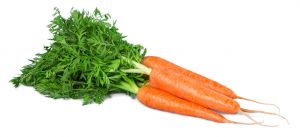
Carrots are an excellent tool for fighting free radicals and reducing the signs of premature aging. You will need to steam and mash carrots before you can reap the benefits. After steaming, mix with a little coconut oil and honey to make an all nature age-fighting mask that will hydrate your skin and leave it glowing. After applying the mask, let it sit on your face for about twenty minutes and rinse it off with cool water.

Chia seeds

I love to eat chia seeds in just about anything. They are high in calcium, protein, healthy fat and antioxidants. They make an amazing skin care ingredient because of the nutrient-rich profile. They work deeply to moisturize skin and extinguish irritations. I mix chia seeds with coconut milk to make a fabulously luxurious face mask. Let the mask sit on your face for about fifteen minutes and rinse off with cool water.

Parsley

I have saved the strangest food for the last – parsley. Who would have ever thought of putting an herb like parsley on your face? Parsley is loaded with vitamins and nutrients which help to balance out skin discoloration, help fade any dark spots or acne scars. To benefit from parsley, chop the herb and mix with grapeseed oil and coconut sugar to make a face scrub. Scrub your face with the mixture and rinse with cool water. Follow up with a light layer of coconut oil.

There you have it! Seven foods that are amazing for your skin and face. No more expensive or toxic moisturizers or cleaners needed!

-Susan Patterson


Why You Should Eat Real Butter and How to Eat More

October 4, 2017 By Susan Patterson

When we think of superfoods, we are regaled by mental images of crunchy kale, tart goji berries, and succulent avocados.

We rarely consider butter. However, organic grass-fed butter truly embodies the characteristics of a superfood, and, while it may seem counterintuitive, deserves a starring role on your household menu.

It is a crying shame that for years, Americans have been taught to fear butter and avoid it like the plague, in favor of imposter margarine – which, by the way, contain dangerous trans fats and other unhealthy additives.

Luckily, public opinion of organic butter and other healthy saturated fats is changing, now that more and more research is discovering that they are not linked to heart disease after all.

 An analysis performed this past summer by the University of Cambridge surveyed 72 studies involving a total of 600,000 people from 18 different countries, and found no link between saturated fats and heart disease. In fact, the more testing that is done on healthy, natural saturated fats, such as come from grass-fed butter and organic coconut oil, the more health benefits of these fats are being found.

The dietary cholesterol found in butter actually functions as a potent antioxidant, which can help to reduce disease-promoting inflammation throughout the body. Butter also contains vitamins A, D, E and K2, as well as the minerals iodine, lecithin and selenium.

These nutrients, along with the short and medium-chain fatty acids found in butter, can help improve digestion, boost immune system function, and may actually protect against heart disease.

Additionally, the iodine found in butter is highly absorbable, and essential for proper thyroid function.

But wait: not all butter is created equal. While organic, grass-fed butter is a nourishing superfood, conventionally manufactured butter is made using milk from cows fed genetically modified grains.

Not only does this pose the risk of genetically modified material ending up in your butter, thereby entering your body, it also compromises the nutrition of the butter itself. This is because grains are not a natural diet for cows, and when they are not allowed to dine on grasses, their milk becomes nutritionally depleted.

So, now that we’ve got the butter facts straight, here are three ways that you can get more of the golden goodness into your diet.

Put it in your coffee

Pouring a freshly-brewed cup of organic coffee in the blender and whipping it up with some unsalted grass-fed butter can make a wonderful concoction that will provide you with tons of energy throughout your day.

You will get the vitamins and minerals that butter contains along with your morning caffeine, and the healthy fats will keep you satiated and help to stop cravings in their tracks.

Plus, you’ll add the many nutrients in butter to the benefits of coffee itself – and there are many!

Add it to your oatmeal

To add some oomph to your breakfast, melt a square of butter over your oatmeal. Organic, steel-cut oats are a wonderful source of fiber, which not only keeps you feeling full, but is very important for health. Adding the benefits of butter means your body will be pampered from the inside by not only fiber but healthy fat – perfect sustenance for a busy day.

Additionally, oatmeal and butter is a perfect, gluten-free breakfast cereal alternative. Just make sure you are buying organic, steel-cut oats or raw oat groats, with no additives, which may contain gluten and other preservatives you don’t want in your bowl.

Note: while non-contaminated oats are considered gluten-free, there is a protein in oats, called Avenin, which causes a negative reaction in approximately 5% of people with celiac disease.

Drizzle over fresh, organic veggies

Research has found that butter can actually unlock many of the nutrients found in your favorite veggies, making them more available to your body. This is because many vitamins and minerals are fat-soluble, and eating them without fat may not allow your body to absorb their full benefits.

A 2009 study published in the International Journal of Environmental Research and Public Health tested the cardioprotective effects of fruits and vegetables with and without high-fat dairy products such as butter. The researchers concluded:

“Daily intake of fruit and vegetables was associated with a lower risk of coronary heart disease when combined with a high dairy fat consumption … but not when combined with low dairy fat consumption.”

Organic butter has been a celebrated staple in many cultures since ancient times, and for very good reason. Isn’t it time you joined the club.

-Susan Patterson

9 Reasons You Should Eat More Blueberries

September 27, 2017 By Susan Patterson

I love blueberries. They are visually appealing, fun to eat and a wonderful addition to any healthy diet. Blueberries are a staple in my home and they should be in yours as well. Here are just nine reasons why you should eat more blueberries.

Blueberries fight inflammation

Chronic inflammation is the root of all sickness. It causes skin problems, joint problems, metabolic syndrome, arthritis and more.  In one study it was found that obese rats that ate the equivalent of two cups of wild blueberries per day for eight weeks had markedly lower inflammation levels than those that did not consume the berries.

Blueberries are good for your brain

If you want to keep your brain sharp, eat more blueberries. Flavonoids in the berries protect cells in the body including neurons in the brain that transmit thoughts, feelings, and memories. Keeping these nerve cells healthy will help your brain function at its best. According to research, a diet rich in blueberries will enhance not only memory but also balance and coordination.

Blueberries can make you feel great

Because they increase the production of feel-good dopamine, blueberries are a great way to lift your spirits naturally. They may also help reduce the onset and symptoms of Parkinson’s disease because of the dopamine.

Blueberries are great for your skin

Organic wild blueberries contain vitamin A and C and are great for the healthy skin, including collagen, your skin’s support structure. Consuming foods rich in these nutrients can help reduce wrinkles, sagging skin and dark circles.  Berries also contain water, which keeps skin hydrated and young looking.

Blueberries protect you from serious disease

Because of the potent flavonoid antioxidant, anthocyanin, blueberries can protect you from some very serious illnesses such as cardiovascular illness, neurodegenerative disease, and cancer.

Blueberries can help burn fat

Blueberries contain catechins that can activate fat-burning genes in abdominal fat cells. When combined with a healthy diet and regular exercise, these little berries are a powerful tool to help reduce belly fat, in particular. Research from Tufts University found that consuming catechins on a regular basis increases abdominal fat loss by 77 percent and doubles total weight loss. Now that’s reason enough in itself to eat more blueberries!

Blueberries protect the brain from environmental toxins

Blueberries contain natural phytonutrients called proanthocyanidins, which can protect the watery and fatty parts of the brain from harmful environmental toxins.

Blueberries can help reduce pain

Blueberries contain salicylic acid – a natural form of aspirin. Salicylic acid can thin the blood and reduce pain.

Blueberries are portable and delicious

Besides all of their rich nutritional and therapeutic value, blueberries are just downright delicious. Not only that, they are easy to take along with you and make a wonderful travel or office snack. They are, hands down, one of the best stand-alone fruits you could include in your diet.

Some great things to do with blueberries

  • Freeze them for your smoothies
  • Add banana and apples for a mixed fruit salad
  • Mix blueberries with your favorite organic granola
  • Make gluten-free blueberry muffins
  • Add blueberries to seltzer water for a refreshing drink
  • Add blueberries to your favorite organic yogurt
  • Mix blueberries with cottage cheese or your favorite organic yogurt

-Susan Patterson


Why You Should Throw Away Your Gym Membership (And What to Do Instead)

September 21, 2017 By Susan Patterson

Getting in shape might mean getting a gym membership. But are you really sure that’s how you want to spend your hard-earned cash? I know, this time it will be different, right? You’ll hit the gym four, maybe five times a week. But, then it turns into twice a week. And twice a week turns into twice a month. And, twice a month turns into… you get the picture. Here are some reasons why you should seriously think about ditching your gym membership, and what you can do instead.

Memberships are pricey

You’re probably spending about $800 per year on your gym membership. But realistically, you’re wasting half or more of your fees by simply not showing up. I know this because 67 percent of gym members don’t go to the gym, according to Statistic Brain. Even more people don’t use their memberships regularly.

According to the 2005 study, the average gym attendance is lower than 4.8 times per month. And, guess what? Your “no-show” is greatly appreciated. Commercial gyms create their business model around people who don’t attend regular workout sessions. That’s because, according to Planet Money, commercial health clubs need 10 times as many members as they can actually fit in their gym to make money. Low-cost gyms are the biggest example of this.

Let’s take Planet Fitness. They average about 6,500 members per gym. Yet, the average gym only holds about 300 people. In fact, it’s for this reason that most gyms target people who they believe won’t show up. Just think about that next time you’re tempted to sign on the bottom line.

It’s almost impossible to cancel

The two most dreaded contracts to break are phone contracts and, of course, health club contracts. And anyone who’s ever tried to get out of gym membership knows all too well how painful that experience is. According to CNBC, there’s an obvious trend between when people stop going to the gym and when they cancel. That’s because gym cancellation procedures generally require you to jump through hoops to cancel, like having you show up in person and supplying a certified letter. Even then, there’s no guarantee the automatic withdrawals won’t continue to leak from your bank account or credit cards.

Germaphobes beware

Okay, so there may be more hanging out at the gym than you, and that creepy gym stalker. A study on gym cleanliness found that free weights actually had 362 times more germs than the average toilet seat. Germs are everywhere, but fitness facilities, in particular, can be hotspots for bacteria to flourish. Every time you pick up a weight or grab an exercise bike handle, you’re at risk of catching an illness or infection, according to the study.

Another study published in the journal MDPI found several potential disease-causing bacteria. Thanks to the poor hygiene of gym membership or poor cleaning practices, bacteria such as Staphylococcus aureus (often found in skin infections), Staphylococcus saprophyticus (which can cause urinary tract infections) and salmonella (a common cause food poisoning) were found.

The gym can be a little boring

Let’s face it, most people don’t find walking on a treadmill while staring at a wall fun. The gym can be very boring. If it wasn’t, we’d all be there standing in lines to get in, like it was the hottest nightclub in town. Enough said.

Going to the gym takes a huge chunk out of your day

The average number of times a gym membership owner goes to the gym is twice a week, according to Statistic Brain. One probable reason: it takes a huge chunk out of the day! I’m not saying that exercising isn’t worth your time — it is. Yet, between the drive to and from, exercising for at least one hour, not to mention the showering and blow drying, “gym time” uses up a lot of your time.

 So, what can you do instead?

We all need exercise. Without it, we would have a hard time maintaining our weight and combatting conditions like heart disease, high blood pressure, and high cholesterol. But while it may seem like working out at the gym is the only way to get in shape, it’s not the only option. Here’s what you can do instead:

Build your own home gym

You can build a home gym for less money than you might think. But just remember, it may be hard to commit to working out at home when your kids are screaming for dinner. So, set aside time each day for exercising in a space that’s your own. Preferably, you want a dedicated room with a door that you can close so your workout isn’t interrupted. You can add a stereo to block out distractions, a few floor mats and least one full-length mirror so you can see yourself from head to toe. And, don’t forget, you can wear whatever you like.

With a home gym, you have no more excuses, like “I don’t have time,” “It’s too cold outside to go to the gym,” “It’s too hot outside to go to the gym” or “My car broke down.” When you have a home gym, none of these excuses apply.

Take it outdoors

No home gym, no worries. Exercise is always better with fresh air. Working outdoors is a great mood lifter. According to Science Daily, doing exercises like nature walks are linked with significantly lower depression, less stress and enhanced mental health and well-being. And with all that resistance to wind and uneven ground, you’re sure to burn more calories.

Check out YouTube

YouTube is a great resource for hundreds of free video tutorials for everything from yoga to strength training, to so much more. You can even search “exercise tutorial” on Pinterest, and you’ll find hundreds of easy-to-follow exercise routines. Search “fitness” on Instagram and you’ll find even more videos and image tutorials.

Workout apps galore

There are hundreds of smartphone apps available that can also help you get in shape at home — without ever having to set foot in a gym. Look, why waste your money on a gym membership? For some people, joining a gym may not even fit into their budget. Either way, you can always exercise at home, indoors or outdoors, for less money and fewer germs, when the mood strikes. And that means your workout sessions will be a lot more fun!   

-Susan Patterson

  • « Previous Page
  • 1
  • …
  • 27
  • 28
  • 29
  • 30
  • 31
  • 32
  • Next Page »

Recent Articles

  • Use 1 Drop Of This Oil To Improve Vision June 22, 2026
  • Why I Stopped Showering Every Day June 22, 2026
  • This Anti Aging Eye Cream With Coconut Oil Really Works June 21, 2026
  • COVID-19 Vaccine Update: The Truth About Omicron (7 Things You Need To Know Before Getting Vaccinated) June 20, 2026
  • COVID 19 Vaccine Update (9+ Things You Should Know Before Getting Vaccinated) June 19, 2026
  • Start Eating These 7 Foods Now to Build Your Winter Immunity June 18, 2026
  • 7 Things That Happen to Your Body if You Stop Having Sex June 17, 2026
  • Is Dead Vagina Syndrome Real? Plus, 4 Ways To Boost Your Libido June 17, 2026
  • About
  • Terms of Service
  • Privacy Policy
  • Contact Us

© Tropical Health. All rights reserved.

Subject:
Message:
Ajax loader
Manage Cookie Consent
We use cookies to optimize our website and our service.
Functional cookies Always active
The technical storage or access is strictly necessary for the legitimate purpose of enabling the use of a specific service explicitly requested by the subscriber or user, or for the sole purpose of carrying out the transmission of a communication over an electronic communications network.
Preferences
The technical storage or access is necessary for the legitimate purpose of storing preferences that are not requested by the subscriber or user.
Statistics
The technical storage or access that is used exclusively for statistical purposes. The technical storage or access that is used exclusively for anonymous statistical purposes. Without a subpoena, voluntary compliance on the part of your Internet Service Provider, or additional records from a third party, information stored or retrieved for this purpose alone cannot usually be used to identify you.
Marketing
The technical storage or access is required to create user profiles to send advertising, or to track the user on a website or across several websites for similar marketing purposes.
  • Manage options
  • Manage services
  • Manage {vendor_count} vendors
  • Read more about these purposes
View preferences
  • {title}
  • {title}
  • {title}
Manage Cookie Consent
We use cookies to optimize our website and our service.
Functional cookies Always active
The technical storage or access is strictly necessary for the legitimate purpose of enabling the use of a specific service explicitly requested by the subscriber or user, or for the sole purpose of carrying out the transmission of a communication over an electronic communications network.
Preferences
The technical storage or access is necessary for the legitimate purpose of storing preferences that are not requested by the subscriber or user.
Statistics
The technical storage or access that is used exclusively for statistical purposes. The technical storage or access that is used exclusively for anonymous statistical purposes. Without a subpoena, voluntary compliance on the part of your Internet Service Provider, or additional records from a third party, information stored or retrieved for this purpose alone cannot usually be used to identify you.
Marketing
The technical storage or access is required to create user profiles to send advertising, or to track the user on a website or across several websites for similar marketing purposes.
  • Manage options
  • Manage services
  • Manage {vendor_count} vendors
  • Read more about these purposes
View preferences
  • {title}
  • {title}
  • {title}