

Tropical Health

  • Wellness
  • Remedies
  • Recipes

Never Eat These 11 Dry Cereals — Here’s Why

June 2, 2026 By Michael Ross

Like many people in the Baby Bust generation, I grew up on dry, boxed cereal. Sure, my mom would make bacon and eggs, waffles or even homemade donuts on weekends or other special occasions, but for the most part, we ate a vast array of sugar-coated and very tasty cereal with brightly colored boxes and even some cool toys.

Cereal was the very first processed food that was designed to make eating easier — not necessarily healthier. After all, cereal requires no preparation or cooking. Cereal made it possible for moms to feed her family and get ready for work herself. But at what cost?

Cereal has been referred to as the biggest success story of the modern food industry. Well-known author and speaker Michael Pollan says this, ” Breakfast cereals in many ways are the archetypal processed food product of modern capitalist food economics.”

Cereal advertising at its best (WORST)

Catchy, fun and oh so alluring, food manufacturers have never skimped on their budget when it comes to cereal ads. As a kid, I can remember choosing my weekly cereal solely on the advertisements.

Millions of dollars are spent annually on advertisements that not only aggressively target children but also convince adults that dry cereals are a healthy and economical food choice. There are contests, online games, celebrity endorsements and catchy jingles to draw us in. Of course, none of us have time, as the advertisers would like us to think, to prepare real food for our family. Why would we if there is a packaged wonder like dry cereal that can provide all of the nutrients we need to get our day started? If only this were true.

New York University (NYU) nutrition professor Marion Nestle summarizes the problem with so many of today’s boxed breakfast cereals: “Cereal companies have spent fortunes on convincing parents that a kid’s breakfast means cereal, and that sugary cereals are fun, benign, and all kids will eat… No public health agency has anywhere near the education budget equivalent to that spent on a single cereal. Kids should not be eating sugar for breakfast. They should be eating real food.”

What cereal really is

In reality, cereal is merely a smart packaging of some really cheap commodities like sugar and corn mixed with some even cheaper additives like artificial flavors and colors. Don’t be fooled! These highly processed food fakes have no real nutrients. Most are even sprayed with vitamins and minerals, and sometimes fortified with protein.

You may be familiar with attractive claims on cereal boxes stating such as “All Natural,” “Low Fat,” “Essential Vitamins,” “Good Source of Vitamin A” and more. Even these so-called “healthy” cereals are loaded with synthetic and even toxic additives that make them no more fit for a dog’s bowl than your breakfast table.

GMOs are a real threat

Not only are boxed cereals loaded with unhealthy additives, they are often made from genetically modified (GMO) ingredients. According to Consumer Reports, “There is global scientific agreement that genetic engineering has the potential to introduce allergens and toxins in food crops, to change the nutritional value, and to create other unintended changes that may affect human health.”

According to the USDA, the following represents a total percentage of genetically modified cotton, soybean, sugar beet, canola and corn crops grown in the U.S.

  • Cotton (for cottonseed oil): 94 percent
  • Soybeans: 93 percent
  • Sugar Beets: 90 percent
  • Canola: 88 percent
  • Corn: 88 percent

What’s worse, some food manufacturers even acknowledge that they use genetically modified ingredients.

General Mills

General Mills makes this claim on their website: “Because U.S. farmers use GM seed to grow certain crops, 70 percent of foods on U.S. grocery store shelves likely contain GMO ingredients. As a result, if an American food or beverage product lists corn, soy, canola, cottonseed or beet sugar as an ingredient, and if it’s not organic, it likely contains GMOs.”

Note: As of February 2015,  General Mills has spent over $3.6 million to fight GMO labeling initiatives in the U.S.

Quaker

In February of 2015, representatives from Quaker representatives sent this email to Food Babe regarding GMO’s:

“We do not require or exclude the use of these ingredients, so we don’t require our suppliers to provide this information. As a result, we cannot give you a definitive yes or no answer. That said, we’re glad for the chance to provide some clarification about genetically modified ingredients. When it comes to safety, the FDA has determined that foods developed through this process are no different than foods developed by traditional plant breeding. And in fact they conclude that these Genetically Modified foods don’t differ from other foods in any meaningful way. Finally, all of our products (worldwide) comply with all applicable food laws and labeling requirements.

Note: As of February 2015, Quaker’s parent company, Pepsico, has spent over $8.8 million to fight GMO labeling initiatives in the U.S.

Kellogg’s

Kellogg’s representatives also sent an email to Food Babe regarding their use of GMO’s.

“Since the majority of our ingredients come from U.S. farms and GM crops have been grown in the U.S. for the past 20 years, our foods likely include ingredients derived from GM crops in the same proportion that they occur in the U.S. food supply.”

Note: As of February 2015, Kellogg’s had spent over $1.8 million to battle GMO labeling initiatives in the U.S.

Noticing a trend? Here are some top dry cereals to avoid:

Honey Smacks

This sickeningly sweet concoction leads the EWG’s list of “10 Worst Children’s Cereals” based on sugar content alone. This cereal is comprised of a whopping 56 percent sugar by weight.

This means that one cup of Smacks actually has more sugar than a Twinkie. On this statistic, Dr. Andrew Weil, a health expert, comments, “The fact that a children’s breakfast cereal is 56 percent sugar by weight — and many others are not far behind — should cause national outrage.”

Honey Smacks also contain trans fats in the form of hydrogenated or partially hydrogenated soybean oil. This is listed in the ingredients, but not calculated into the fat percentage on the nutrition label.

A few years ago, the FDA decided that trans fat content only needs to be listed if the food contains 0.5 grams or more per serving. If trans fats are included, but in less than this concentration, it can be listed as zero percent. This is absolutely egregious because, as we all know, servings add up.

Another ingredient featured in Honey Smacks is BHT or butylated hydroxytoluene. Used as a preservative, BHT is also used in jet fuel, petroleum products, rubber and embalming fluid. It also shares chemical properties with toluene, a highly toxic solvent that has been linked to neurological problems when inhaled.

If this weren’t enough, Honey Smacks have less than one gram of fiber.

Froot Loops

The very first ingredient on the nutrition label on a box of Froot Loops is sugar. In fact, this cereal weighs in at 41.4 percent sugar by weight. Froot Loops also contains trans fat and BHT. It does have several “natural fruit flavors,” but there is absolutely no real fruit.

Froot Loops is, in fact, a rainbow of artificial colorings: red 40, blue 1 and 2, and yellow 6, to be specific. Artificial colorings have been linked to hyperactivity in children by multiple studies. They are potential triggers of mild to severe allergic reactions, especially in those sensitive to aspirin.

Additionally, blue 2 has been linked to cancer in lab rats in some experiments. Red 40 is under investigation by some researchers as a possible carcinogen. Yellow 6 has been linked by some studies to cancer of the adrenals and kidneys, and also to digestive issues.

One other potentially harmful — and untested — component of Froot Loops: GMO corn. As 85 percent of the corn and soy grown in the United States today is genetically modified, products containing non-organic corn are very often made of GMO varieties.

Apple Jacks

Sugar, not apples, is the first ingredient in Apple Jacks, followed by corn flour (most probably GMO), wheat flour (possibly GMO), oat flour, more sugar in the form of high fructose corn syrup, then salt.

While apple juice and dried apples are included, the pesticides that non-organic apples introduce in the mix could outweigh the health benefits of the fruit. Apple Jacks contains 42.9 percent sugar by weight, less than one gram of fiber, and nearly 130 grams of sodium per serving. Apple Jacks also contain BHT, blue 1 and red 40.

Golden Crisps

Coming in at second place on the EWG’s “10 Worst Children’s Cereals List,” Golden Crisp is 51.9 percent sugar by weight. It also contains trans fat (even if the label says zero), caramel color and almost no fiber.

French Toast Crunch

You are far better off to have a piece of real French toast drizzled with organic maple syrup than you are to have a bowl of this sugary mess. This cereal gets 40 percent of its calories from sugar and contains processed corn syrup, refined syrup plus flavor and color additives.

Reese’s Puffs

Right away, you should know that this is not going to go well — this cereal is named after a candy that is packed with sugar and useless calories. This cereal is just a slight improvement over the peanut butter cup. However, it contains yellow 5 and 6. In addition, 33 percent of all calories in this cereal come from sugar.

Lucky Charms

These so-called magically delicious charms are not so lucky after all. Lucky Charms may have whole grains as the first ingredient, but this is quickly followed by marshmallows (a.k.a. sugar), modified corn starch, corn syrup, dextrose, gelatin, artificial dyes and flavors. Just one cup of these unlucky charms will provide the American Heart Association’s daily added sugar limit for one day. As you can see, it has next to no nutritional goodness.

Rice Krispies

Rice Krispies made the list because they are often seen as a “healthier” option due to the significantly lower sugar content. While it is true that Rice Krispies won’t spike blood sugar like many other cereals, it is anything but healthy. It contains trans fats, BHT, soy ingredients, possible GMO grains and absolutely no fiber.

Raisin Bran

Yes, Raisin Bran may be the best of the worst but that is not really saying much. It contains 18 grams of sugar and 46 grams of carbohydrates. In total, 38 percent of all calories in this cereal come from sugar.

JIF Peanut Butter Cereal

Kellogg’s is responsible for this fake peanut butter breakfast catastrophe. With 40 percent of all calories coming from sugar, this cereal also contains hydrogenated vegetable oil.

Corn Pops

A Kellogg’s favorite, Corn Pops don’t have any fat and less than 10 grams for sugar, but they contain very dangerous hydrogenated oils. These are known to cause elevated bad cholesterol, strokes and even heart attacks. To give the pops their lovely golden shade, Annatto is used. Although this is considered a natural dye, studies have shown that this dye can cause just as many allergic reactions as synthetic dyes.

If you must have cereal, try these

If it is completely necessary that you consume dry cereal, here are some brands that are not made with GMOs. They are also generally free of pesticides and healthier than other boxed offerings:

  • Go Raw
  • Kais Foods
  • Laughing Giraffe
  • Lydia’s Organic
  • Ambrosial Granola
  • Nature’s Path Organics

The best option

Of course, the best possible option for all meals is to eat real, whole and organic food. Although it may take a few minutes to prepare, real food is loaded with nutrients that your body needs to thrive. It is worth it every time!
Stop Adding These 6 Things in Your Coffee

May 20, 2026 By Michael Ross

Many popular coffee additives marketed as “healthy,” “sugar-free,” or “high-protein” may quietly contribute to inflammation, digestive issues, energy crashes, and even stubborn weight gain. Here are some of the worst offenders — and what to use instead.

1. Artificial Creamers

Most non-dairy creamers are loaded with highly processed oils, fillers, and synthetic ingredients — including hydrogenated oils, corn syrup solids, emulsifiers, and artificial flavors. These additives may irritate the gut, spike blood sugar, and contribute to inflammation over time.

Better option: Real cream, unsweetened coconut milk, or grass-fed half-and-half.

2. Seed Oils

Many flavored creamers and ready-made coffee drinks contain industrial seed oils like soybean, canola, and sunflower oil. These are heavily processed and often high in omega-6 fats, which may promote inflammation when consumed in excess.

Better option: Grass-fed butter, MCT oil, or coconut milk.

3. Sugar Substitutes

“Sugar-free” doesn’t always mean healthy. Artificial sweeteners like sucralose and aspartame may disrupt the gut microbiome and increase cravings in some people. Even certain “natural” alternatives can cause bloating or digestive discomfort.

Better option: Raw honey, monk fruit, or cinnamon for natural sweetness.

4. Moldy Coffee Beans (Mycotoxins)

Few people realize that low-quality coffee beans can contain mold toxins called mycotoxins. Poor storage and processing methods may allow mold compounds to develop — potentially contributing to fatigue, brain fog, and inflammation in sensitive individuals.

Better option: Look for organic, third-party tested coffee brands.

5. Flavored Syrups

Popular syrups often contain high-fructose corn syrup, artificial dyes, preservatives, and chemical flavorings. These ingredients can quickly turn your morning coffee into a dessert-like sugar bomb.

Better option: Vanilla extract, cocoa powder, or cinnamon.

6. Collagen (Sometimes)

Collagen itself isn’t necessarily bad — but many flavored collagen powders contain hidden sugars, artificial sweeteners, and gums and fillers. Adding collagen to extremely hot coffee may also damage some of its protein structure.

Better option: Choose clean, unflavored collagen and let your coffee cool slightly before mixing.

What SHOULD You Put in Coffee?

Some ingredients may actually support energy and metabolism, including cinnamon, cacao, grass-fed cream, unsweetened almond or coconut milk, turmeric, and MCT oil. The key is keeping your coffee simple and avoiding ultra-processed additives disguised as “health foods.”

7 Signs Your Kidneys May Be Struggling

May 20, 2026 By Michael Ross

Most people rarely think about their kidneys…

But these two small organs quietly help regulate some of the body’s most important functions every single day — from filtering waste and balancing fluids to supporting circulation and healthy blood pressure.

The problem is that kidney issues often develop slowly and silently. In many cases, the body begins sending subtle warning signs long before a serious problem appears.

Unfortunately, symptoms like swelling, fatigue, nighttime urination, and changes in urine are often dismissed as “just getting older.”

Here are seven warning signs your kidneys may be struggling — and why they may deserve closer attention.

1. Foamy Urine

One of the earliest and most overlooked kidney warning signs may actually appear right in the toilet bowl.

Occasional bubbles are harmless. But urine that consistently looks foamy, frothy, or unusually bubbly may sometimes indicate excess protein leaking into the urine — something doctors call proteinuria.

Healthy kidneys normally keep protein inside the bloodstream. But when the kidneys become stressed or damaged, some of that protein may begin escaping into the urine instead. People with diabetes, high blood pressure, circulation issues, or obesity may face a higher risk of this happening over time.

2. Swollen Feet, Ankles, or Legs

Persistent swelling is one of the most common warning signs many adults notice first.

When the kidneys struggle to regulate fluid balance properly, excess fluid may begin collecting in the lower body. Some people notice their socks leaving deep marks around the ankles by evening, while others feel like their shoes suddenly fit tighter than usual.

This fluid buildup — often called edema — may slowly worsen over time. And while many adults assume swelling is simply part of aging or standing too long, kidney function may sometimes play a role beneath the surface.

3. Frequent Nighttime Urination

Waking up once during the night to urinate can be normal.

But repeatedly waking several times each night may sometimes signal changes in kidney or bladder function. Some adults begin noticing stronger urgency at night, lighter sleep, and increasing daytime fatigue as the problem progresses.

Because the kidneys play a major role in fluid regulation around the clock, changes in urination patterns may occasionally reflect something more than “just getting older.”

4. Fatigue and Low Energy

Healthy kidneys help remove waste products from the bloodstream.

When that filtration process becomes less efficient, waste may begin accumulating in the body — potentially contributing to:

  • exhaustion
  • weakness
  • brain fog
  • poor concentration
  • reduced stamina

Kidney problems may also affect red blood cell balance, which can further increase fatigue levels.

Many adults brush off these symptoms as “just aging,” when something deeper may be happening.

5. Puffiness Around the Eyes

Swelling doesn’t always show up in the legs first.

Some people notice puffiness around the eyes or swelling beneath the eyelids, especially in the morning. In certain cases, this may be connected to fluid retention or protein imbalance linked to kidney stress.

While occasional puffiness can be harmless, persistent swelling around the eyes may deserve closer attention — particularly when combined with other symptoms like fatigue or swelling in the feet.

6. Dry, Itchy, or Tight Skin

Your kidneys help maintain healthy mineral and fluid balance throughout the body.

As kidney function changes, some people develop:

  • dry skin
  • persistent itching
  • irritation
  • rough patches
  • tight-feeling skin

This can happen when waste products and mineral imbalances begin affecting the skin from the inside out.

Many adults mistakenly treat only the skin itself without realizing the root cause may be internal.

7. Changes in Urine Color or Smell

Urine can naturally change from day to day depending on hydration, diet, vitamins, and even certain medications.

But persistent changes in color, odor, cloudiness, or appearance should never be ignored.

Dark yellow urine may simply point to dehydration, while cloudy urine can sometimes signal infection or inflammation. Pink, red, or rust-colored urine may occasionally indicate blood in the urine, kidney stones, or irritation somewhere in the urinary tract.

Some people also notice unusually strong-smelling urine as kidney or bladder issues begin developing.

While many causes are harmless, ongoing changes — especially when combined with swelling, fatigue, or nighttime urination — may deserve medical attention.

What Puts Stress on the Kidneys?

The kidneys work around the clock filtering waste, balancing fluids, and helping regulate blood pressure.

Over time, several everyday factors may quietly increase strain on these organs. High blood pressure and elevated blood sugar are among the most common contributors, especially as people age. Dehydration, excess sodium, smoking, obesity, chronic inflammation, and poor circulation may also affect kidney health over time.

Certain medications can play a role as well. In particular, long-term or excessive use of some pain relievers may place additional stress on the kidneys in certain individuals.

How to Support Healthy Kidney Function

Experts say simple daily habits may go a long way toward supporting long-term kidney health.

Staying hydrated is one of the most important steps, along with supporting healthy blood pressure and circulation. Many experts also encourage limiting ultra-processed foods, reducing excess sugar and sodium, staying physically active, and avoiding smoking whenever possible.

Foods rich in potassium may help some individuals maintain healthy fluid balance, though people with existing kidney disease should always speak with a healthcare provider before making major dietary changes.

Kidney problems rarely appear overnight.

In many cases, the body sends subtle warning signs for months — or even years — before more serious symptoms begin developing. Changes like swelling, foamy urine, fatigue, nighttime urination, and fluid retention are often dismissed as “normal aging,” even when something deeper may be happening beneath the surface.

Recognizing these signs early may help people take steps to support their kidney, circulation, and overall health before larger problems arise later on.

Why You Should Never Hover Over a Public Toilet (Do This Instead)

May 13, 2026 By Michael Ross

Public restrooms make most women uncomfortable — and hovering over the seat has become almost second nature. It feels cleaner, safer, more hygienic. But here’s the problem: hovering may actually be doing more harm to your bladder and pelvic floor than simply sitting down.

Here’s what’s really happening when you hover — and what to do instead.

What Hovering Actually Does to Your Body

When you squat and hover over a toilet seat, your pelvic floor muscles don’t fully relax. They stay partially engaged, almost braced, because your body is holding a physical position mid-air.

For your bladder to empty properly, those muscles need to let go completely. When they can’t, you’re often forcing urine out against resistance — straining without realizing it — or leaving urine behind in the bladder.

Over time, this can contribute to incomplete bladder emptying, increased urgency, pelvic floor tension, and a higher risk of UTIs from residual urine sitting in the bladder.

The Hygiene Argument Doesn’t Hold Up

The reason most women hover is fear of germs. But research consistently shows that toilet seats are not a significant route of transmission for most infections. The bacteria that cause UTIs — primarily E. coli — come from your own body, not the seat beneath you.

Ironically, the hovering habit that’s meant to protect you may actually be increasing your UTI risk by preventing full bladder emptying.

What Incomplete Emptying Does Over Time

When urine isn’t fully cleared from the bladder, bacteria have more opportunity to grow. This is one of the reasons some women experience recurring UTIs despite doing everything else right — their bladder never fully empties because of how they use the bathroom.

Chronically incomplete emptying can also stretch the bladder over time, disrupt its signaling, and contribute to urgency and frequency issues that feel a lot like an overactive bladder.

The Hovering-Pelvic Floor Connection

Your pelvic floor is a group of muscles that supports your bladder, uterus, and bowel. They need to contract and release properly to maintain bladder control, continence, and comfort.

Hovering keeps them in a state of low-level tension. If you hover regularly — at work, in restaurants, at the gym — you may be training your pelvic floor to stay guarded rather than release fully. Over time, a chronically tight pelvic floor can be just as problematic as a weak one, contributing to difficulty emptying, pelvic pain, and worsening bladder control.

So What Should You Do Instead?

Sit down. If the seat concerns you, use a paper seat cover or a few sheets of toilet paper. These create a barrier while still allowing you to sit fully and relax your pelvic floor the way it needs to.

When you sit, try to:

Keep your feet flat on the floor. Lean slightly forward with your hands on your knees. Relax your stomach and pelvic floor completely. Don’t push or strain — let your bladder empty on its own. Take your time and make sure you feel fully empty before standing.

This position allows your bladder to decompress naturally and your pelvic floor to release without tension.

What About Squatting?

True squatting — heels on the floor, knees above hips — is actually considered by many pelvic floor specialists to be an optimal position for full bladder and bowel emptying. It’s very different from the half-crouch hover most women do in public restrooms.

If you’re interested in this, a small step stool at home (often marketed as a squatty potty) can replicate this position and may support more complete emptying over time.

Hovering feels protective but it works against your body. Your pelvic floor needs to fully relax for your bladder to empty properly, and that can’t happen when your muscles are braced holding you up.

The cleanest thing you can do for your bladder health in a public restroom isn’t to hover — it’s to sit down, relax, and give your body the chance to do its job properly.

6 Warning Signs Your Body Isn’t Getting Enough Magnesium

May 4, 2026 By Michael Ross

Off the top of your head, do you know which foods are high in magnesium? Do you know how much you should be consuming on a daily basis?

I know I didn’t.

It wasn’t until recently that I made a comparison chart. For curiosity’s sake, I wrote down what I ate for two weeks and then compared those nutritional values to my recommended daily values. I was surprised to find that I was not eating enough fiber, omega-3 fatty acids and magnesium (which I later found out was a common deficiency).

Could you be one of the many individuals who are deficient in magnesium? Without being consciously aware, your body may be trying to tell you everything you need to know.

You need magnesium — here’s why

Luckily, my two-week magnesium deficiency wasn’t anything major. However, if I continued depriving my body of enough magnesium for the coming weeks, months or even years, minor warning signs could become major symptoms.

Overall, a low consumption of magnesium has been linked to everything from type-2 diabetes and hypertension to asthma and colon cancer. Considering approximately half of America does not currently eat the required amount of magnesium, the prevalence is overwhelming (some estimate this number to be as high as 72 percent).

Some experts agree that magnesium is one of the most overlooked minerals, yet it may be the single most important nutrient. Required for more than 300 unique chemical processes in the human body, it is shocking how common this deficiency is.

Signs you are not consuming enough magnesium

It can be tough to tell whether or not we’re giving our body everything it needs. We all try to eat a balanced, clean diet — but is it enough?

If you are an adult female, for instance, you require around 320 milligrams of magnesium daily. To put this in perspective, one cup of cooked quinoa provides around 118 milligrams — so it’s completely achievable. Once you begin to acknowledge the nutrients you need, it’s easy to adjust your diet accordingly.

If you have not been giving your body enough magnesium, there’s no better time than the present. This is particularly true if you’re experiencing any of the following six symptoms.

1. Muscle cramps and twitching

Magnesium is a key element of muscle relaxation. If you are deficient, you may find that your muscles remain in a constant state of contraction. This may not just lead to muscle cramps, but also muscle spasms and facial tics.

It is also important to note the role that calcium plays in relation to magnesium. If magnesium levels are low, higher levels of calcium will flow into cells. This will lead to hyperstimulation and in turn, cramping and twitching.

2. Increased feelings of anxiety

Many can relate to anxiety-related conditions, as they are the most common affective disorders within the general population. Magnesium has long been associated with such conditions and unfortunately, this can become a vicious cycle. Stress can magnify a deficiency, and a lack of magnesium can worsen stress.

The overall process is complex, based on key neurotransmitters and associated receptor activity in the brain. However, when it all boils down, these effects are based on an imbalance. When magnesium levels are imbalanced, this impacts GABA and glutamate levels, leading to neuronal hyperexcitability — a.k.a. feeling anxious!

3. Cravings — specifically for chocolate

When you crave something, this is often your body’s way of telling you that you are in need of certain nutrients. Some experts believe that chocolate cravings may actually be based on magnesium deficiencies. And no, that does not mean that you should go and eat a chocolate cake by yourself.

Even if you feel like chocolate cake, your body isn’t telling you to go and eat that. It’s telling you that you may need to increase your magnesium intake — a mineral found in dark chocolate. Believe it or not, just one square of dark chocolate can provide you with nearly one-quarter of your recommended daily intake.

Top tip: Opt for quality dark chocolate that is at least 75 percent cocoa.

4. Poor sleep

Tossing and turning lately? You may need a big ole helping of magnesium. As discussed, a deficiency may impact stress levels, which in turn, impact sleep quality. In fact, chronic insomnia is one of the core, central symptoms when dealing with a magnesium deficiency. If you do not get enough on a day-to-day basis, you will prevent your brain from “winding down” at night.

5. Constipation

Sensing a theme here in terms of magnesium and relaxation? Well, if you are struggling to go to the washroom, a lack of magnesium may be the underlying issue. If you do not consume enough magnesium, your digestive tract will contract more than normal. As you would expect, this can lead to constipation. Combine this with another common issue in the U.S. — dehydration — and you’ll really struggle to pass waste.

6. An irregular heartbeat

Although you may feel as though your heart has a mind of its own (think back to your first heartbreak), your heart is a muscle. As discussed, low magnesium levels will impact muscle contractions. This can result in irregular heartbeats as your heart battles to contract and relax in harmony.

From acid reflux to migraines, there are so many tell-tale signs — you just need to be willing to listen. If you believe that you are deficient in magnesium, focus on incorporating more spinach, chard, pumpkin seeds, almonds, black beans, dark chocolate and figs into your diet.

After all, spiritual leader, Sonia Choquette said it best, “To listen to your body and respect how it feels is a powerful act of self-love.”

It’s time to love yourself!

7 Foods That Secretly Irritate Your Bladder (And What To Eat Instead)

April 23, 2026 By Michael Ross

If you’ve been dealing with bladder leakage, urgency, or frequent bathroom trips — and you’ve already tried cutting back on water — you might be surprised to learn that what you’re eating could be making things significantly worse.

Most women focus on kegels and pelvic floor exercises when they’re dealing with bladder issues. But what goes on your plate (and in your cup) can have just as much impact as any exercise — sometimes more.

Here are 7 common foods and drinks that are known bladder irritants, plus what to eat instead to keep things calm.

1. Coffee — Even Decaf

This one hurts to hear, especially for coffee lovers.

Caffeine is a diuretic, which means it tells your kidneys to produce more urine — so you fill your bladder faster. But caffeine also directly irritates the bladder lining, increasing urgency signals even when your bladder isn’t full. The result? That sudden desperate need to go that feels impossible to ignore.

What makes this worse is that decaf coffee still contains small amounts of caffeine — and coffee has other acidic compounds that irritate the bladder independent of caffeine. Many women who switch to decaf find they still experience urgency.

Try instead: Herbal teas — particularly peppermint, chamomile, or ginger — are generally well-tolerated by the bladder. If you can’t give up coffee entirely, try cutting your daily intake in half and see if symptoms improve within a week.

2. Alcohol

Like caffeine, alcohol is a diuretic and a bladder irritant — a double hit that can significantly worsen leakage and urgency. Even one or two drinks in an evening can increase nighttime bathroom trips and make daytime control harder the following day.

Wine tends to be particularly problematic because it combines alcohol with acidity. Beer is slightly less irritating than wine for most women, though individual responses vary.

Try instead: Sparkling water with a splash of fruit juice gives you something festive without the bladder consequences. If you do drink, alternating alcoholic drinks with plain water slows absorption and reduces the irritant effect.

3. Artificial Sweeteners

This surprises most women because artificial sweeteners seem so harmless — no sugar, no calories, often marketed as a health choice.

But sweeteners like aspartame, saccharin, and sucralose are well-documented bladder irritants for many people. They can trigger urgency and frequency in women who have no problem with other foods. The mechanism isn’t fully understood, but the clinical evidence is consistent enough that pelvic floor specialists routinely ask patients to eliminate them as a first step.

This means diet sodas, sugar-free gum, light yogurts, and anything labeled “sugar-free” or “zero calorie” could be contributing to your symptoms.

Try instead: Small amounts of raw honey or pure maple syrup if you need sweetness. Your bladder will generally tolerate natural sugars much better than artificial substitutes.

4. Citrus Fruits and Juices

Oranges, grapefruits, lemons, limes, and their juices are highly acidic — and acid is one of the primary bladder irritants. For women with an already sensitive bladder, citrus can trigger urgency, frequency, and burning sensations even without an infection present.

This includes lemon water, which many women drink first thing in the morning as a health habit. If you’re dealing with bladder issues, that morning lemon water might be working against you.

Try instead: Pears, blueberries, and watermelon are low-acid fruits that are generally gentle on the bladder. Watermelon in particular has a high water content that keeps you hydrated without the irritant effect of citrus.

5. Tomatoes and Tomato-Based Foods

Tomatoes are acidic — similar to citrus — and a very common bladder irritant. This means pasta sauce, pizza, ketchup, salsa, and tomato soup can all trigger symptoms in sensitive women.

If you’ve noticed that certain meals seem to make urgency worse, a tomato-heavy dinner is often the culprit.

Try instead: For pasta dishes, try a olive oil and garlic base or a white cream sauce instead of marinara. For pizza, pesto is a lower-acid alternative to tomato sauce that still tastes rich and satisfying.

6. Spicy Foods

Hot peppers, chili, spicy curries, and anything containing capsaicin can directly stimulate bladder nerves, increasing urgency and frequency. This effect can last for several hours after eating, which is why spicy dinners often lead to a disruptive night.

Capsaicin is the compound that makes peppers hot, and it’s the same compound used in some topical pain creams because of how strongly it stimulates nerve endings. Applied to a nerve-rich organ like the bladder, it’s no surprise it creates urgency signals.

Try instead: Flavor food with herbs like basil, oregano, thyme, and rosemary — all of which are bladder-friendly and still make meals deeply satisfying.

7. Carbonated Drinks

Sparkling water, soda, and fizzy drinks of all kinds introduce carbon dioxide into the digestive system — and the pressure this creates can press on the bladder and increase urgency. For women who have already reduced caffeine and alcohol but are still drinking sparkling water throughout the day, this can be an overlooked contributor to their symptoms.

Even plain unflavored sparkling water can be problematic for women with a sensitive or overactive bladder.

Try instead: Still water with cucumber, mint, or a few slices of pear for flavor. Herbal iced teas are another great option for women who miss having something interesting to sip throughout the day.

How To Identify Your Personal Triggers

Every bladder is different. Some women can tolerate coffee but react strongly to citrus. Others find carbonated drinks are their main problem while tomatoes don’t affect them at all.

The most reliable way to identify your specific triggers is to keep a simple bladder diary for one week — noting what you eat and drink alongside any urgency or leakage episodes. Patterns usually become clear within a few days.

When eliminating foods, remove one category at a time and give it 5-7 days before assessing the impact. Removing everything at once makes it impossible to know what actually helped.

What Else Helps

Diet changes address one piece of the bladder puzzle — but for many women over 50, the underlying issue is a combination of weakened pelvic floor muscles, hormonal changes after menopause, and the cumulative effects of childbirth. No amount of dietary adjustment will fully resolve those factors on its own.

That’s why the most effective approach combines dietary changes with pelvic floor work, and practical solutions that let you live your life while you’re working on the longer-term fixes.

What I’ve Been Recommending Lately

While you’re working on eliminating irritants and strengthening from the inside, a lot of women in our community have been asking about a more immediate solution for the day-to-day anxiety of unexpected leaks.

The brand that keeps coming up is Cheeki — leakproof underwear that looks and feels exactly like regular underwear. Soft, seamless, and completely discreet. No bulk, no crinkle, no evidence under your clothes.

They use a 4-layer leakproof system built into OEKO-TEX certified fabric — tested free from harmful chemicals — which matters a lot when you’re wearing them against sensitive skin every day.

Each pair lasts over two years. So instead of spending $150+ a year on disposable liners that still leave you feeling anxious, you make one investment that covers you for every outing, every trip, every unexpected sneeze.

They put together a Confidence Kit specifically for women dealing with light bladder leakage — three different styles that cover you for active days, lighter days, and heavier days when you want total peace of mind. Free shipping on orders over $75, and the kit qualifies.

=> See the Confidence Kit here

Bladder irritants are one of the most overlooked factors in bladder leakage — and they’re also one of the easiest to address. You don’t need a prescription, a specialist, or a complicated routine. Start by eliminating your top two or three suspects for one week and pay attention to how your body responds.

Small changes in what you eat and drink, combined with the right support, can make a bigger difference than you might expect.

Why Kegels Alone Aren’t Enough — And What Women Over 50 Are Doing Instead

April 23, 2026 By Michael Ross

If you’ve ever been told “just do your kegels” and then faithfully squeezed your way through months of exercises with little to show for it — you are not alone.

Kegels get all the attention when it comes to bladder leakage. And while they do have real benefits, the truth is they’re only one small piece of a much bigger picture. For millions of women over 50, doing kegels consistently still isn’t enough to stop the unexpected leaks, the bathroom anxiety, or the constant second-guessing of every sneeze.

Here’s what’s actually going on — and what’s working for women who’ve tried everything else.

Why Kegels Don’t Always Work

Kegel exercises strengthen the pelvic floor muscles by repeatedly contracting and releasing them. In theory, stronger pelvic floor muscles mean better bladder control. Simple enough.

But here’s the problem: bladder leakage isn’t always caused by weak pelvic floor muscles.

There are actually four different types of urinary incontinence, and kegels only directly address one of them — stress incontinence, the kind triggered by sneezing, laughing, or physical activity. If your leakage is caused by an overactive bladder, nerve issues, hormonal changes, or structural factors related to aging and childbirth, kegels may offer minimal relief no matter how consistently you do them.

On top of that, many women actually do kegels incorrectly — without realizing it. Bearing down instead of lifting up, holding their breath, or tensing their abdomen and thighs instead of isolating the pelvic floor. Done wrong, kegels can actually make things worse by creating more tension in an already tight pelvic floor.

And even when done perfectly, kegels take months to show results — and require ongoing consistency to maintain those results. For women dealing with daily leakage, that’s a long time to wait.

What Actually Helps

The good news is that kegels aren’t the only tool available — and for many women, the most effective solutions aren’t exercises at all.

1. Bladder training

This involves gradually extending the time between bathroom trips to help your bladder hold more urine and reduce the urgency signals it sends to your brain. It sounds simple but it’s surprisingly effective for women with overactive bladder symptoms. Start by waiting just 5 extra minutes when you feel the urge, then gradually increase that window over several weeks.

2. Addressing hormonal changes

After menopause, declining estrogen levels cause the tissues of the urethra and bladder to thin and weaken — a condition called genitourinary syndrome of menopause (GSM). This can significantly worsen bladder leakage regardless of how strong your pelvic floor muscles are. Talking to your doctor about topical estrogen options (which have a very localized effect and minimal systemic absorption) can make a meaningful difference for many women.

3. Watching what you drink

Caffeine, alcohol, carbonated drinks, and artificial sweeteners are all known bladder irritants that can increase urgency and frequency. Simply reducing coffee or switching to decaf is enough to notice improvement for some women within days.

4. Pelvic floor physical therapy

This is not the same as doing kegels at home. A trained pelvic floor physical therapist can assess whether your pelvic floor is actually weak, tight, or uncoordinated — and give you a targeted program based on what they find. Many women are shocked to discover their pelvic floor is actually too tight, not too weak, and that relaxation exercises help more than contractions. If you can access a pelvic floor PT, it’s worth every penny.

5. Diaphragmatic breathing

Your diaphragm, pelvic floor, and deep core muscles all work together as a pressure management system. When you breathe shallowly — as most stressed, busy women do — that system gets out of balance and puts extra downward pressure on the pelvic floor with every breath. Learning to breathe deeply into your belly, letting your diaphragm fully descend and your pelvic floor gently expand with each inhale, can reduce that pressure significantly over time.

6. Managing constipation

Chronic straining during bowel movements puts enormous downward pressure on the pelvic floor and can worsen both bladder and pelvic organ prolapse over time. Keeping stools soft through adequate hydration, fiber, and movement is genuinely protective for your pelvic floor health.

7. Protective underwear that actually works

This one doesn’t fix the underlying issue — but it changes your daily experience while you’re working on the others. And that matters more than people give it credit for.

For decades, the only options were bulky pads or adult diapers — products that work but make you feel like you’ve given up on feeling normal. That’s changed significantly in recent years. Modern leakproof underwear has gotten genuinely good — soft, seamless, and completely discreet, with built-in absorbency that handles light to moderate leakage without any bulk or evidence.

The practical impact of this is bigger than it sounds. When you’re not anxious about leaking, you move more freely. You go to more places. You exercise more — which helps your overall pelvic floor health. You stop planning your entire day around bathroom proximity. The psychological relief alone is worth it.

Kegels are a useful tool, but they’ve been oversold as the solution to bladder leakage when the reality is much more nuanced. If you’ve been doing them faithfully without results, it doesn’t mean you’re doing something wrong — it may simply mean your leakage has a different cause that requires a different approach.

The most effective strategy combines multiple approaches: bladder training, addressing hormonal factors, identifying irritants in your diet, and working with a pelvic floor specialist if you can access one.

And in the meantime — while you’re doing all of that — there’s no reason to spend another day anxious about every sneeze.

What I’ve Been Recommending Lately

A lot of women in our community have been asking about leakproof underwear specifically, so I wanted to mention what I’ve been hearing good things about.

The brand that keeps coming up is Cheeki. What makes them different from older options is that they genuinely look and feel like regular underwear — soft, seamless, and completely discreet under clothes. No bulk, no crinkle, no evidence. They use a 4-layer leakproof system with OEKO-TEX certified fabrics, meaning no harmful chemicals against your skin.

Each pair lasts over two years, which means you’re not spending $150 a year on disposable liners anymore.

They put together a Confidence Kit specifically designed for women dealing with light bladder leakage — three different styles that cover you for active days, lighter days, and heavier days when you want maximum peace of mind. Right now they offer free shipping on orders over $75, and the kit qualifies.

If you’ve been dealing with unexpected leaks and you’re tired of planning your life around your bladder, it’s worth trying.

=> See the Confidence Kit here

Have you tried anything that’s helped with bladder leakage? Share in the comments below — our community always appreciates hearing what’s working for real women.

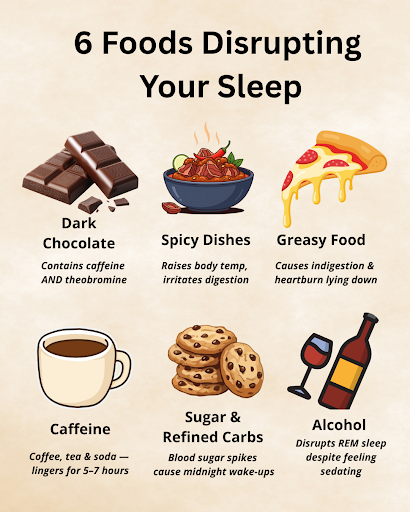
What You Eat at Night Is Quietly Wrecking Your Sleep

April 16, 2026 By Michael Ross

A restful night begins long before you slip under the covers. While many people focus on screen time or stress as the enemies of good sleep, what you eat in the hours before bed can be just as disruptive — sometimes more so. The relationship between diet and sleep runs deeper than most people realize, and a handful of very common food choices may be silently undermining your ability to fall asleep, stay asleep, and wake up feeling restored.

Nutrition experts warn that several everyday staples — some of them widely considered “harmless” evening treats — can interfere significantly with sleep quality. Here’s what to watch out for, and why.

The stimulant problem

Caffeinated drinks are among the most common culprits. Coffee, tea, and soda can linger in your system for five to seven hours, actively blocking the adenosine receptors in your brain — the very chemical pathway that builds sleep pressure and helps you drift off. Even decaffeinated coffee contains trace amounts of caffeine that can be enough to keep sensitive sleepers awake past midnight.

That late-night square of dark chocolate might feel like a harmless indulgence, but it delivers a double blow: both caffeine and theobromine, a milder but longer-lasting stimulant found naturally in cacao. Together, these compounds can elevate heart rate and disrupt your natural sleep cycle for hours after consumption — long after the craving that drove you to the kitchen has been forgotten.

“Even foods we consider ‘light’ or ‘healthy’ can work against you if the timing or composition is wrong.”

Alcohol: the sneaky offender

Alcohol is perhaps the most misunderstood item on this list. While a glass of wine may genuinely make you feel drowsy, that sedation is deceptive. Alcohol metabolizes as you sleep, and as blood alcohol levels drop, it triggers a rebound arousal effect — fragmenting REM sleep, the stage associated with emotional regulation, memory consolidation, and waking up feeling truly restored. The result is often a night of restless tossing, vivid or unsettling dreams, and groggy mornings that no amount of coffee can fully fix.

The digestion factor

Heavy, greasy meals — think burgers, fried chicken, or anything laden with saturated fat — slow gastric emptying dramatically. When you lie down with a full, undigested stomach, gravity is no longer your ally. Acid reflux and heartburn become far more likely, making it hard to find a comfortable sleeping position, let alone stay in one. People prone to gastroesophageal reflux disease (GERD) are especially vulnerable to this effect.

Spicy dishes compound the problem in two ways: they can irritate the gastrointestinal tract directly, and they raise core body temperature. Your body needs to lower its internal temperature by roughly one to two degrees Fahrenheit in order to initiate and maintain deep sleep — anything that counteracts that cooling process works against you.

Sugar and the midnight crash

Sugary snacks and refined carbohydrates — candy, sweet cereals, white bread, pastries — cause rapid spikes in blood glucose followed by sharp crashes. These fluctuations can trigger the release of cortisol and adrenaline as your body scrambles to stabilize blood sugar levels, pulling you out of deeper sleep stages and into lighter, more fragmented rest. Many people who describe themselves as “light sleepers” are, in part, experiencing the metabolic aftermath of an evening sugar habit.

Even something as seemingly wholesome as dried fruit can work against you. Its concentrated natural sugars and significant fiber content can cause bloating, gas, and digestive discomfort precisely when your body is trying to settle into stillness.

Expert recommendation: Allow your body at least three hours to digest before bed. If you’re genuinely hungry close to sleep, choose light, sleep-supporting snacks — a banana (which contains magnesium and tryptophan), plain yogurt with a drizzle of honey, a small handful of almonds or walnuts, or warm oat milk. These options support melatonin and serotonin production without taxing your digestive system.

These “Healthy” Foods Spike Blood Sugar Fast

April 16, 2026 By Michael Ross

Most people trying to manage their blood sugar focus on one thing: Cutting out sugar.

And sure—that’s a good start. But here’s what almost nobody tells you…

Some of the foods sitting in your kitchen right now—the ones you’ve been eating because they’re supposed to be good for you—can raise your blood sugar just as fast as a candy bar.

Sometimes faster.

And if you’re eating them regularly, they may be quietly working against you every single day.

Why This Happens

Blood sugar isn’t just affected by obvious sweets like soda or cookies.

It’s heavily influenced by how quickly a food breaks down into glucose in your bloodstream.

That speed is measured by something called the glycemic index. And some foods—even ones loaded with vitamins and fiber—sit surprisingly high on that scale.

When blood sugar rises fast, your body pumps out insulin to bring it back down. Do that repeatedly, day after day, and the effects start to add up:

  • Afternoon energy crashes that hit like a wall
  • Cravings that feel impossible to ignore
  • Stubborn weight that won’t budge—especially around the midsection
  • Mood swings and brain fog after meals
  • Long-term strain on your metabolism and insulin sensitivity

The frustrating part? Most people never connect the dots between what they ate and how they feel two hours later.

  1. Oatmeal (Especially Instant)

Oatmeal has been marketed as the gold standard of heart-healthy breakfasts for decades.

And in its purest form? It genuinely has benefits.

But here’s the problem: most oatmeal people are actually eating has been heavily processed—pre-cooked, rolled flat, and sometimes loaded with added sugar or flavoring.

The more processed the oat, the faster it digests. And the faster it digests, the quicker it sends blood sugar climbing.

A packet of instant maple-and-brown-sugar oatmeal isn’t far off from eating a bowl of sugary cereal—even though it feels like a responsible choice.

Better option: Steel-cut oats take longer to digest and cause a gentler rise. Even better—pair any oatmeal with protein (eggs, nuts, Greek yogurt) to slow absorption down significantly.

  1. Smoothies

Smoothies feel like the ultimate health move. You’re getting fruit, maybe some greens, maybe a scoop of protein—what could go wrong?

Quite a bit, actually.

When fruit is blended, the fiber structure gets broken down. That fiber is what slows sugar absorption in whole fruit. Without it intact, the natural sugars hit your bloodstream much faster.

Now add fruit juice as the base (concentrated sugar with almost no fiber), sweetened yogurt, honey, or a flavored protein powder—and you’ve built yourself a surprisingly powerful blood sugar spike dressed up as a wellness drink.

A medium smoothie from a popular chain can easily contain 50–70 grams of sugar.

Better option: Build your smoothie around protein and healthy fats (Greek yogurt, nut butter, avocado), use whole frozen fruit instead of juice, and keep the portion reasonable.

  1. Whole Wheat Bread

“Whole wheat” sounds like it should be better. And technically, it is—slightly.

But here’s what the label doesn’t tell you: most commercial whole wheat breads are still made from finely milled flour. The grain has been ground so small that your digestive system tears through it almost as fast as white bread.

Studies have actually shown that some whole wheat breads raise blood sugar to nearly the same degree as their white counterparts. The fiber is there on paper—but the processing strips away much of its protective effect.

Better option: Look for bread where “whole grain” or “sprouted grain” is the first ingredient, and where you can actually see the grain and seed texture. The chewier and denser, generally the better.

  1. Rice Cakes

The diet food of the ’90s is still hanging around—and still misleading people.

Rice cakes are low in calories, fat-free, and feel virtuous to snack on. But they’re made from puffed refined grains with almost no protein, fat, or fiber to slow digestion down.

The result is a glycemic index score that rivals white bread. You get a quick spike—then a rapid drop that often leaves you hungrier than before you snacked.

It’s the blood sugar roller coaster disguised as a “light” snack.

Better option: If you like the crunch, pair rice cakes with nut butter, avocado, or cottage cheese. The added protein and fat changes how your body processes the carbohydrates entirely.

  1. Dried Fruit

Raisins, dried mango, dried cranberries, dates—they come from fruit, so they must be healthy, right?

Here’s the issue: when you remove the water from fruit, you concentrate everything that’s left—including the sugar. A small handful of raisins contains roughly the same sugar as a full cup of grapes.

And because dried fruit is so easy to eat by the handful, portions spiral quickly without you even noticing.

A quarter cup of dried mango can contain 25+ grams of sugar. That’s more than some candy bars.

Better option: Fresh whole fruit comes with water content that naturally limits how much you eat and slows sugar absorption. If you love dried fruit, treat it like a condiment—a small sprinkle on oatmeal or a salad, not a standalone snack.

  1. Flavored Yogurt

Yogurt can be one of the best foods for blood sugar—packed with protein, probiotics, and slow-digesting nutrients.

The key word: can.

Flip over a container of strawberry, peach, or vanilla yogurt and check the sugar content. Many popular brands contain 20–28 grams of added sugar per serving—putting them closer to dessert than health food.

That sugar hits fast, especially on an empty stomach first thing in the morning—exactly when most people are eating yogurt.

Better option: Plain Greek yogurt is a completely different product. It’s high in protein, low in sugar, and genuinely supports stable blood sugar. Add your own fresh berries or a drizzle of honey and you control exactly what’s in it.

What To Do Instead

Here’s the good news: you don’t need to swear off any of these foods.

The goal isn’t restriction—it’s understanding.

A few simple principles that make a real difference:

  • Pair carbs with protein or fat. This slows digestion and flattens the blood sugar curve. Oatmeal with eggs. Rice cakes with nut butter. Fruit with cheese.
  • Choose less processed versions. The closer a food is to its original form, the more work your body has to do to break it down—which means a slower, steadier rise.
  • Watch your portions on high-sugar foods. Dried fruit, flavored yogurt, and smoothies can all fit into a healthy diet—in the right amounts.
  • Notice how you feel 1–2 hours after eating. Fatigue, brain fog, or sudden hunger are often signs your blood sugar spiked and crashed.

Small changes, applied consistently, can make a noticeable difference in your energy, your cravings, and how you feel day to day.

“Healthy” is one of the most overused—and misleading—words in the food industry.

A food can be genuinely nutritious and still send your blood sugar on a roller coaster. The two aren’t mutually exclusive.

The goal isn’t to stress over every bite or eliminate foods you enjoy.

It’s to understand how what you eat affects your body—and make slightly smarter choices, a little more often.

Because over time, those small decisions compound into something that really matters.

4 Foods Killing Your Vision

April 10, 2026 By Michael Ross

In the alternative health world, we have a tendency to focus on superfoods — those products of nature that improve our health and nurture our bodies. Often, we skip over those foods which have the opposite effect. These not-so-superfoods can harm not only your health in general, but also the sensitive state of your eyes and vision.

That’s because certain foods can increase inflammation in the body, raise blood pressure, reduce nutrient absorption and harm your microbiome… all of which can negatively impact your eyes. Read on to learn about the worst foods for your eye health and vision, and those foods that are actually good for your eyes.

1. Gluten

You must have known that this one was going to pop up somewhere on the list, right? Many of today’s most common health conditions and autoimmune disease can trace their origins back to glutenous foods, including wheat, barley and rye.

Gluten causes inflammation in the gastrointestinal tract by binding to the intestinal wall and contributing to leaky gut. This negatively impacts the good bacteria in your gut microbiome and prevents the absorption of many important vitamins and minerals. Cumulatively, this means that your eyes don’t function at their optimum level, receiving less than ideal levels of nutrients and a lower flow of oxygen-rich blood, due to your gluten-induced chronic stress state. This makes gluten one of the worst foods for your eye health and vision.

Other gluten-containing grains include spelt, durum, bulgar, triticale and oats. This means that the vast majority of baked goods contain gluten (unless otherwise stated), along with pasta, wraps and a wide range of processed goods. Read the package before buying to avoid damaging your eyes.

2. Soda and other sweetened beverages

Soda and most commercial beverages get their ultra-sweet taste due to high concentrations of high fructose corn syrup. High fructose corn syrup has been shown time and again to be amazingly detrimental to our health, significantly increasing our risk of cardiovascular disease by raising blood triglycerides and LDL cholesterol in the blood.

Increased blood pressure and elevated risk of cardiovascular disease make sweetened beverages one of the worst foods for eye health and vision. High blood pressure, in particular, can cause damage to the blood vessels in the retina, which in turn contributes to eye disease and poor vision.

Check out this post for more foods that contain high fructose corn syrup.

3. Sugary foods

While we’re on the topic of sweet beverages, why not take a stab at sugary foods as well? Studies show that eating too many sugary or starchy foods can contribute to macular degeneration, a major cause of blindness in older people and the most common eye disorder in the country. A study of over 4,000 U.S. adults aged 55 to 80 demonstrated that consumption of sugary foods and refined grains, such as white flour and most mass-produced pasta, meant a person had a higher risk of the disease.

This goes hand in hand with gluten-avoidance and suggests that you’re better off cutting back on all kinds of carbs and sugars if you’re serious about supporting healthy eyes.

4. Vegetable oils

Turns out, vegetable oils are one of the worst foods you can put in your body, and the same is true for the health of your eyes. Vegetable oils are highly modified plant oils, heated and processed to the point that they no longer resemble their original form. Therefore, our bodies have a hard time digesting them, and they can contribute to widespread inflammation. They also contain a very high percentage of polyunsaturated oils, the “bad boys” of the fat family, which promote free radical oxidation within the body.

That free radical damage can negatively impact the health of your eyes, while inflammation correlates to high blood pressure, which as we saw earlier can damage the blood vessels in your eyes. Foods that contain vegetable oils include most mass-produced goods, including basically anything you’ll find in the snack food and candy aisles of your supermarket. Stick to friendlier oils, like coconut, olive and avocado, and your eyes will thank you for it.

Foods that are good for the eyes

Enough of the doom and gloom. You’ve learned about some of the worst foods for your eye health and vision, but what about those foods that actually support your eyes?

Fortunately, this list is longer than the previous. Essentially, those foods which are high in antioxidants and anti-inflammatory are generally good for you eyes. Here’s a quick rundown of the best foods for your eyes.

Black currants

Black currants are absolutely loaded with antioxidants, so much so that they’re one of the most nutrient-dense foods on the planet. They contain anthocyanins, a potent family of antioxidants that fight free radical damage and stimulate cell repair in the body…including the eyes! They’re also rich in essential fatty acids, which are anti-inflammatory.

Bilberries

Not far behind black currants in the eye support department are bilberries, not to be confused with blueberries! They look pretty darn similar to blueberries, and like blueberries contain a high concentration of pro-vision anthocyanins. This means that they can provide an excellent natural treatment for macular degeneration and cataracts.

Kale

Kale and other dark leafy greens are high in lutein. This natural compound stimulates eye health and promotes good vision. Overcooking your leafy greens will denature some of the lutein contained within, so stick to a light sauté or gentle steaming.

Wild-caught salmon

Whether you’re eating sockeye salmon or pink salmon, wild-caught salmon is an amazingly good food for your eyes. Salmon contains high levels of omega-3 fatty acids. These provide structural support for cell membranes and lower inflammation in the body. Wild-caught salmon also contains astaxanthin. This antioxidant protects against a wide range of eye diseases.

  • « Previous Page
  • 1
  • 2
  • 3
  • 4
  • Next Page »

Recent Articles

  • Use 1 Drop Of This Oil To Improve Vision June 22, 2026
  • Why I Stopped Showering Every Day June 22, 2026
  • This Anti Aging Eye Cream With Coconut Oil Really Works June 21, 2026
  • COVID-19 Vaccine Update: The Truth About Omicron (7 Things You Need To Know Before Getting Vaccinated) June 20, 2026
  • COVID 19 Vaccine Update (9+ Things You Should Know Before Getting Vaccinated) June 19, 2026
  • Start Eating These 7 Foods Now to Build Your Winter Immunity June 18, 2026
  • 7 Things That Happen to Your Body if You Stop Having Sex June 17, 2026
  • Is Dead Vagina Syndrome Real? Plus, 4 Ways To Boost Your Libido June 17, 2026
  • About
  • Terms of Service
  • Privacy Policy
  • Contact Us

© Tropical Health. All rights reserved.

Subject:
Message:
Ajax loader
Manage Cookie Consent
We use cookies to optimize our website and our service.
Functional cookies Always active
The technical storage or access is strictly necessary for the legitimate purpose of enabling the use of a specific service explicitly requested by the subscriber or user, or for the sole purpose of carrying out the transmission of a communication over an electronic communications network.
Preferences
The technical storage or access is necessary for the legitimate purpose of storing preferences that are not requested by the subscriber or user.
Statistics
The technical storage or access that is used exclusively for statistical purposes. The technical storage or access that is used exclusively for anonymous statistical purposes. Without a subpoena, voluntary compliance on the part of your Internet Service Provider, or additional records from a third party, information stored or retrieved for this purpose alone cannot usually be used to identify you.
Marketing
The technical storage or access is required to create user profiles to send advertising, or to track the user on a website or across several websites for similar marketing purposes.
  • Manage options
  • Manage services
  • Manage {vendor_count} vendors
  • Read more about these purposes
View preferences
  • {title}
  • {title}
  • {title}
Manage Cookie Consent
We use cookies to optimize our website and our service.
Functional cookies Always active
The technical storage or access is strictly necessary for the legitimate purpose of enabling the use of a specific service explicitly requested by the subscriber or user, or for the sole purpose of carrying out the transmission of a communication over an electronic communications network.
Preferences
The technical storage or access is necessary for the legitimate purpose of storing preferences that are not requested by the subscriber or user.
Statistics
The technical storage or access that is used exclusively for statistical purposes. The technical storage or access that is used exclusively for anonymous statistical purposes. Without a subpoena, voluntary compliance on the part of your Internet Service Provider, or additional records from a third party, information stored or retrieved for this purpose alone cannot usually be used to identify you.
Marketing
The technical storage or access is required to create user profiles to send advertising, or to track the user on a website or across several websites for similar marketing purposes.
  • Manage options
  • Manage services
  • Manage {vendor_count} vendors
  • Read more about these purposes
View preferences
  • {title}
  • {title}
  • {title}