
Tropical Health

  • Wellness
  • Remedies
  • Recipes

Here’s How You Can Build Your Immune System Fast

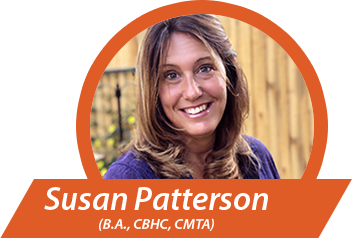
March 30, 2020 By Susan Patterson

No matter who you speak to, the pandemic is on everyone’s minds these days. And the question at hand, “how can I avoid coronavirus?” Well, beyond social distancing, frequent handwashing, and a disinfected home, the next most logical approach seems to be building a stronger immune system. Time is of the essence. So, while there’s currently no cure for coronavirus, researchers are exploring the links between lifestyle and stronger immune function. In the meantime, here are some healthy strategies that may help you build a stronger immune system fast.

You can’t turn your immune system on and off

Your immune system is a complex network of cells, molecules, tissues, and organs that lives throughout your entire body. It can’t be turned on and off. Its role is to protect your body from invaders like infection, disease, viruses, bacteria, and parasites. And it does a pretty awesome job doing this. But sometimes it can fail. Germs invade the body, making you sick. That’s why researchers are working hard to study the immune system and trying to find ways to make it work even better. And within the current climate, researchers need to do this quickly.

In the meantime, what can you do to build a stronger immune system? While science continues to discover the benefits of diet, exercise, and psychological stress factors on immunity, there are lifestyle changes you can make to build up your immune system and give you a fighting chance against disease, infection, and viruses.

Does getting sick build a stronger immune system?    

There is actually some truth to this question. When you get a virus, you can build immunity up for that particular strain. The problem is, there could be hundreds of different strains for one family of viruses. For instance, the coronavirus that emerged out of Wuhan, China, is the product of natural evolution, according to research published in the journal Nature Medicine.

Coronaviruses are, in fact, a large family of viruses that cause illnesses ranging from mild to severe. Coronavirus first showed up in China in 2003 as Severe Acute Respiratory Syndrome or (SARS). A second outbreak emerged in 2012 in Saudi Arabia as Middle East Respiratory Syndrome or (MERS). So, while you can still build up immunity to the two or three viruses, there are hundreds more that have not yet been encountered. Building a stronger immune system may not cure viruses like COVID-19 but it may help your body better defend itself. Here’s what you can do now.

Maintain a healthy weight

Easier said than done, right? Well, according to research, a little goes a long way. Losing just 10 pounds could correct a somewhat shaky immune system. Body fat, in general, but particularly abdominal fat, triggers the production of “pro-inflammatory” immune cells. These circulate in the blood and encourage inflammation. Want to lose 10 pounds fast? We’re not talking about starvation here. Here are a few simple steps to lose weight fast.

  1. Up your protein intake and eat fewer carbs. High protein diets can help reduce cravings and stop you from continuously thinking about your next meal by 60 percent.
  2. Remember, “protein, fat, and vegetables.” Load up on lean meat and low-carb veggies.
  3. Avoid processed (junk) food and eat whole food instead.
  4. Lower your calories by avoiding sugary sodas and drinks. Stick to three meals a day.
  5. Stay active with cardio exercises and try to do strength training at least three times per week.

Supplement with Turmeric

Turmeric (a bright yellow spice often used in Asian cuisine) has been touted as a wonder spice that helps ward off inflammation. Research from The University of Texas M. D. Anderson Cancer Center found that curcumin, the active compound of turmeric may be used for immune disorders due to its anti-inflammatory effects. The problem is, a dash of turmeric in a recipe every once in a while won’t allow you to reap anti-inflammatory benefits. Instead, the Arthritis Foundation recommends supplementing with 400 to 600 milligrams of turmeric, three times per day. If you prefer spice form, take up to three grams of the root powder per day to boost your immunity and fight inflammation.

Stop smoking

This is a no brainer, but it bears mentioning. Studies have found that tobacco smoke, whether firsthand or secondhand, contributes to the development of many diseases. Smoking leads to pro-inflammatory responses and dysfunction of immune cells. What does that mean in terms of fighting off viruses? More and more evidence suggests that smoking weakens the immune system, making it extremely hard for your immune system to fight off disease, infections, and viruses.

Get enough sleep

If you are deprived or lack quality sleep, you’re more likely to get sick when exposed to a virus like coronavirus. Not enough sleep negatively affects your immune system, says the Mayo Clinic. That’s not all; not enough sleep can also affect how fast your body recovers because when you sleep, your immune system releases proteins called cytokines.

Cytokines promote sleep and also decrease in production when an infection, inflammation, or stress is present. That means that while you were up all night partying, your production of protective cytokines decreased, leaving you more vulnerable to viruses. Plus, antibodies and cells that help fight the virus are also reduced.

The hard truth is, for now, there is no cure for COVID-19. But while we wait for modern medicine to catch up, why not give your immune system a fighting chance by eating healthier and making a few positive lifestyle changes. Before you know it, you’ll be on the road to building a stronger immune system, and in turn, a stronger, healthier you.

Disclaimer: “None of this has been proven to prevent, treat or remedy COVID-19, these are just things to consider.”

-Susan Patterson

Why Oatmeal is the #1 Best Breakfast Food

December 23, 2019 By Susan Patterson

Finding the perfect breakfast food that will help wake you up and keep you full until lunch can be incredibly challenging. Plus, it can be hard to find something that you won’t get bored of after a few weeks. Though smoothies can often fill this purpose, chilly mornings call for something a little more warming to tempt you out of bed and help motivate you to take on the day. A famous, popular, totally customizable, but often forgotten breakfast may be the answer for all of your winter morning needs. Read on to find out why oatmeal is the ultimate breakfast food. 

[Read more…]

7 Kitchen Hacks to Create Healthy and Quick Meals

July 22, 2019 By Susan Patterson

I get it; your schedule is busy. You work, you exercise, you run errands, you spend time with your family and friends. Taking the time to eat can be hard. Taking the time to eat well is even harder. Or is it? In fact, cooking and preparing healthy, whole foods can often be just as quick as ordering takeout or popping in a frozen pizza…without the dangerous ramifications. If you’ve always wanted to start cooking healthy food at home, check out this article to help you create delicious meals even on the busiest nights. 

[Read more…]

4 Things Every Woman Over 50 Must Do To Be Healthy

March 12, 2018 By Susan Patterson

Once you’ve blown out the candles at your 50th birthday, you’re pretty much guaranteed to be taking a ride on the hormonal roller coaster. While you’re likely more self-assured and ready to live life to the fullest, this can really throw you off track if it’s not managed the right way.

Typically perimenopause begins around 40, followed by a decade of fluctuations in estrogen and progesterone which occurs until eventually, your menstrual periods halt altogether. Before and during this time it’s more important than ever to manage your health as the hormone shifts affect nearly every system in your body.

When you have an imbalance of progesterone and estrogen, just some of the symptoms that can occur include fatigue, weight gain, brain fog, hot flashes, diminished sex drive, and the list goes on and on. There are also some more serious problems that can develop, as you have a higher risk of heart disease, colorectal cancer, and a weaker immune system. You may also experience some decreased brain functioning, especially related to memory and your ability to recall places, events and so on.

So what should you do to stay healthy and enjoy the highest quality of life possible? Read on.

Schedule in Regular Exercise

While you might be busier than ever, it’s even more important now to schedule in regular exercise. Physical activity isn’t just to help prevent weight gain or to lose stubborn pounds. It can help to battle inflammation, make your bones stronger, balance hormones and help you sleep better too. It’s also great for your brain, in fact, experts say that the amount of exercise you get is one of the best predictors of how well your brain works as you get older. In fact, studies have found that the more active you are when you’re older, the more dramatically your risk of developing cognitive decline is reduced.

You can do just about anything, no matter what you do, just move. The more enjoyable it is to you, the more likely you are to keep it up. So walk, hike, run, bike, swim, garden, dance, spin or jump rope, it all counts. It doesn’t have to be done in long periods either, you can squeeze it in in short bursts too.

Get Plenty of Rest

When you don’t get enough sleep it can affect just about everything in your body. People who get 7 to 8 hours of quality rest each night have been found to live the longest in numerous studies focused on sleep and aging. In fact, some, including research out of UC Berkeley, have found that deep sleep in our older years may be considered a “fountain of youth.”

When you don’t get sufficient sleep, the body interprets that as stress and triggers hormones that can cause weight gain, weaken immunity and make you more likely to get sick. With proper rest, you’ll be in a better mood, the brain will have a greater ability to store memories, and it can also promote a higher level of human growth hormone which has a role in building muscle and bone mass – all especially important as we age.

If you struggle to fall asleep or wake up frequently during the night there are a number of things you can do to help encourage longer, better rest such as keeping your room cooler, and turning all lights off, even the little lights from an LED display can prevent you from dozing off as they stimulate the brain. If noise is a problem, use earplugs too.

To help you fall asleep faster, sip an herbal tea like chamomile just before bedtime, enjoy a warm bath, perform gentle stretching exercises or deep breathing, and/or use essential oils in a diffuser or on a tissue placed under your pillow. Lavender, clary sage, chamomile, and sandalwood are some of the best essential oils to use for this purpose.

Follow a Healthy Diet

There is no one diet fits all, as everyone is different, some do better on vegan or vegetarian diets, while others do better on a Paleo or another type of diet. The main thing is that you eat as many whole foods as possible while avoiding the “junk,” many sugary and/or highly processed foods like fast food, potato chips, lunch meats, pastries, crackers, frozen meals and so on. While you don’t have to live on kale, the more organic vegetables, in a variety of colors, you eat, the better.

Don’t cut out all fat either, you need healthy fats like coconut and olive oil, as well as protein – foods like wild-caught salmon are ideal. For many, eliminating sugar and gluten can make a big difference, especially after 50. It helps to reduce inflammation, eliminate bloating, prevent weight gain and even address fatigue. While eating should be enjoyable when you think of your food as “medicine” you’ll fuel your mind and body with what it needs.

Take Supplements

While you should get as many nutrients as you can by eating a wide variety of healthy foods, you may want to cover your bases by taking a multivitamin that includes iron, zinc, folic acid, beta-carotene, vitamins B6 and B12, as well as C, D, and E. There are a number of herbs that can help keep hormones more balanced naturally too.

Black cohosh is one of the best-studied and most well-known herbs when it comes to treating perimenopause and menopause symptoms as it’s believed to support and help maintain proper hormonal levels. Many women have reported it to be highly effective and the University of Maryland Medical Center notes that a number of studies have confirmed this as well. Research from Germany showed that the herb helped to improve both psychological and physical symptoms like night sweats and hot flashes, anxiety and vaginal dryness.

A 2007 study of 120 women suffering from menopausal symptoms revealed that black cohosh was even more effective at relieving night sweats and hot flashes than the antidepressant Prozac. Other herbs to consider include maca root, sea buckthorn, and evening primrose oil. The maca plant grows high in the Peruvian Andes and has long been used by the indigenous people. The women who live in this region and consume it regularly are said to experience very few menopausal symptoms as it’s believed to aid in balancing hormones as well as improving energy levels. While there are only limited studies on it, the majority of women who’ve used it swear by it for relief.

-Susan Patterson

Recent Articles

  • Use 1 Drop Of This Oil To Improve Vision June 22, 2026
  • Why I Stopped Showering Every Day June 22, 2026
  • This Anti Aging Eye Cream With Coconut Oil Really Works June 21, 2026
  • COVID-19 Vaccine Update: The Truth About Omicron (7 Things You Need To Know Before Getting Vaccinated) June 20, 2026
  • COVID 19 Vaccine Update (9+ Things You Should Know Before Getting Vaccinated) June 19, 2026
  • Start Eating These 7 Foods Now to Build Your Winter Immunity June 18, 2026
  • 7 Things That Happen to Your Body if You Stop Having Sex June 17, 2026
  • Is Dead Vagina Syndrome Real? Plus, 4 Ways To Boost Your Libido June 17, 2026
  • About
  • Terms of Service
  • Privacy Policy
  • Contact Us

© Tropical Health. All rights reserved.

Subject:
Message:
Ajax loader
Manage Cookie Consent
We use cookies to optimize our website and our service.
Functional cookies Always active
The technical storage or access is strictly necessary for the legitimate purpose of enabling the use of a specific service explicitly requested by the subscriber or user, or for the sole purpose of carrying out the transmission of a communication over an electronic communications network.
Preferences
The technical storage or access is necessary for the legitimate purpose of storing preferences that are not requested by the subscriber or user.
Statistics
The technical storage or access that is used exclusively for statistical purposes. The technical storage or access that is used exclusively for anonymous statistical purposes. Without a subpoena, voluntary compliance on the part of your Internet Service Provider, or additional records from a third party, information stored or retrieved for this purpose alone cannot usually be used to identify you.
Marketing
The technical storage or access is required to create user profiles to send advertising, or to track the user on a website or across several websites for similar marketing purposes.
  • Manage options
  • Manage services
  • Manage {vendor_count} vendors
  • Read more about these purposes
View preferences
  • {title}
  • {title}
  • {title}
Manage Cookie Consent
We use cookies to optimize our website and our service.
Functional cookies Always active
The technical storage or access is strictly necessary for the legitimate purpose of enabling the use of a specific service explicitly requested by the subscriber or user, or for the sole purpose of carrying out the transmission of a communication over an electronic communications network.
Preferences
The technical storage or access is necessary for the legitimate purpose of storing preferences that are not requested by the subscriber or user.
Statistics
The technical storage or access that is used exclusively for statistical purposes. The technical storage or access that is used exclusively for anonymous statistical purposes. Without a subpoena, voluntary compliance on the part of your Internet Service Provider, or additional records from a third party, information stored or retrieved for this purpose alone cannot usually be used to identify you.
Marketing
The technical storage or access is required to create user profiles to send advertising, or to track the user on a website or across several websites for similar marketing purposes.
  • Manage options
  • Manage services
  • Manage {vendor_count} vendors
  • Read more about these purposes
View preferences
  • {title}
  • {title}
  • {title}